
30 results
-
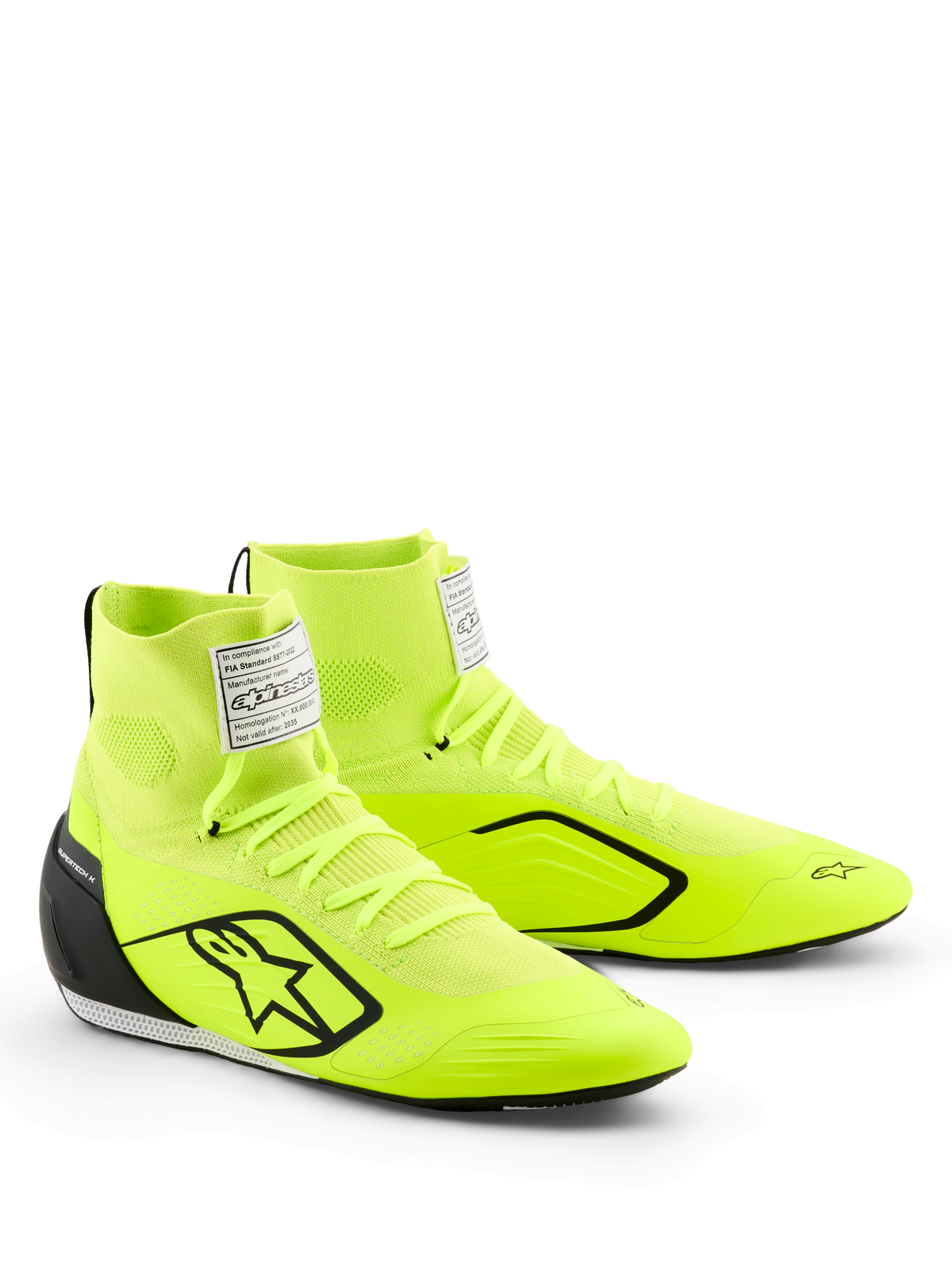
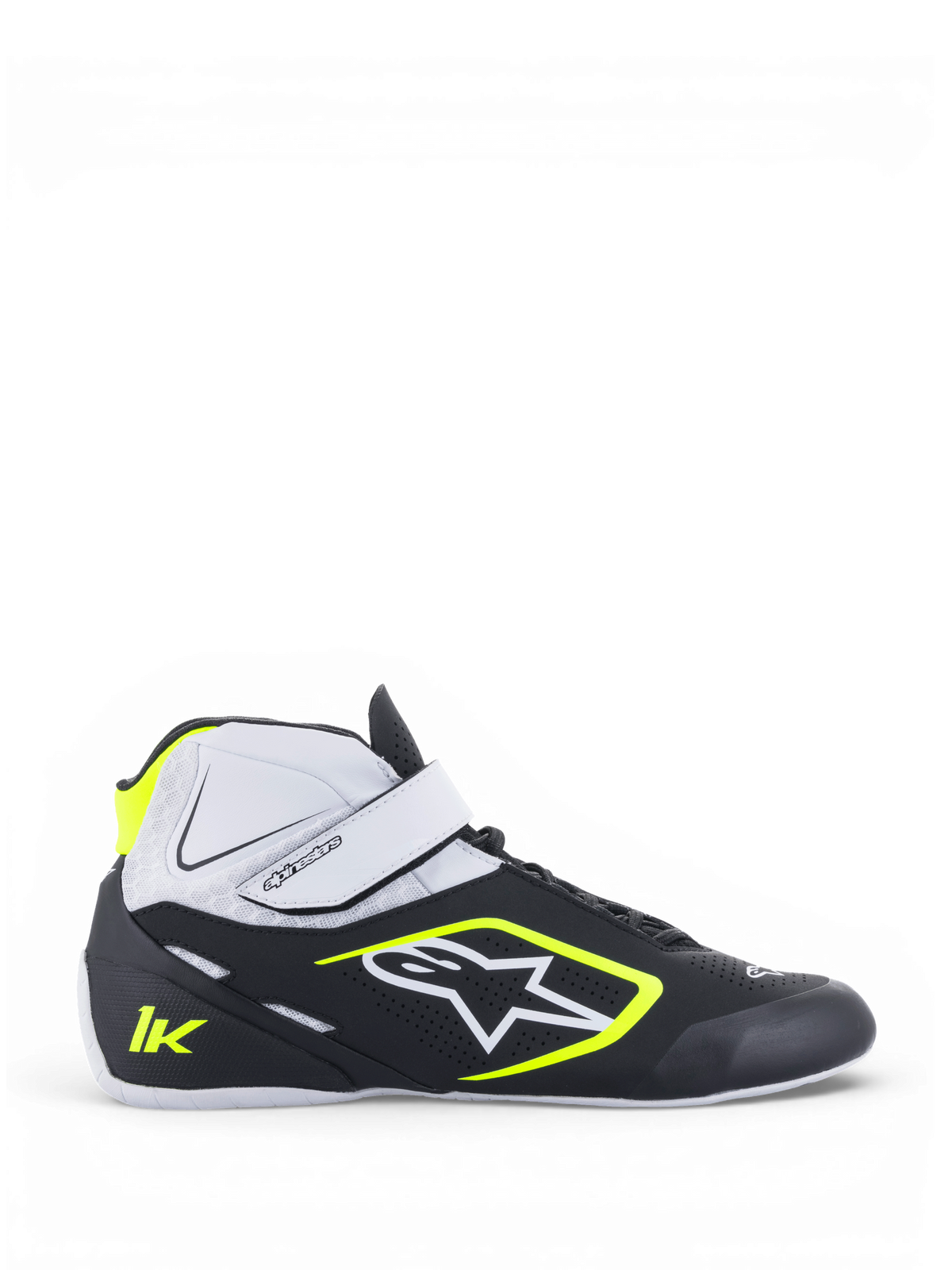
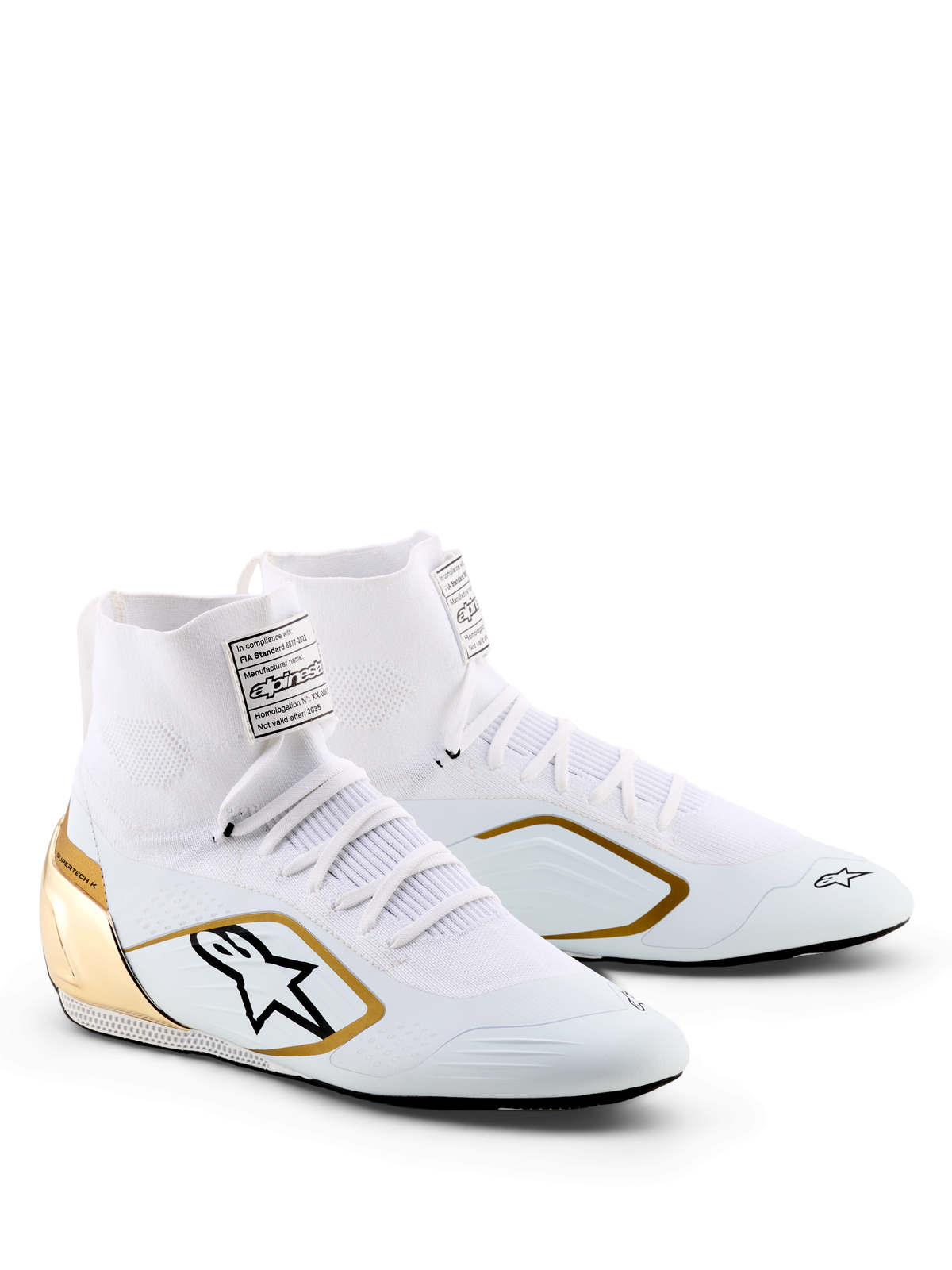
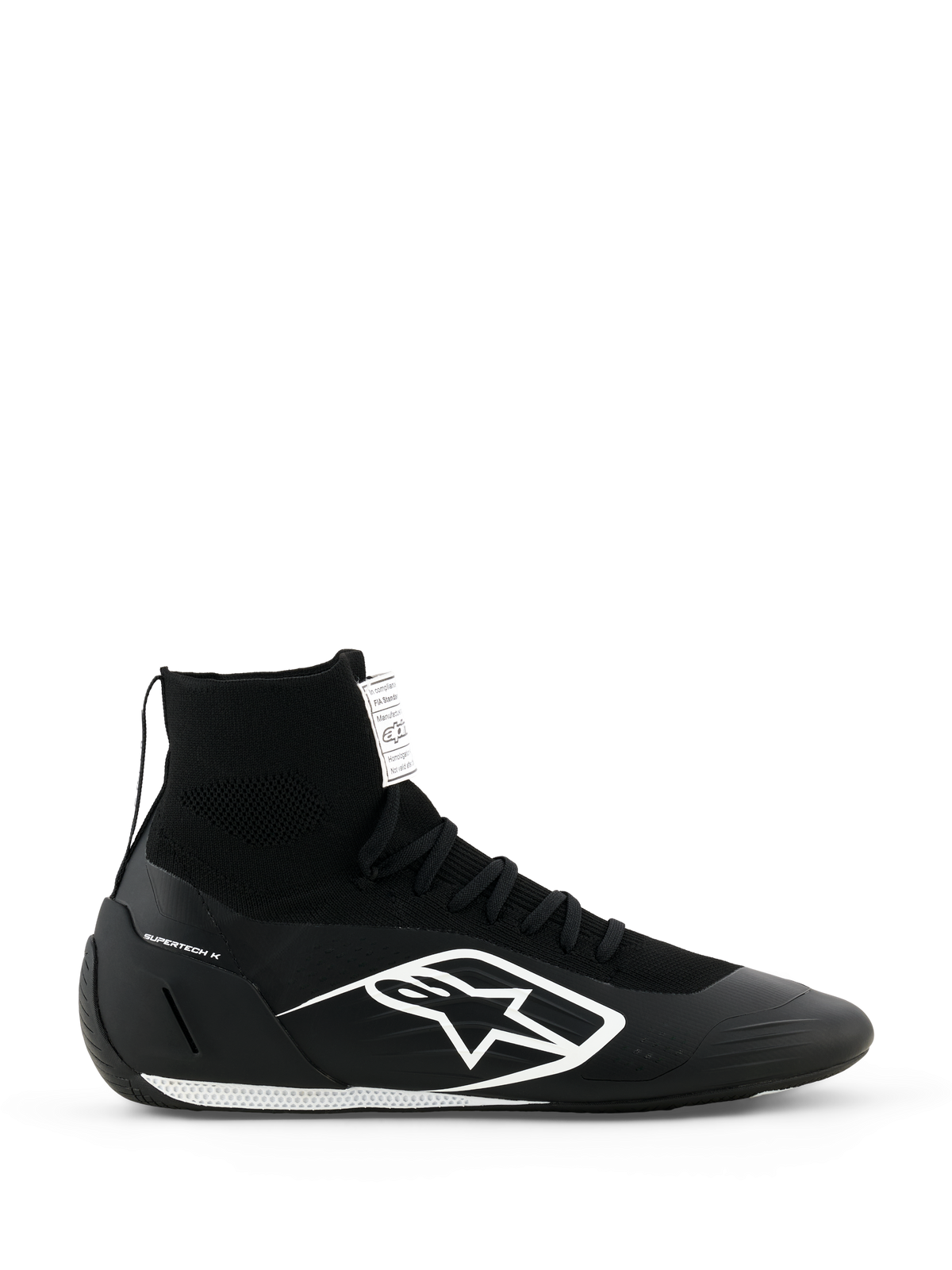
Supertech K Shoes - FIA -
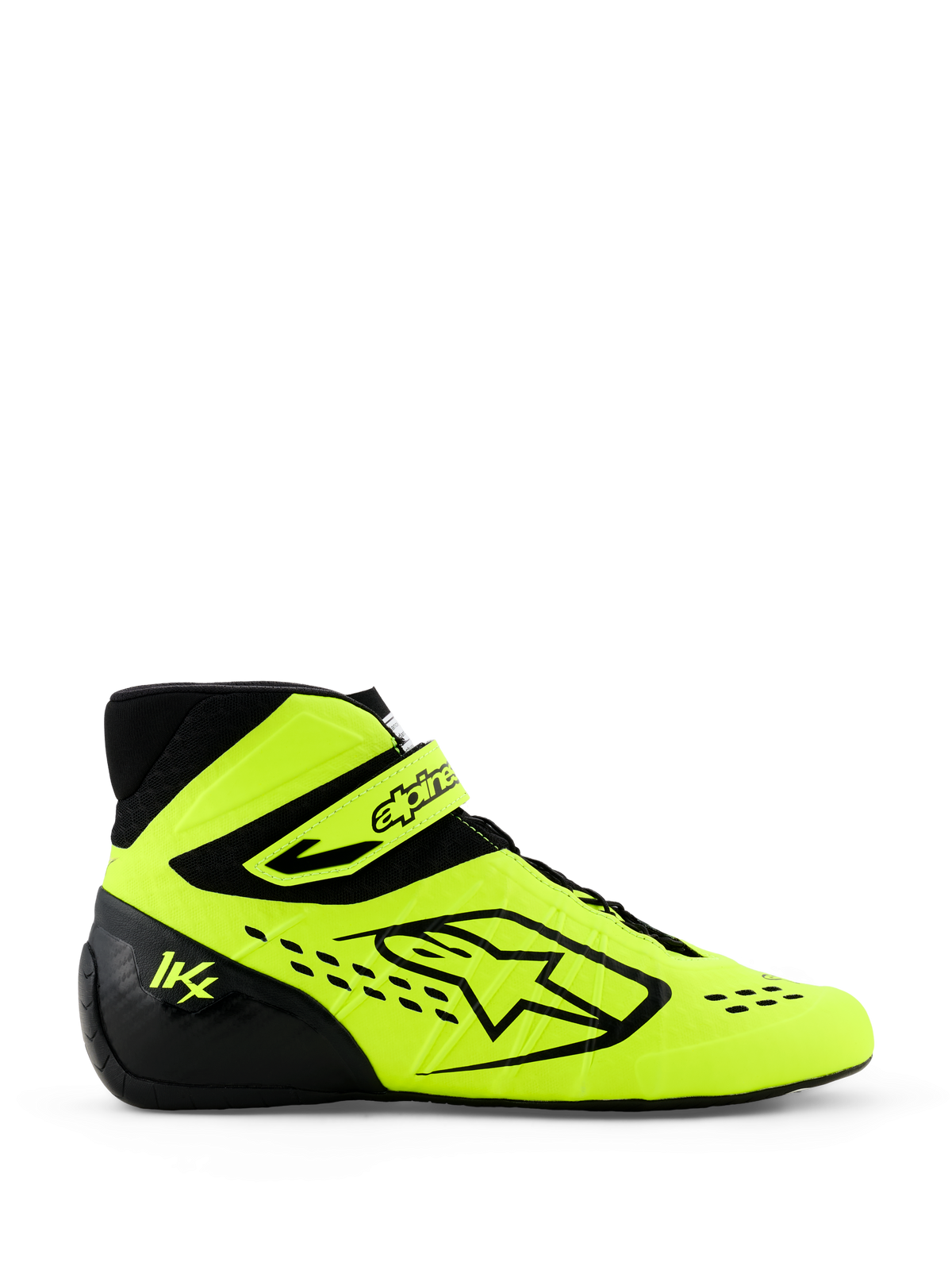
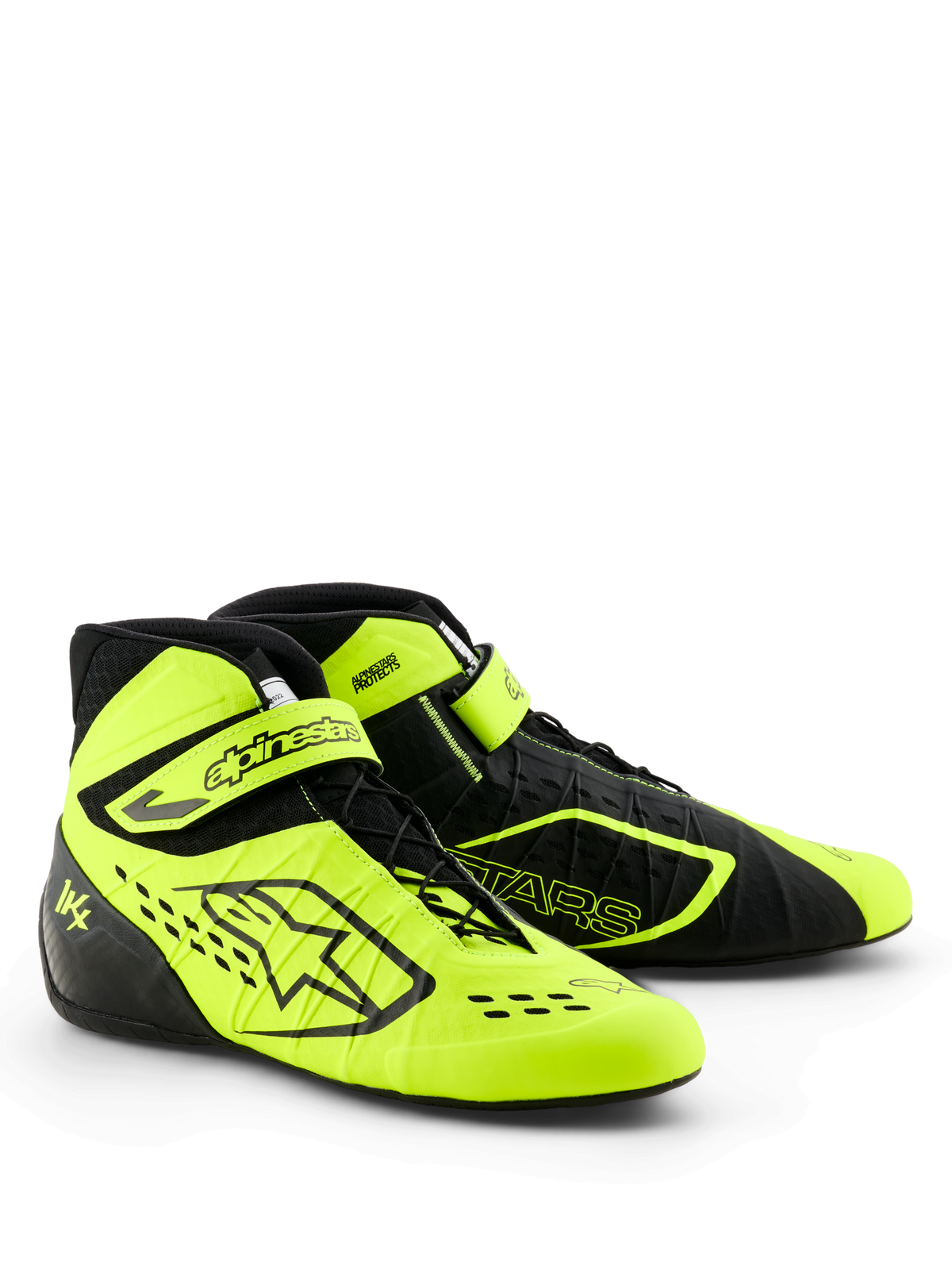
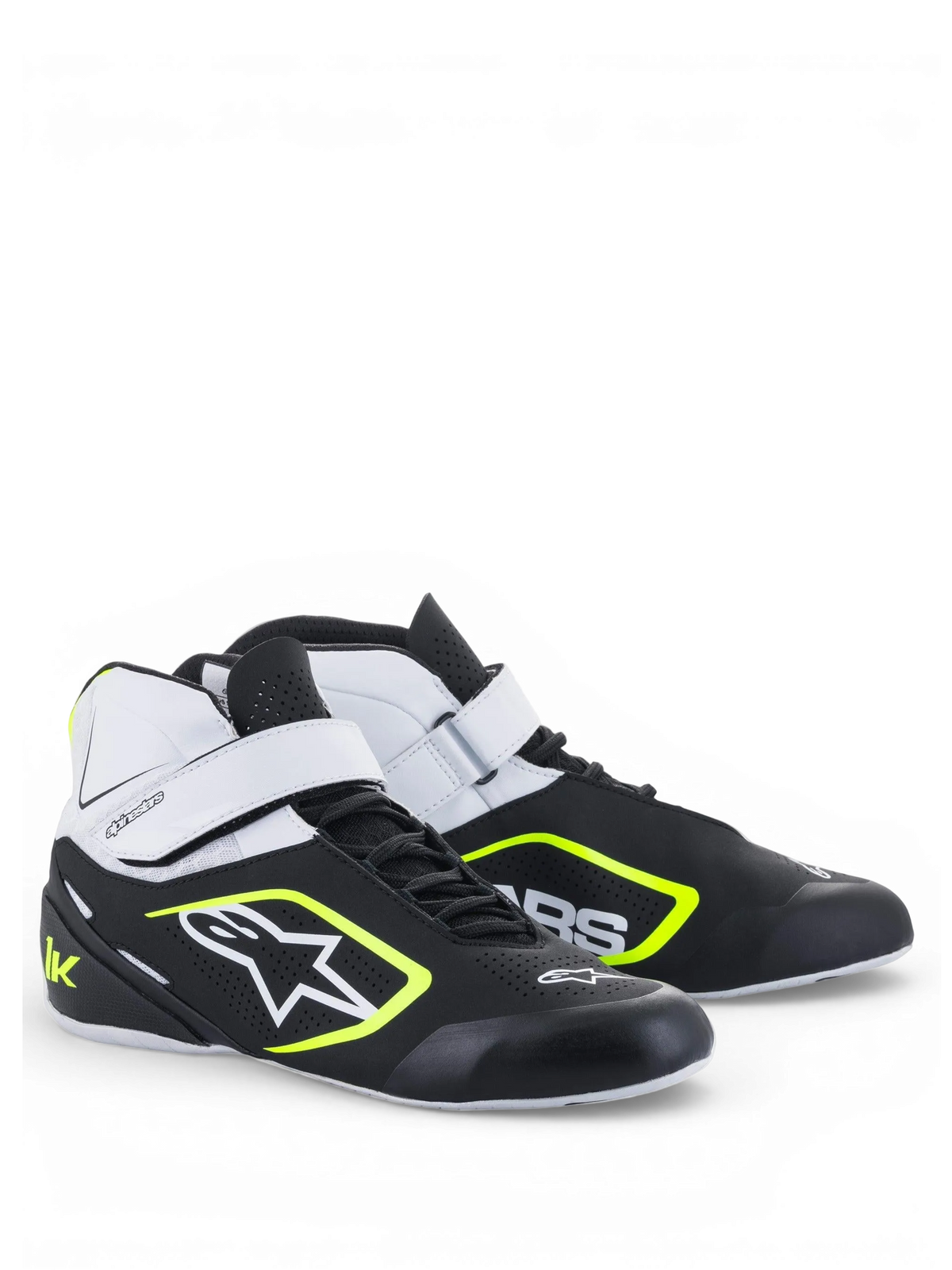
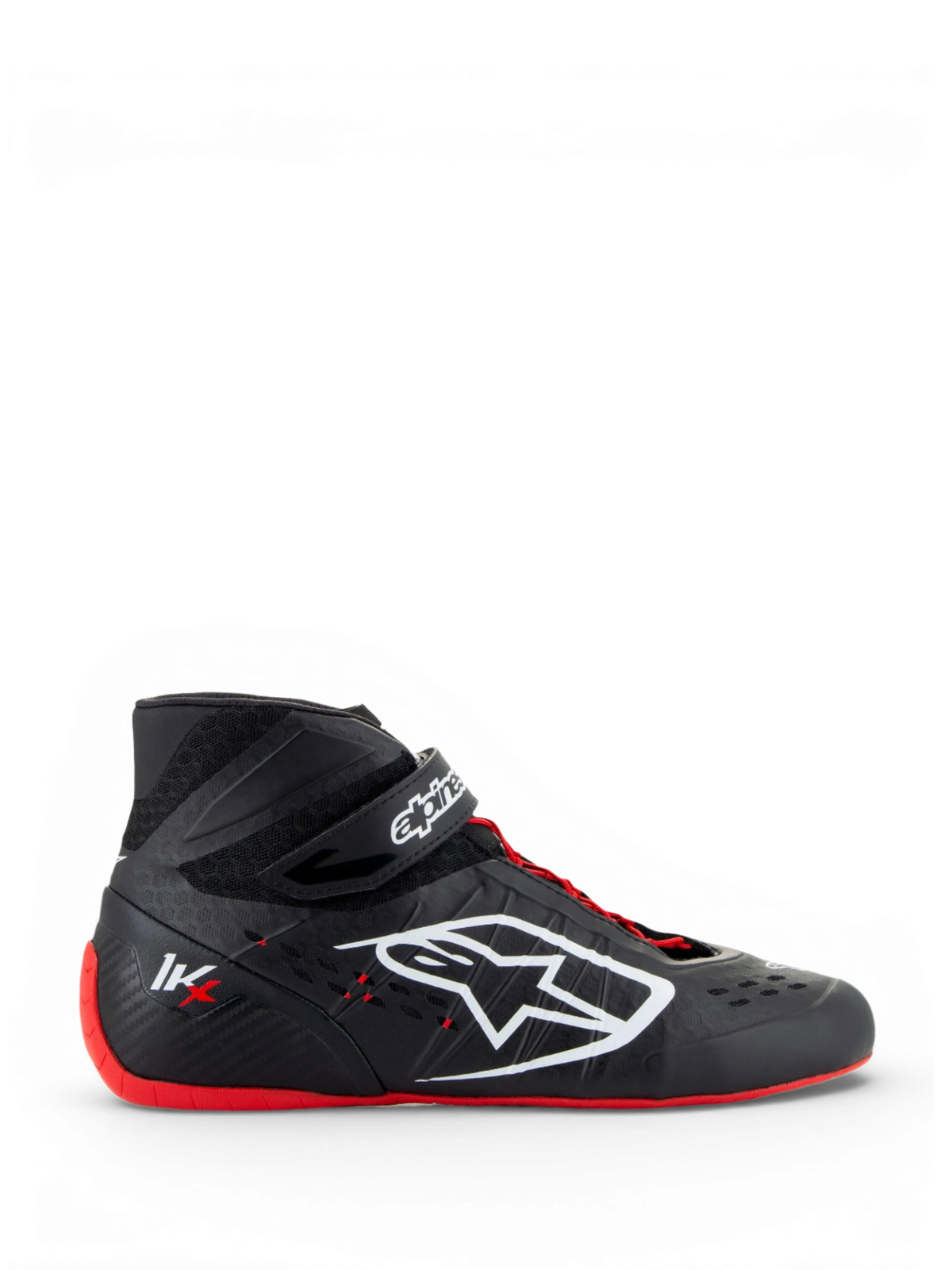
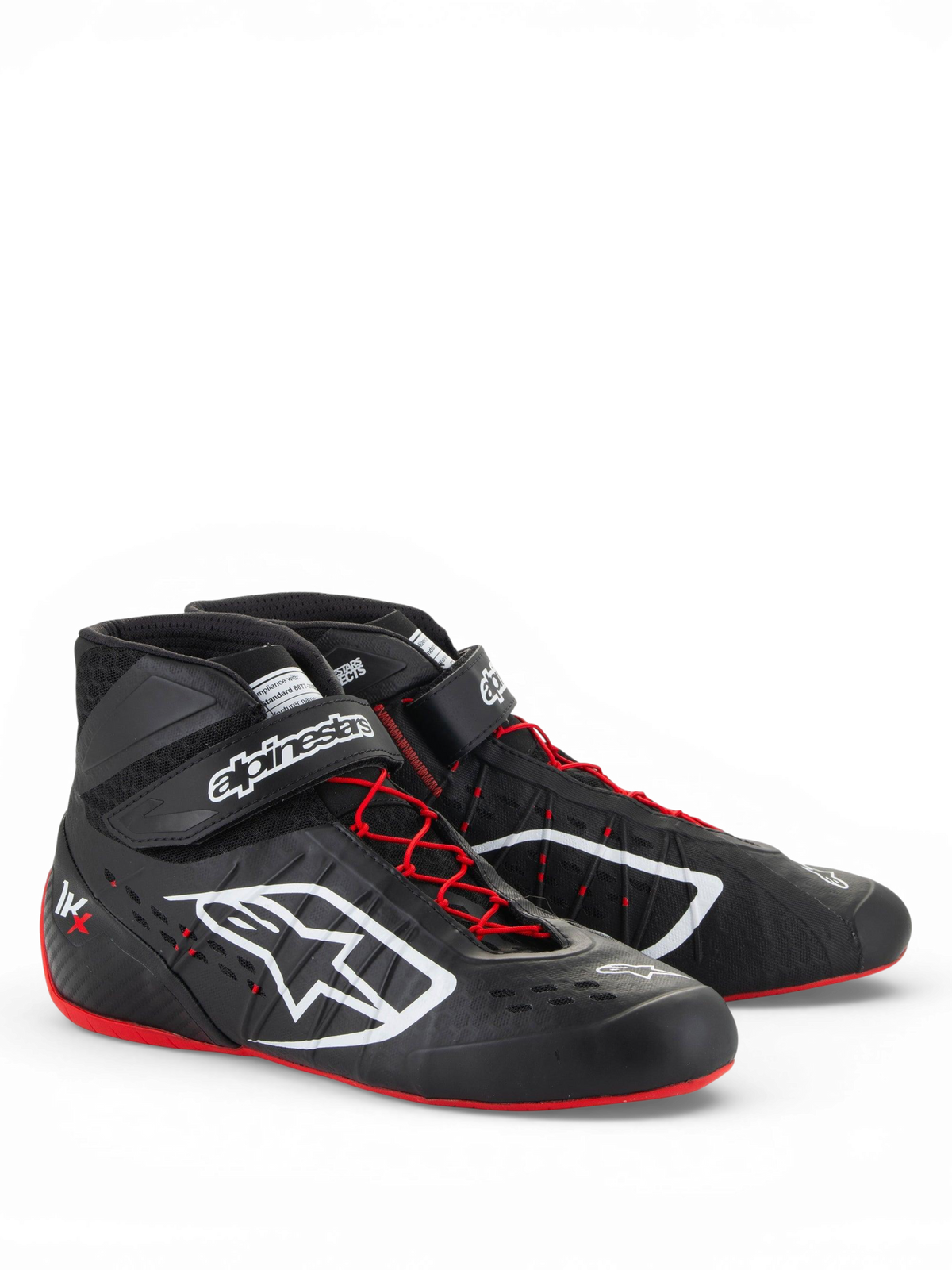
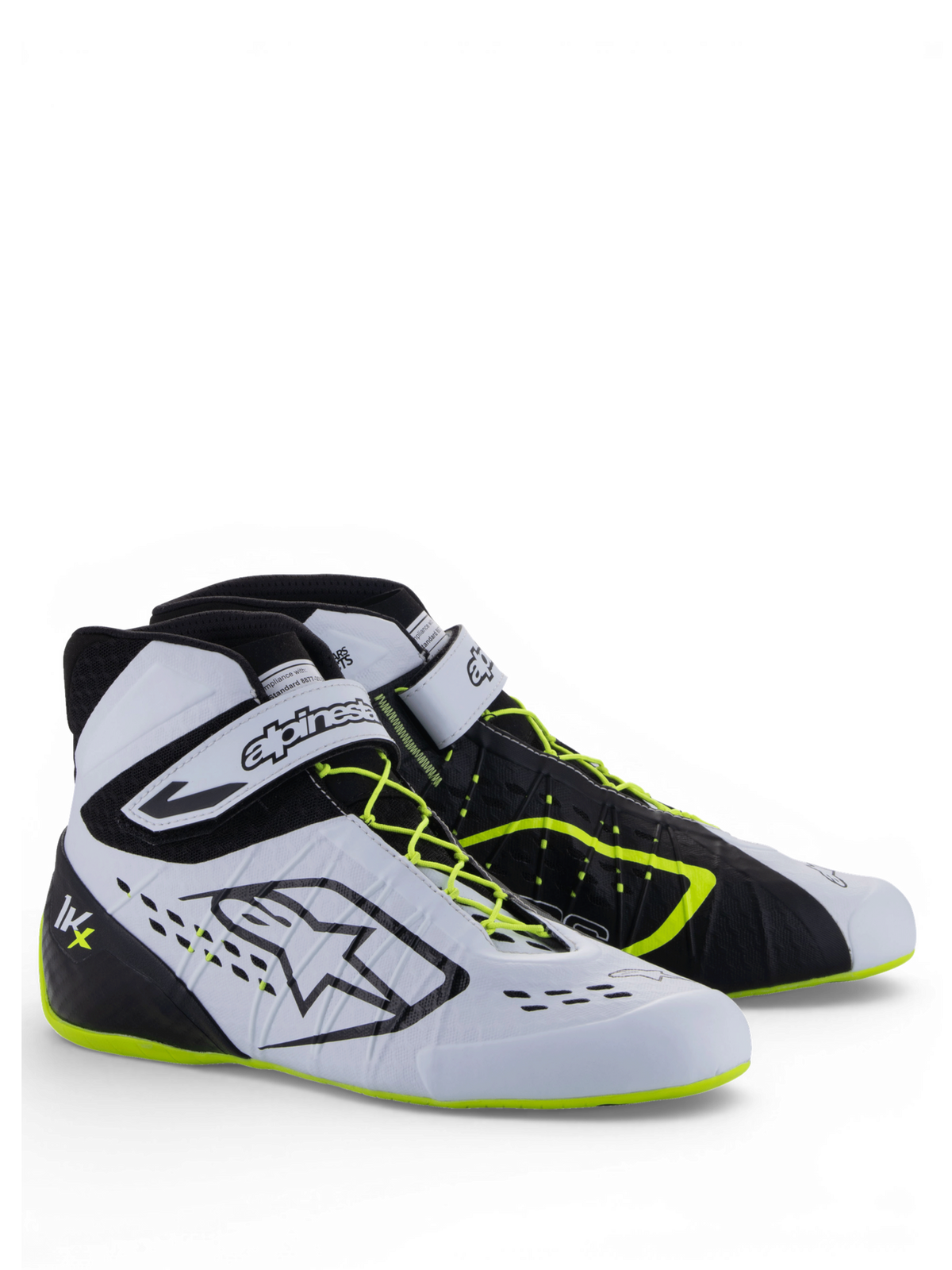
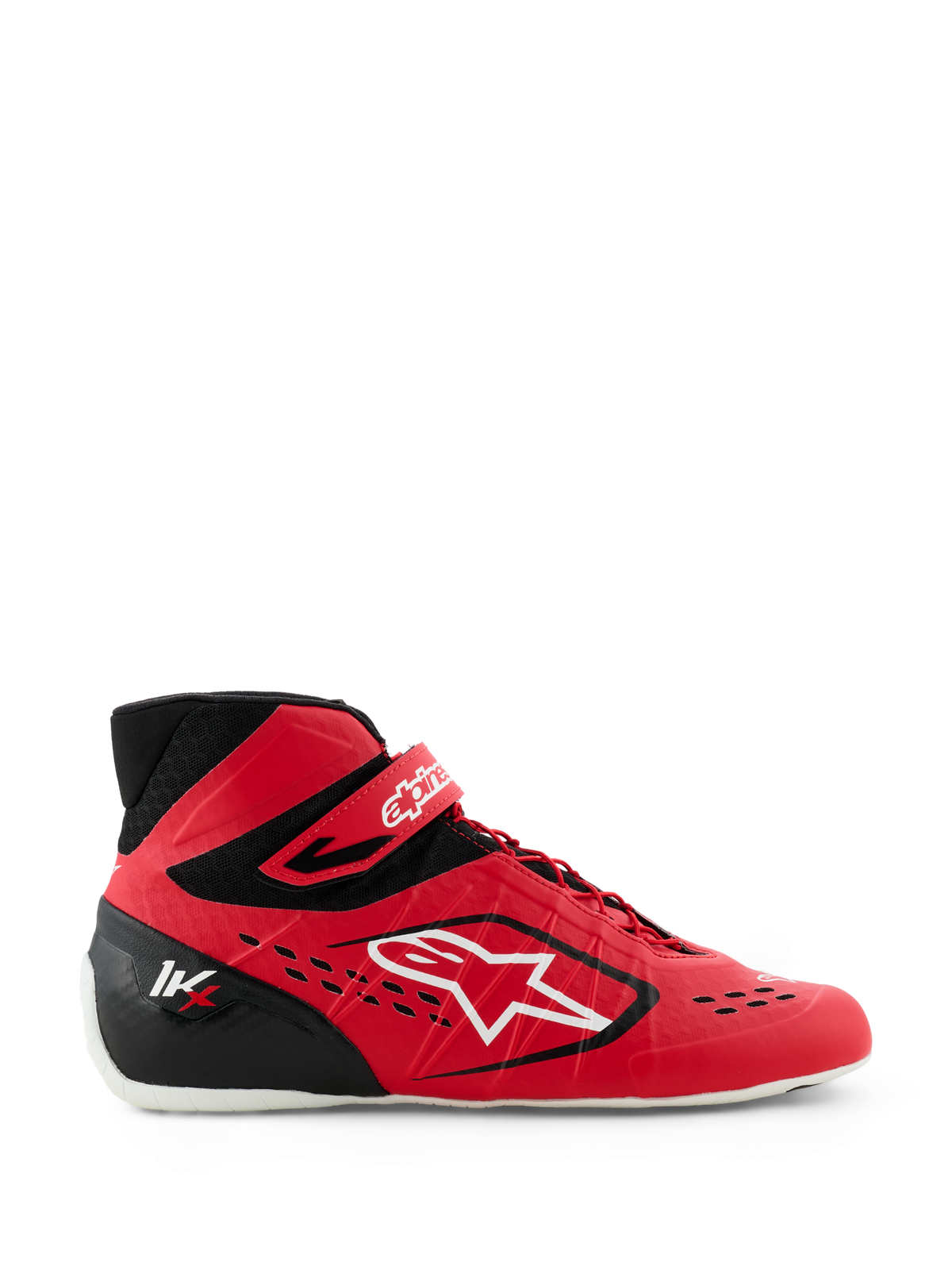
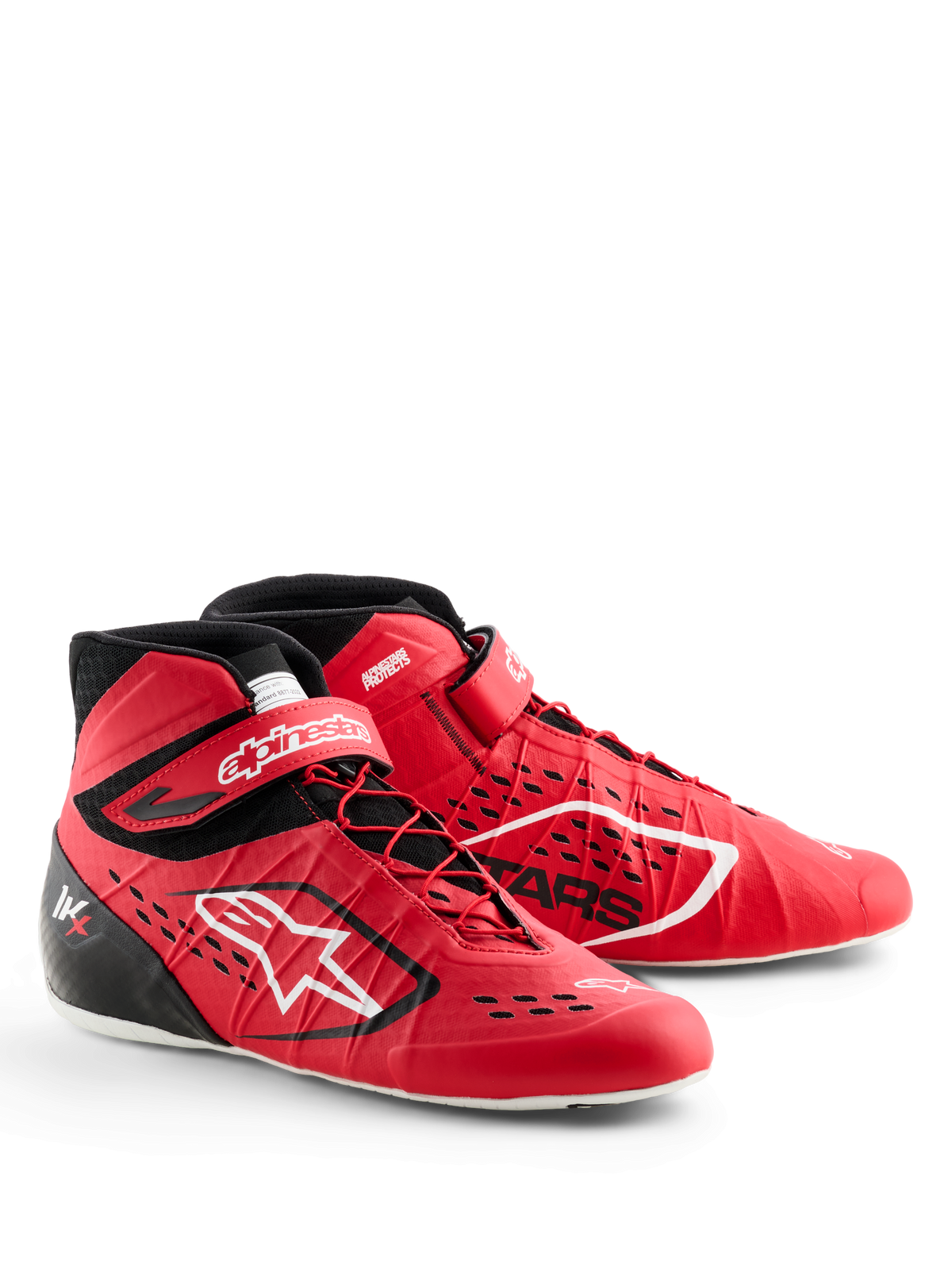
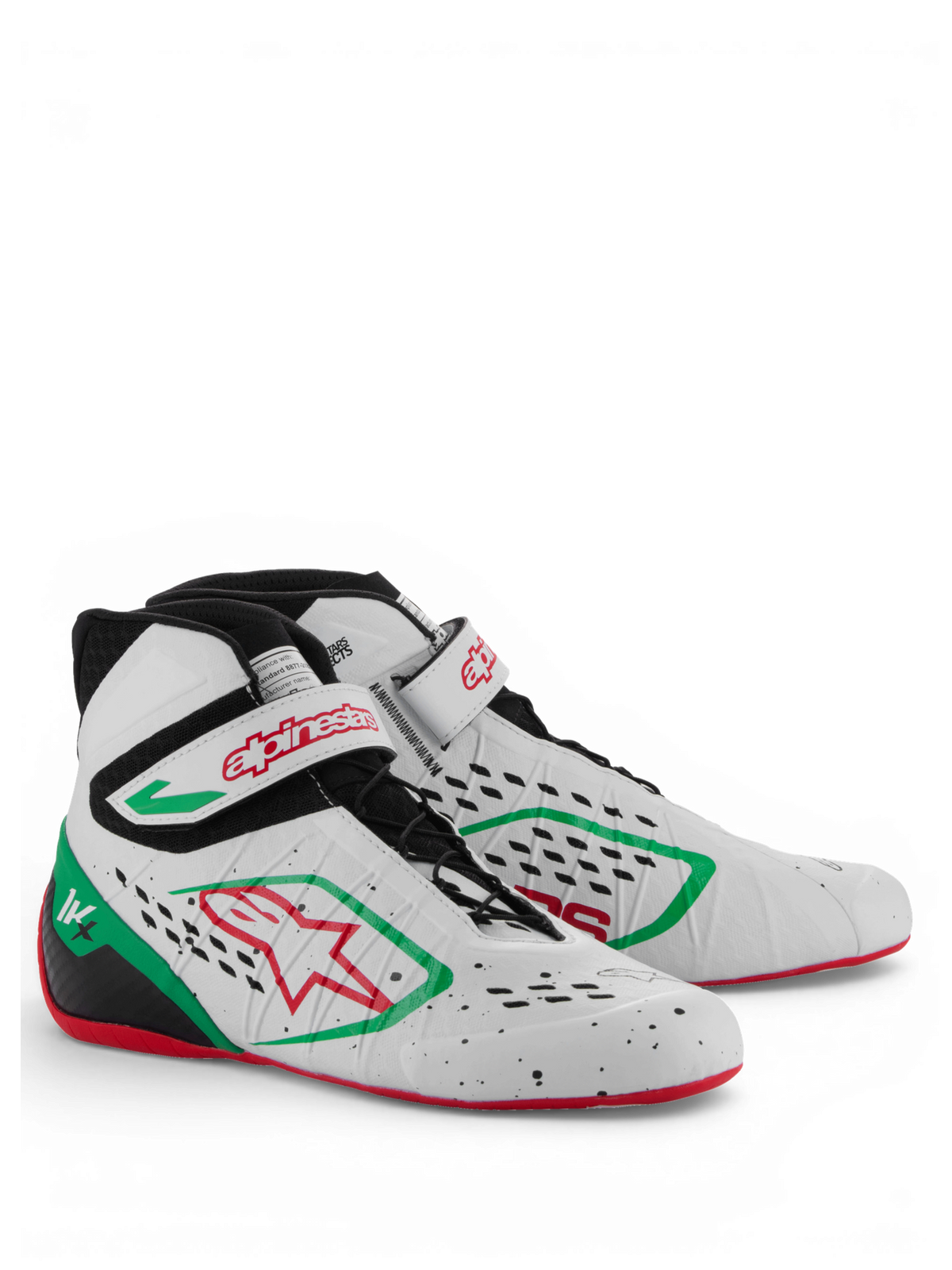
Tech-1 KX V3 Shoes - FIA -
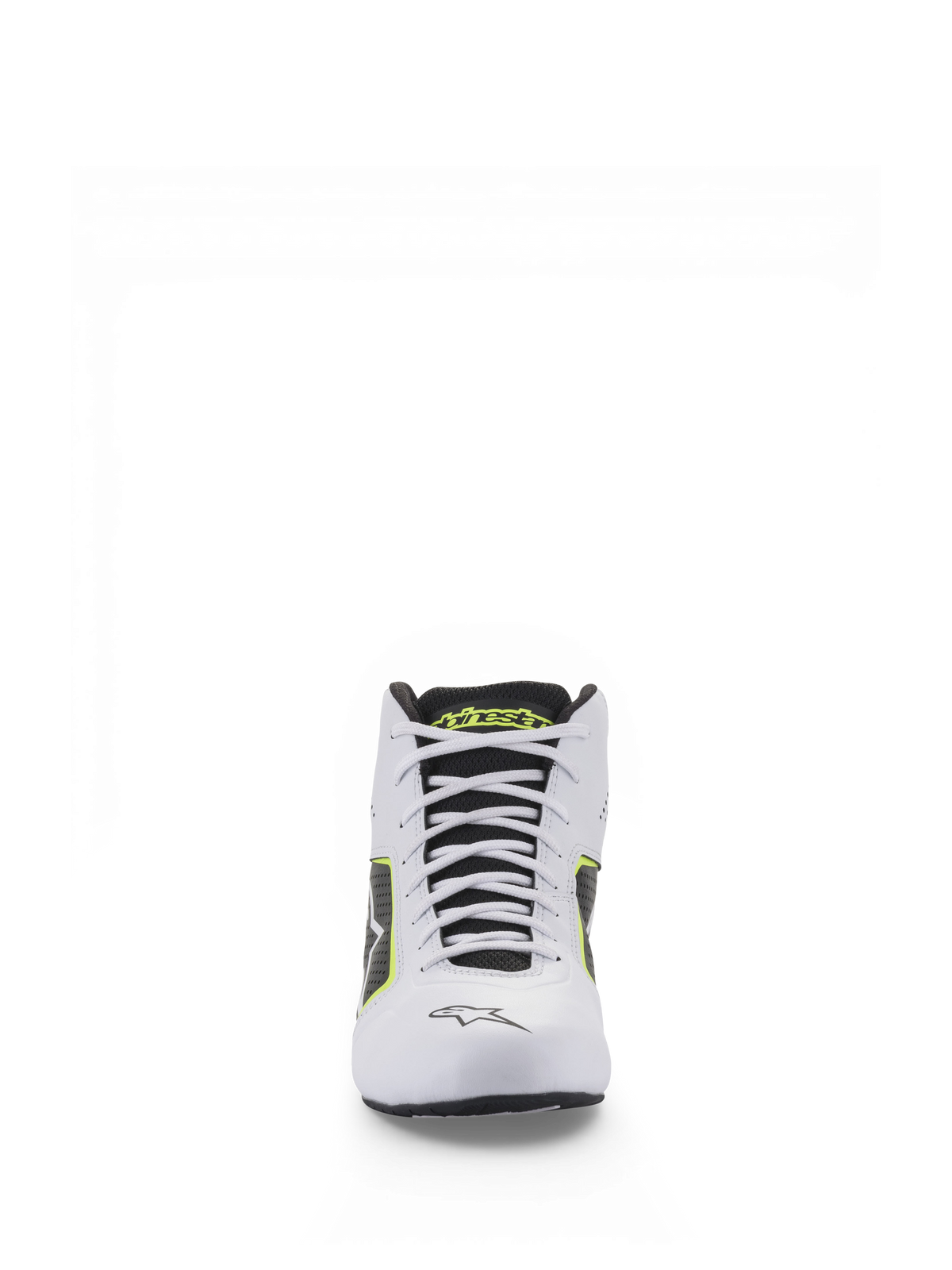
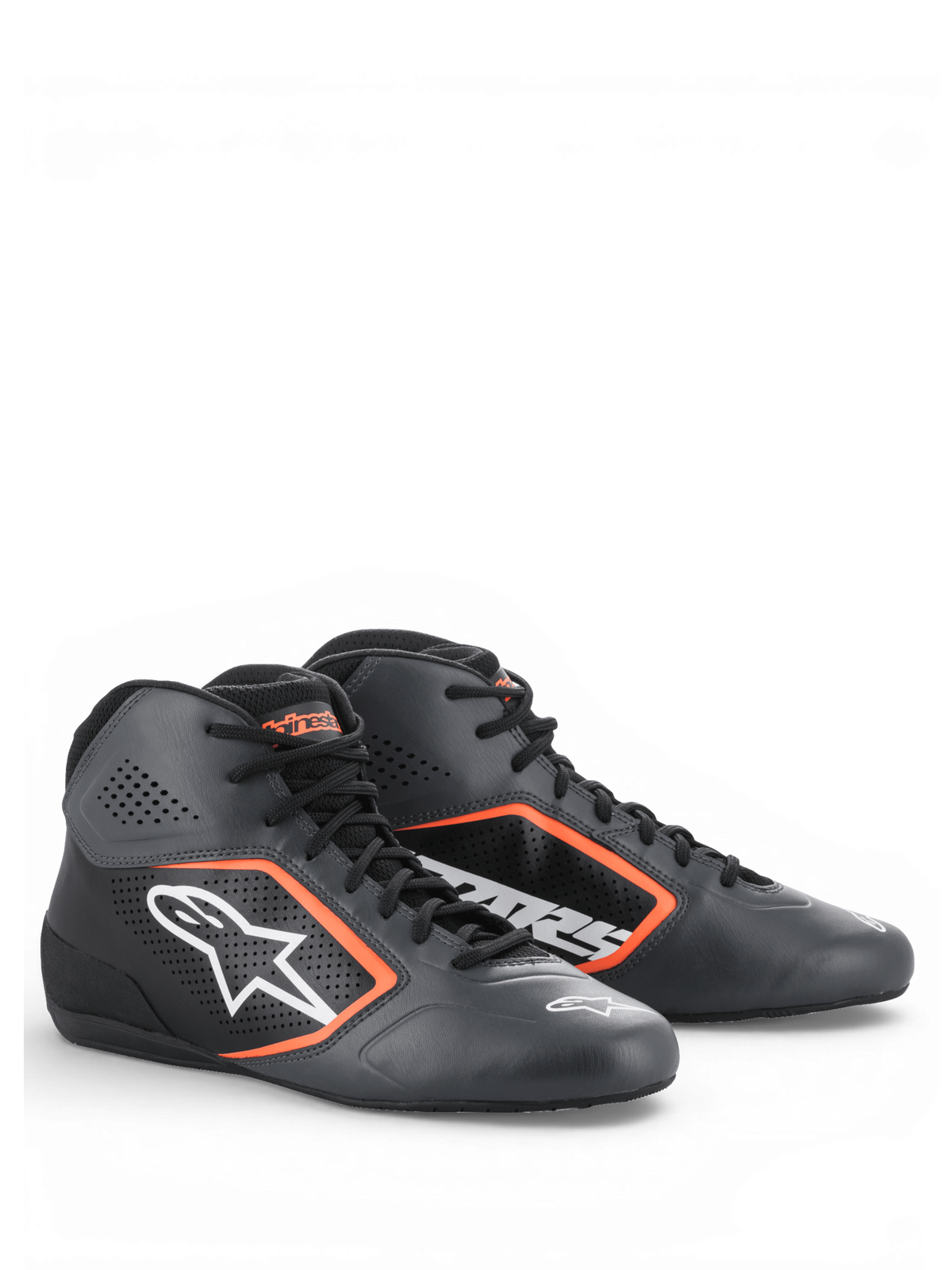
Tech-1 K Start V2 Shoes -
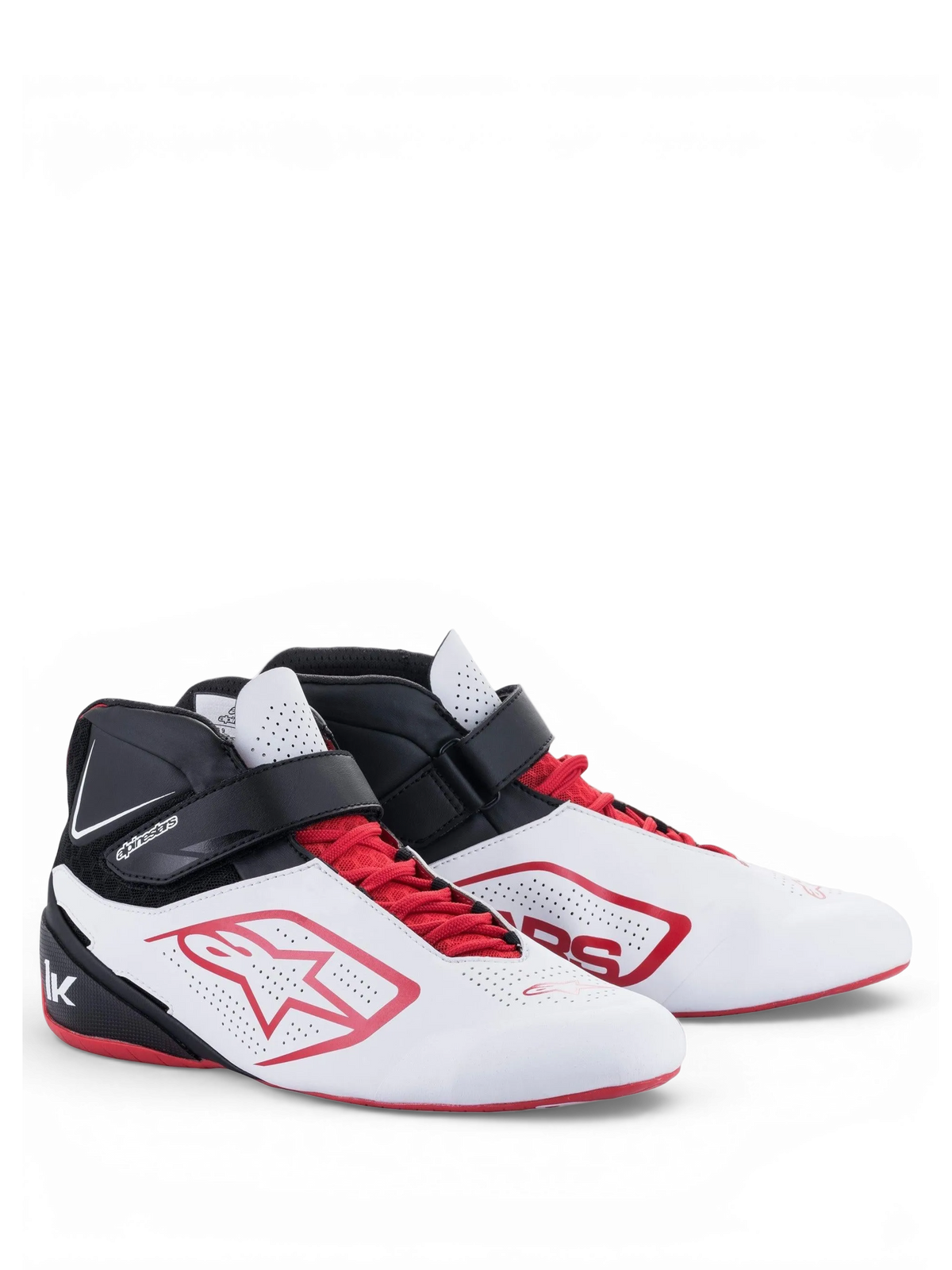
Tech-1 K V2 Shoes -
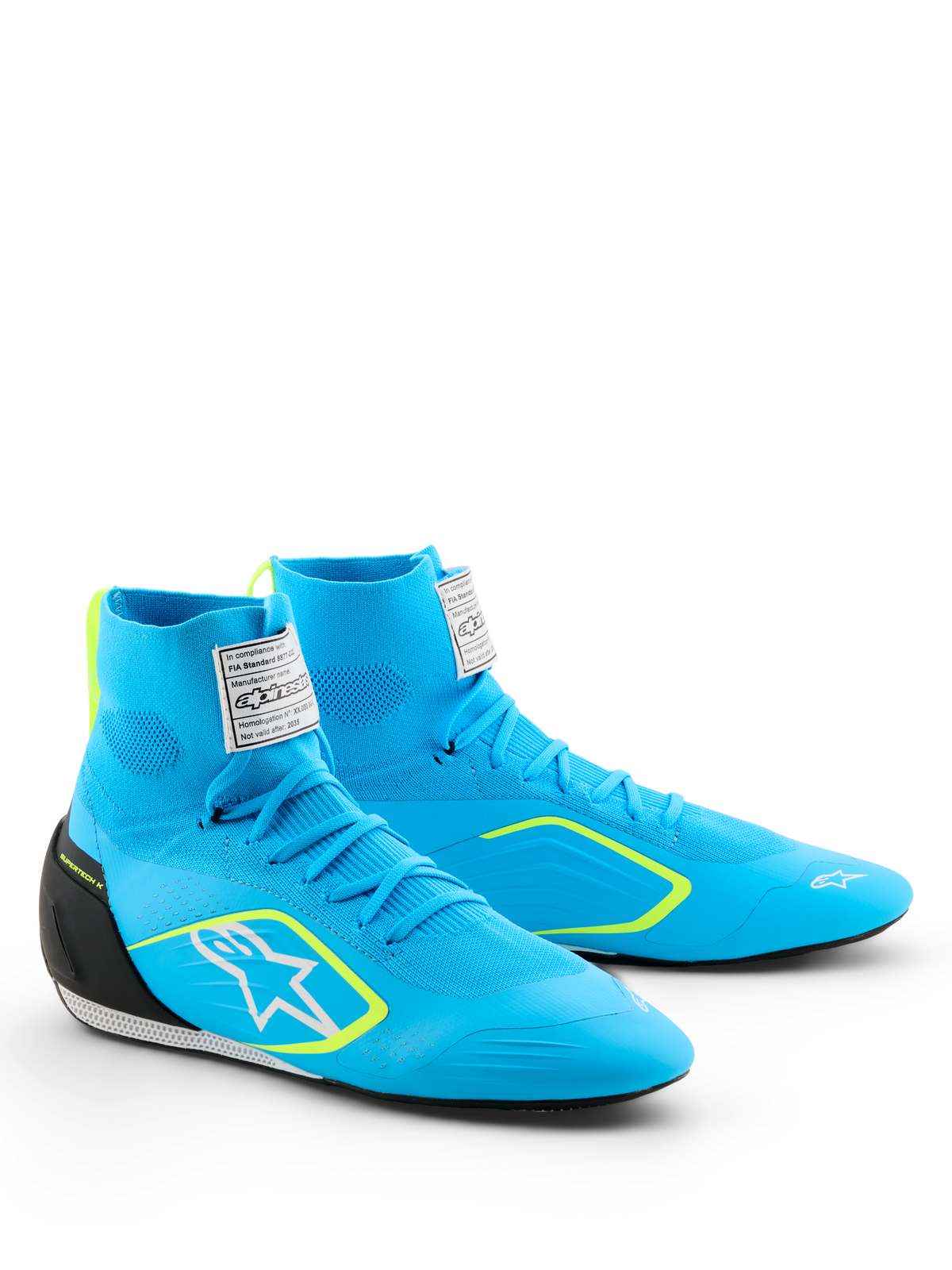
Supertech K Shoes - FIA -
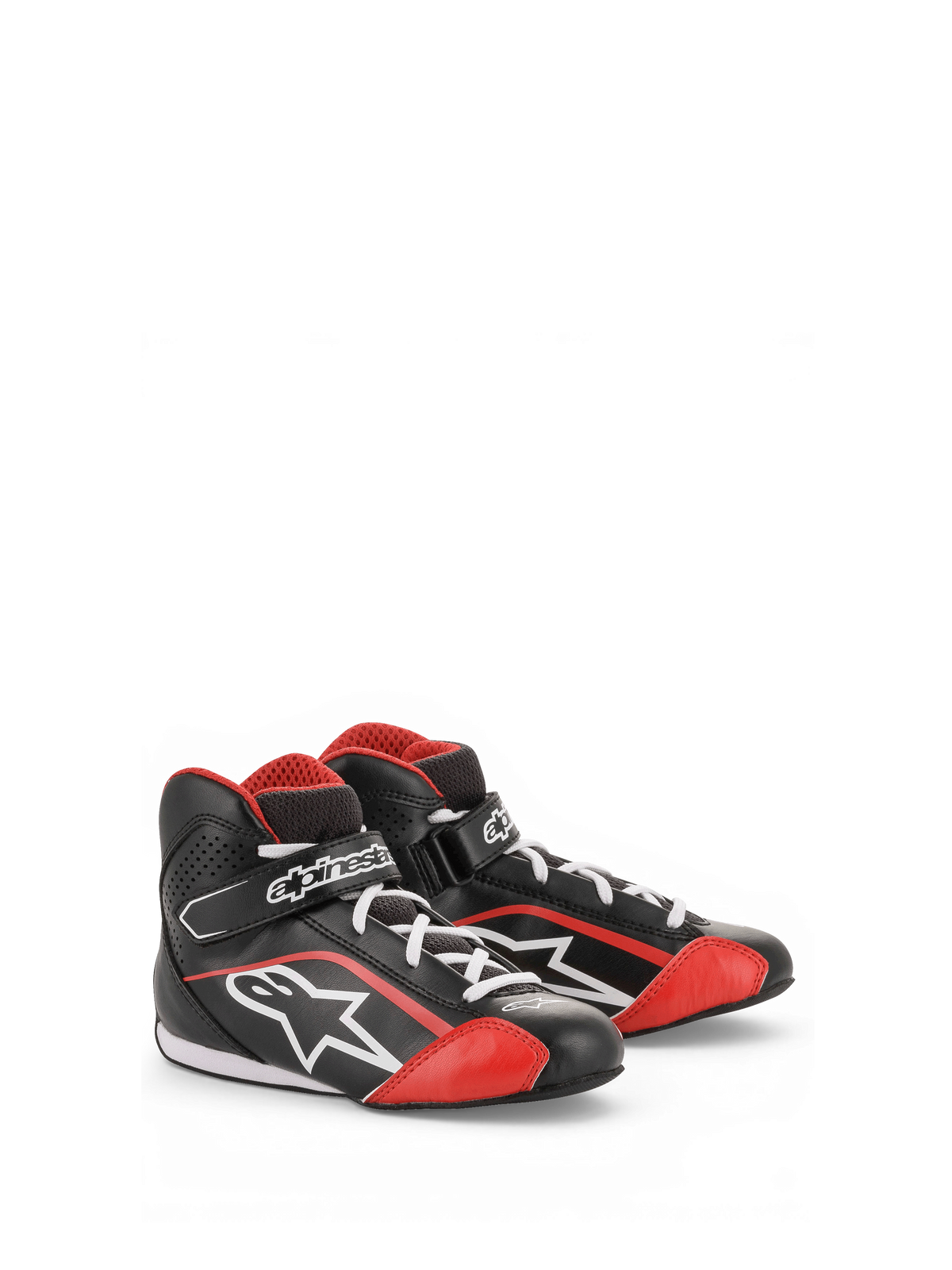
Tech-1 K Start V2 Shoes -
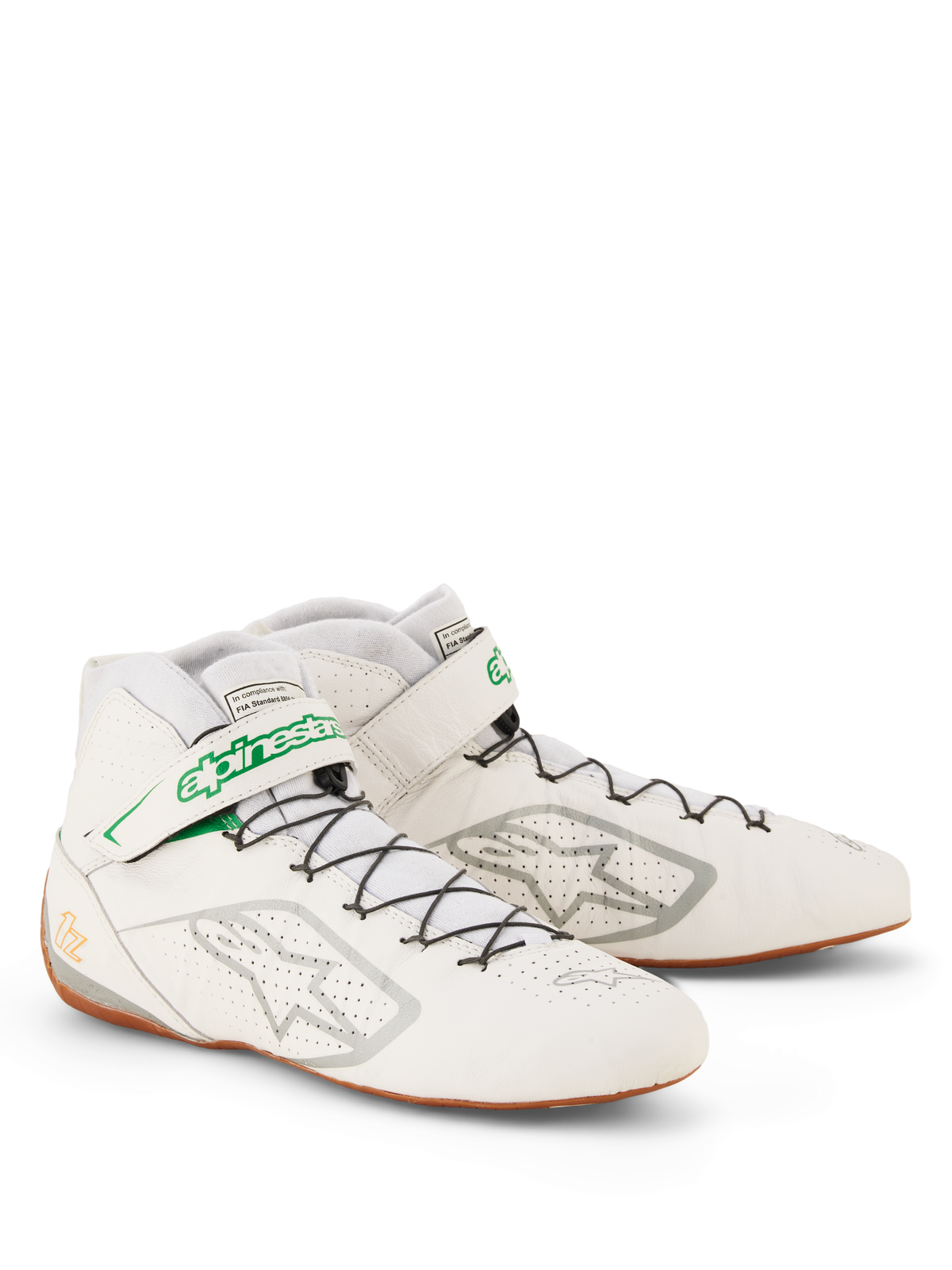
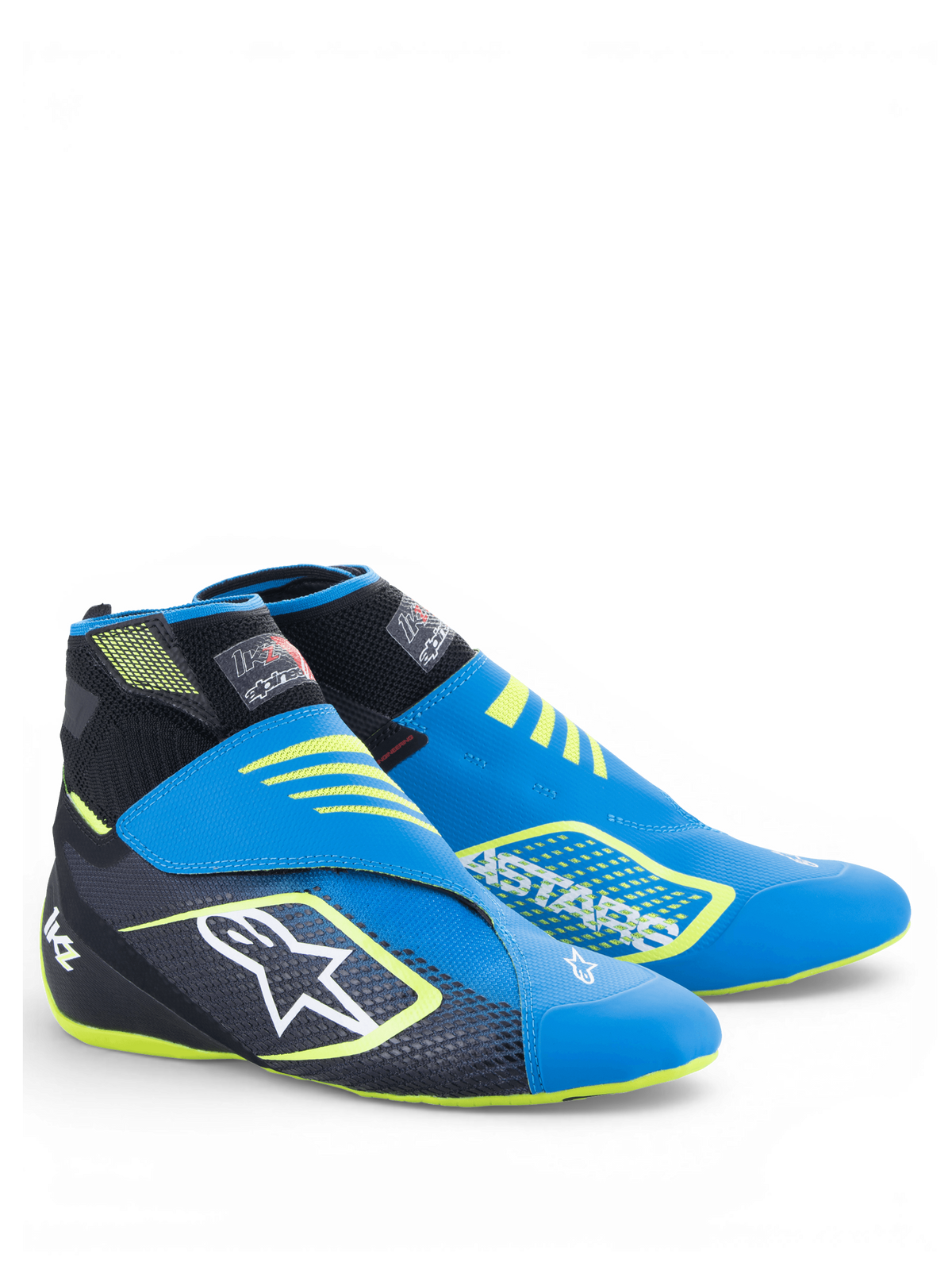
Tech-1 KZ V2 Shoes -
Supertech K Shoes - FIA -
Tech-1 KZ V2 Shoes -
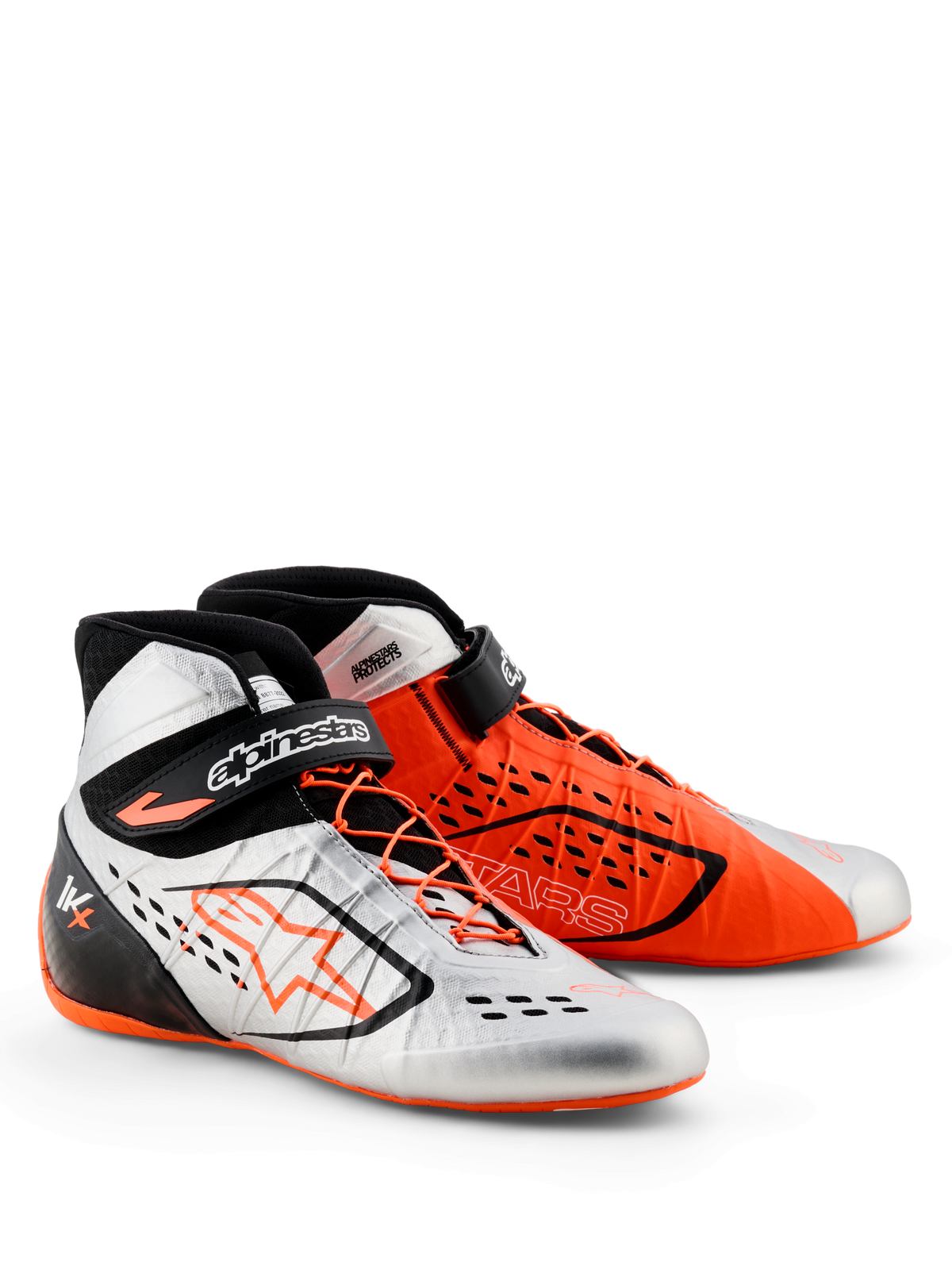
Tech-1 KX V3 Shoes -
Tech-1 KX V3 Shoes - FIA -
Tech-1 KX V3 Shoes - FIA -
Tech-1 K Start V2 Shoes -
Supertech K Shoes - FIA -
Youth Tech-1 KX V2 Shoes -
Youth Tech-1 K V2 Shoes -
Tech-1 Z V3 Shoes FIA -
Tech-1 KZ V2 Shoes -
Youth Tech-1 K Shoes -
Supertech K Shoes - FIA -
Tech-1 K V2 Shoes -
Tech-1 K V2 Shoes -
Youth Tech-1 K Shoes -
Tech-1 KX V2 Shoes -
Youth Tech-1 K V2 Shoes -
Tech-1 K V2 Shoes -
Tech-1 K V2 Shoes -
Tech-1 KX V3 Shoes - FIA -
Tech-1 KZ V2 Shoes -
Tech-1 KX V3 Shoes - FIA



























30 of 30 products
All products loaded
Frequently asked questions Hide FAQs
What types of karting footwear are included in this collection?
This collection features specialized karting boots and shoes designed for competitive kart racing. The range includes FIA-homologated racing boots for professional drivers, lightweight karting shoes for club-level racing, and youth-specific models engineered for younger drivers. Each style is built with racing-proven materials and construction techniques developed through decades of motorsport experience.
Are Alpinestars karting boots FIA approved?
Yes, select models in this collection meet FIA 8856-2018 homologation standards required for professional karting competition. FIA-approved boots undergo rigorous testing for flame resistance, impact protection, and structural integrity. Check individual product specifications to confirm homologation status, as the collection includes both FIA-certified professional racing boots and non-homologated recreational karting shoes suitable for club racing and practice sessions.
How should karting boots fit?
Karting boots should fit snugly without restricting pedal feel or ankle movement. A proper fit means minimal heel lift, secure ankle support, and enough toe room to prevent cramping during extended racing sessions. The thin, flexible soles characteristic of karting footwear are designed to maximize pedal feedback and precision control. Unlike motorcycle boots, karting boots prioritize sensitivity over heavy protection, so expect a closer, more athletic fit similar to racing shoes.
What makes karting footwear different from regular racing boots?
Karting footwear features ultra-thin soles for maximum pedal sensitivity and feedback, which is critical for precise throttle and brake control in competitive karting. The boots are significantly lighter and more flexible than motorcycle racing boots, as kart drivers require unrestricted ankle movement and direct feel of the pedals. Construction focuses on flame-resistant materials, breathability for cockpit heat management, and minimal weight—typically under 500 grams per boot. This specialized design prioritizes pedal precision and FIA safety standards over the impact protection needed in motorcycle racing.
How do I care for my karting boots?
Clean karting boots after each race weekend using a damp cloth to remove dirt and debris. For deeper cleaning, use mild soap and water on exterior surfaces, avoiding harsh chemicals that can degrade flame-resistant materials. Allow boots to air dry naturally away from direct heat sources—never use a dryer or radiator, as excessive heat can compromise the FIA-certified fire-resistant properties. Store in a cool, dry place and inspect regularly for sole wear, stitching integrity, and material degradation. Replace boots if FIA certification expires or if structural damage occurs.