
220 results
-
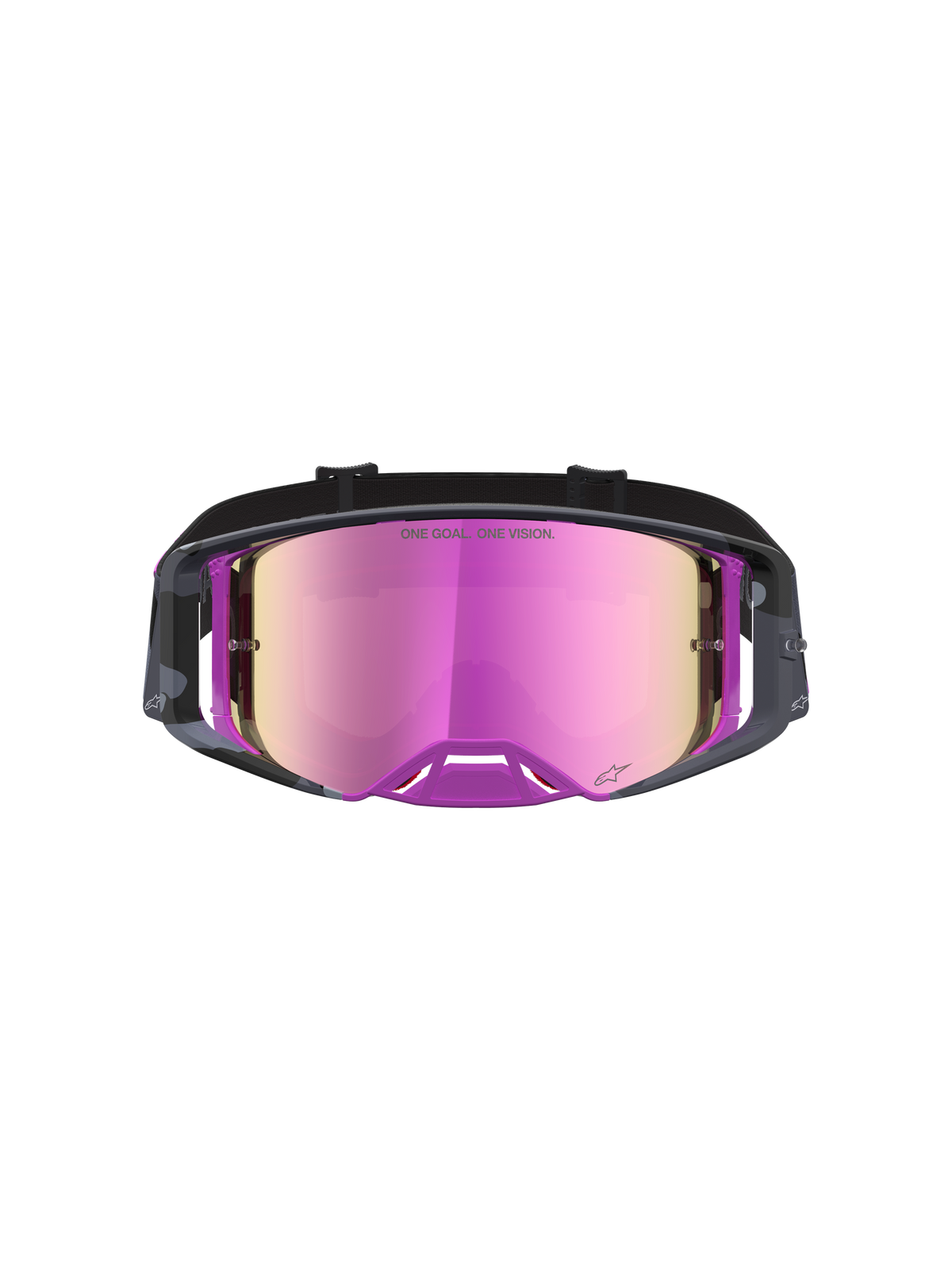
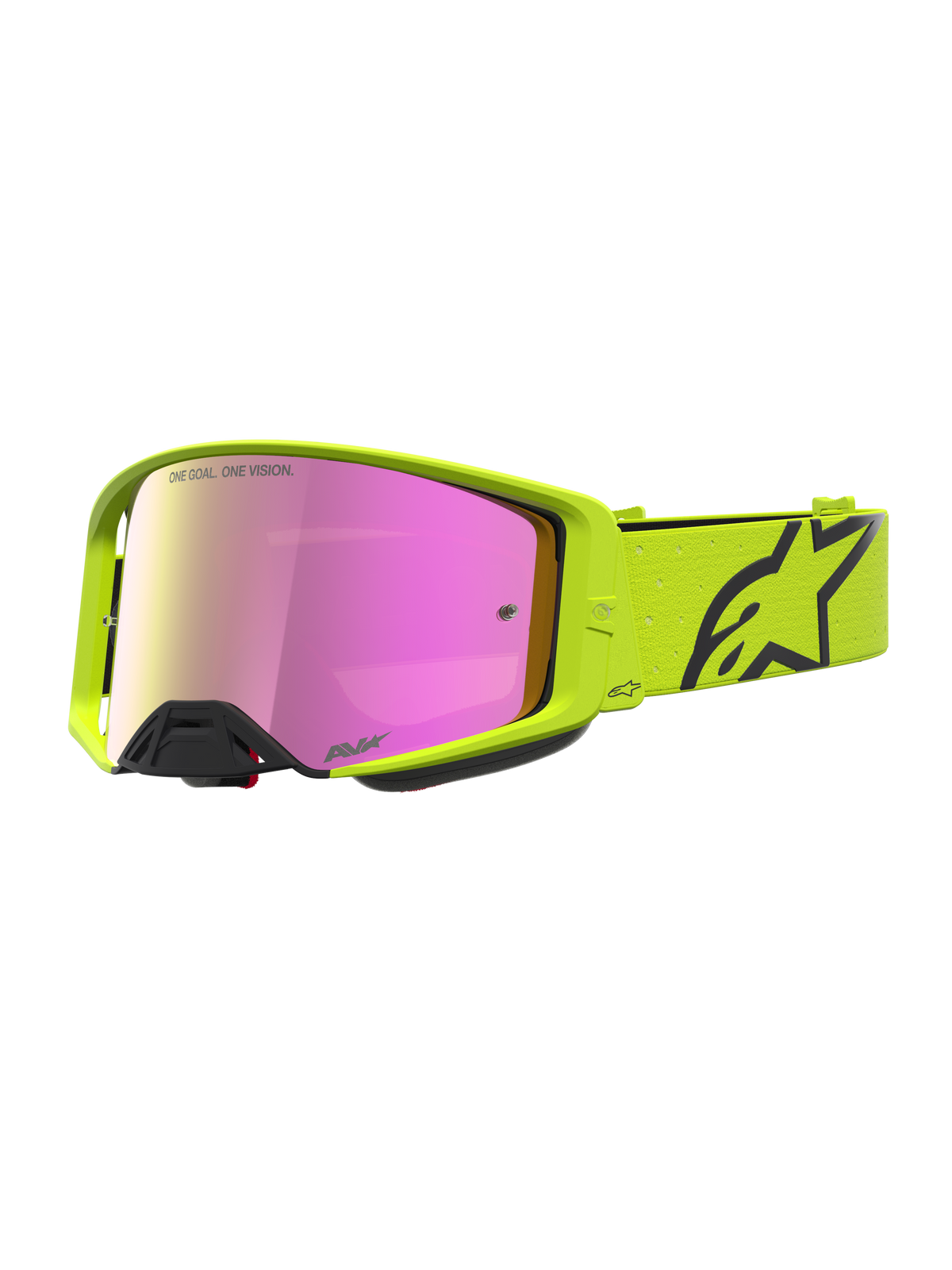
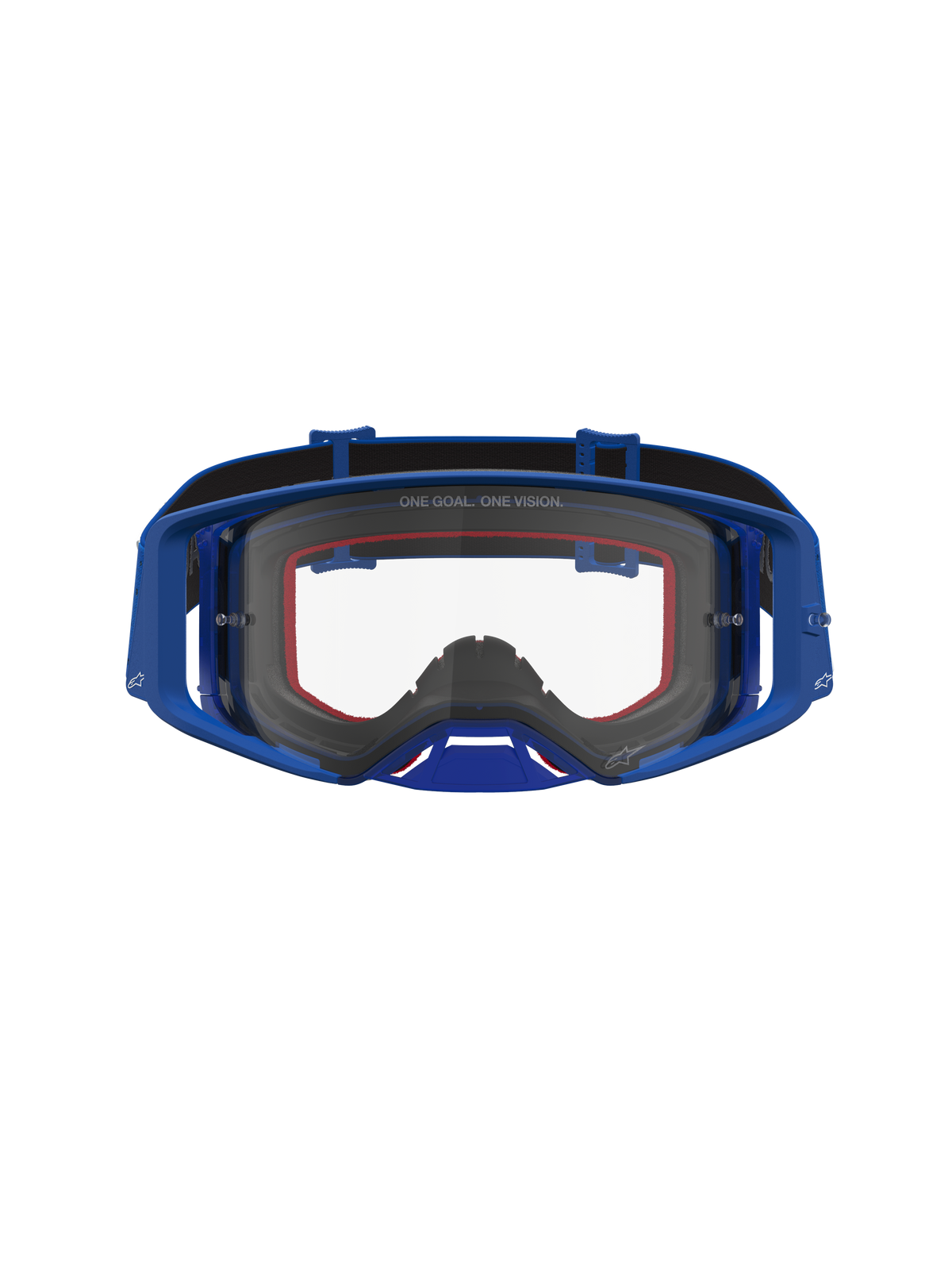
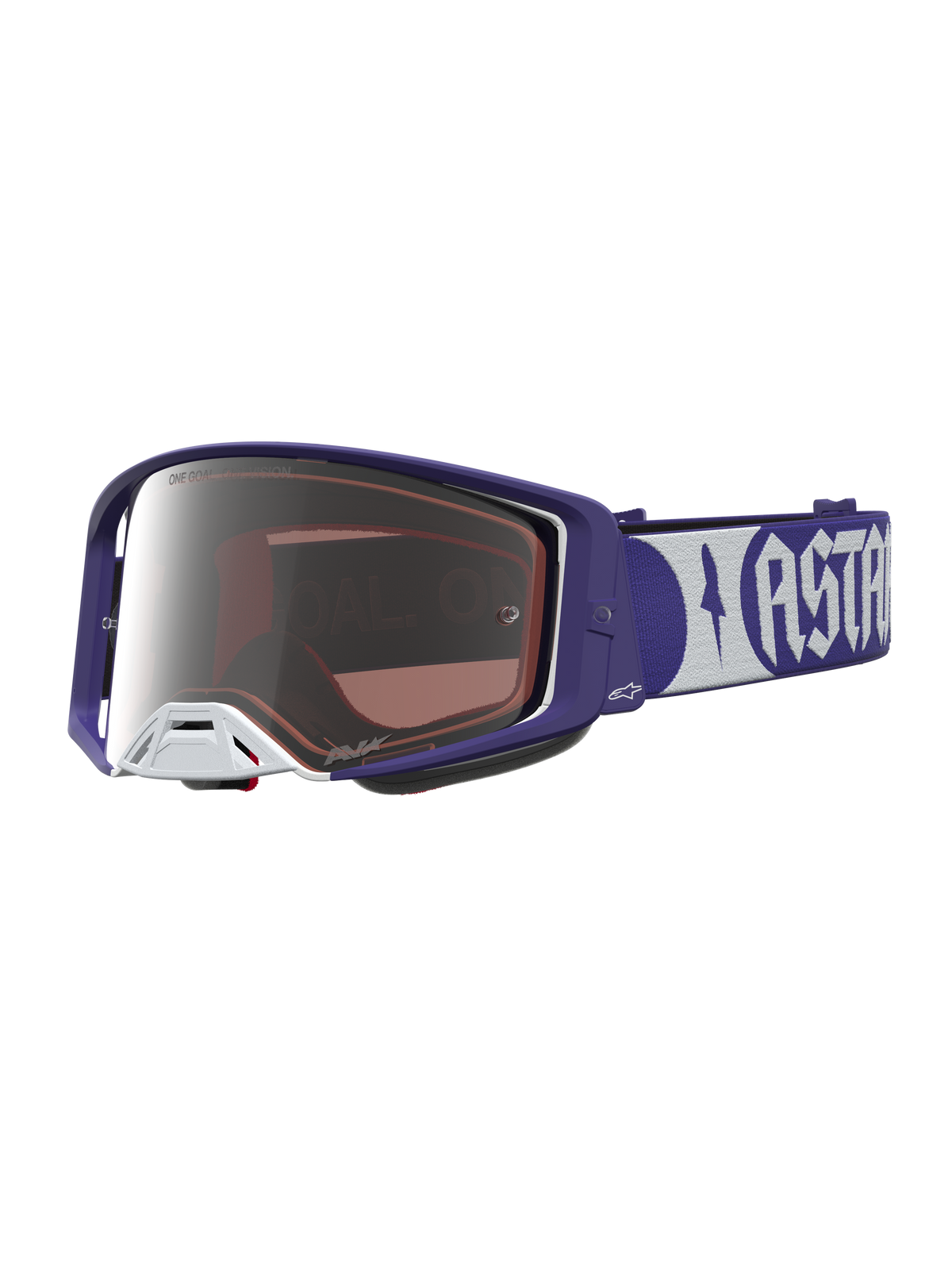
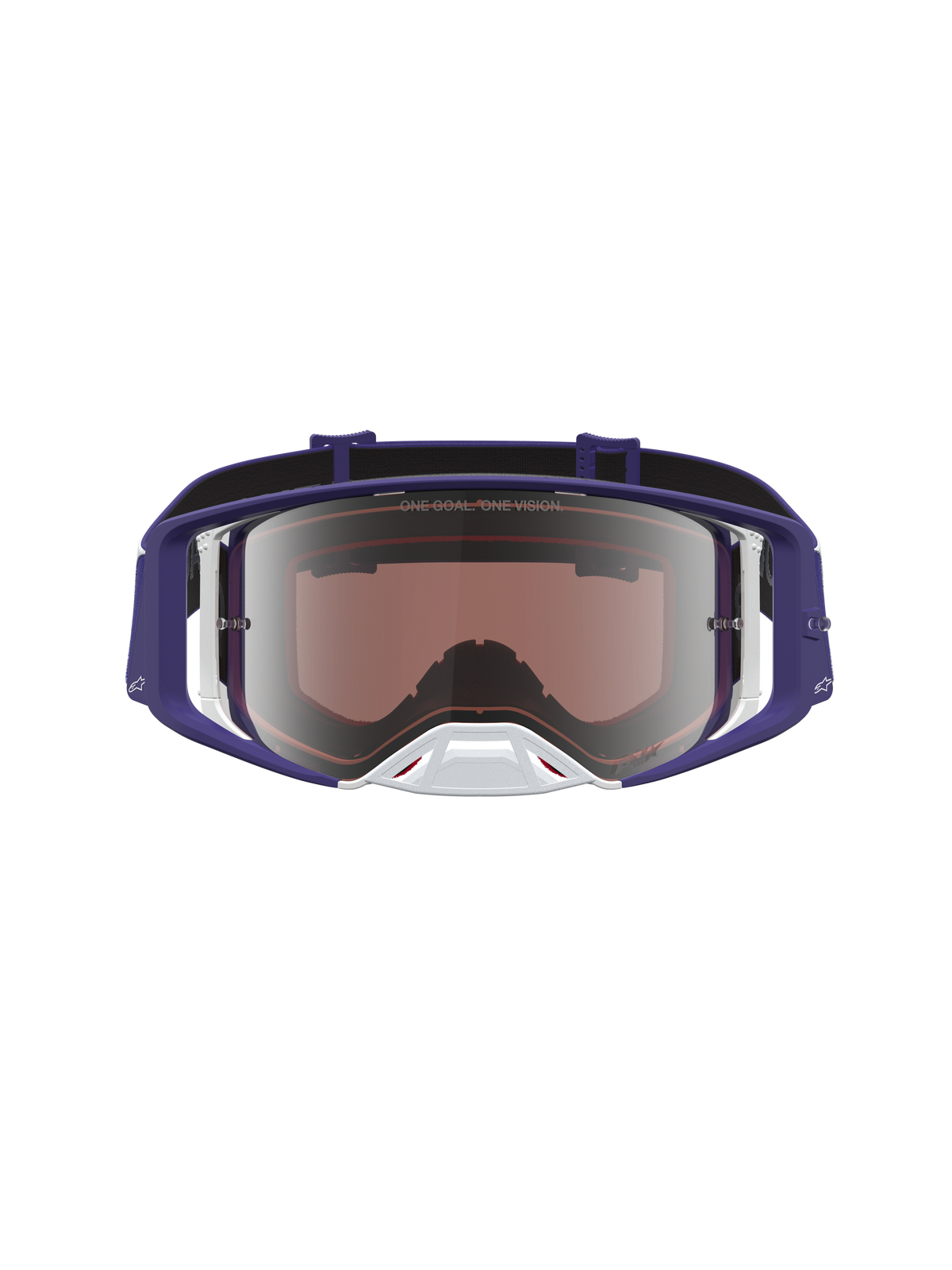
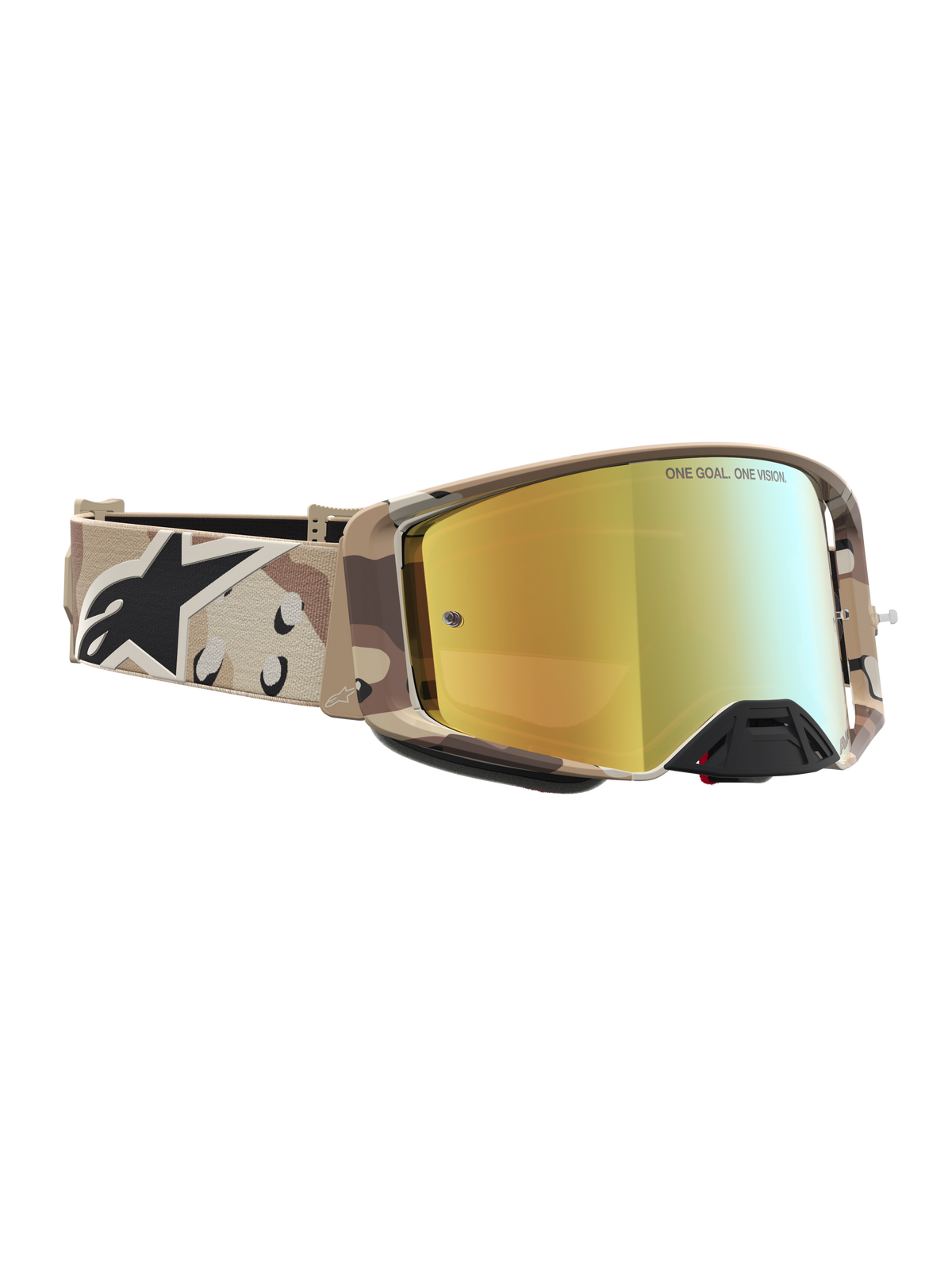
Limited Edition Supertech Zona Goggles -
Limited Edition Supertech Lone Goggles -
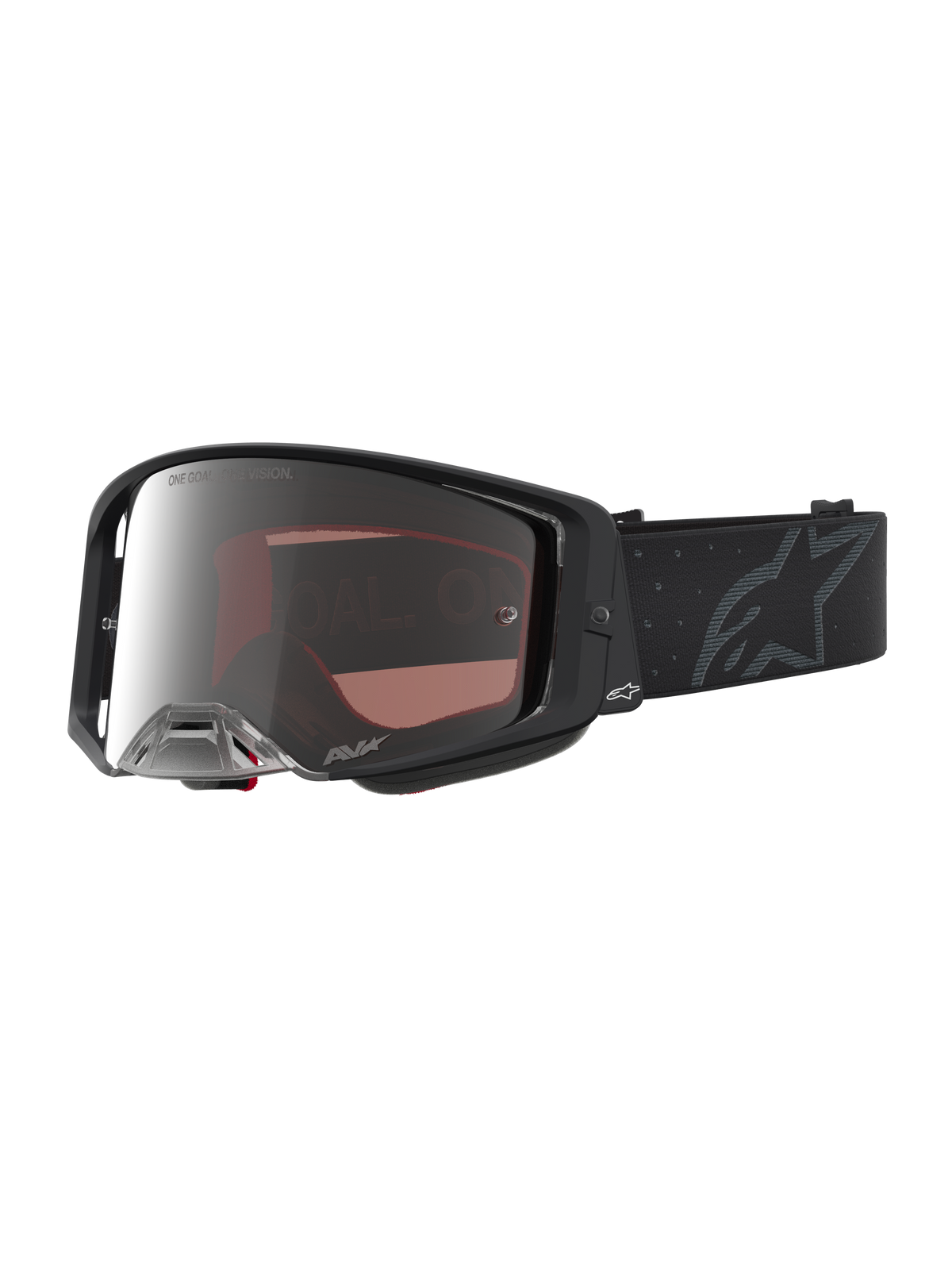
Supertech Cloak Goggles -
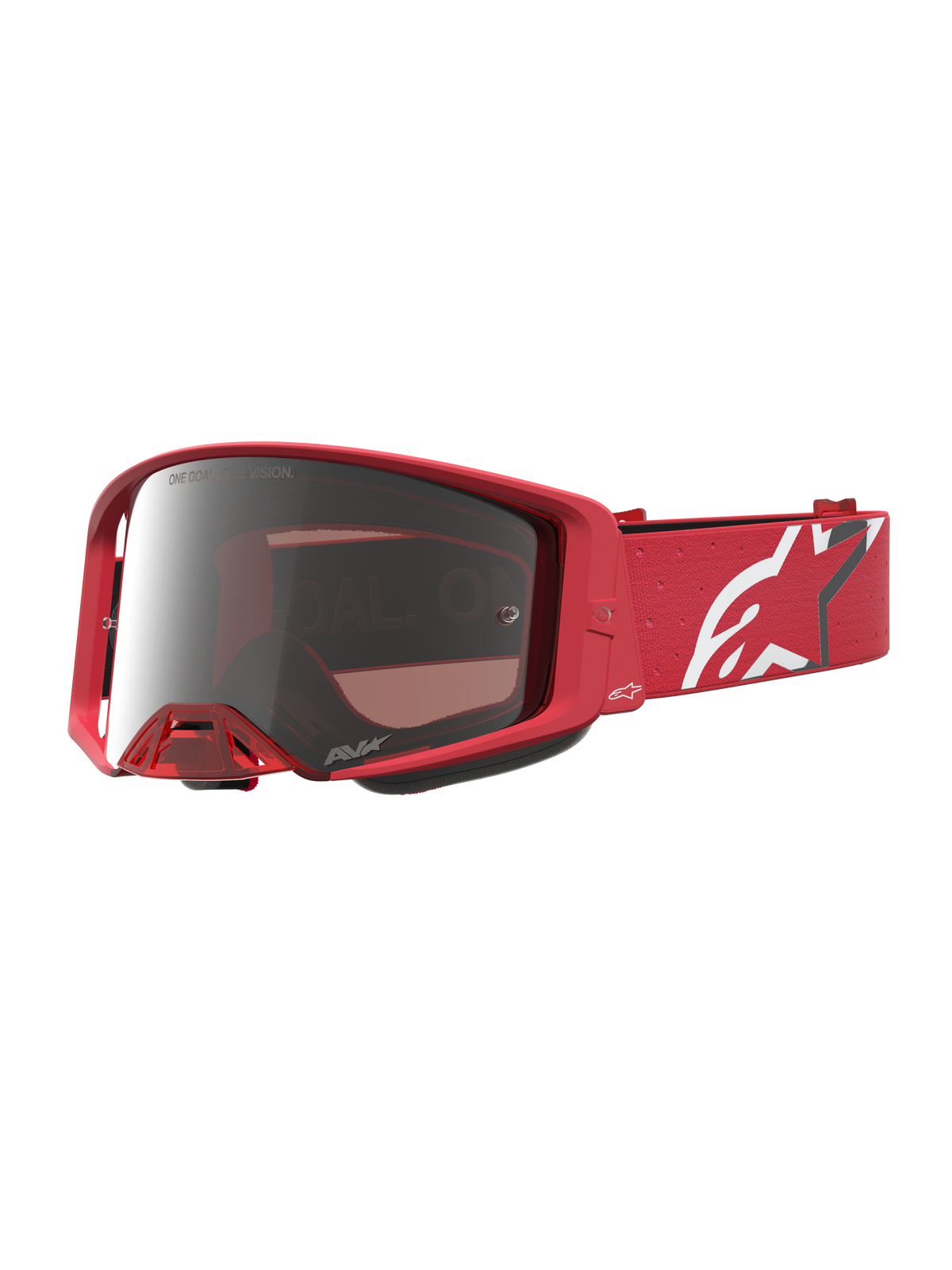
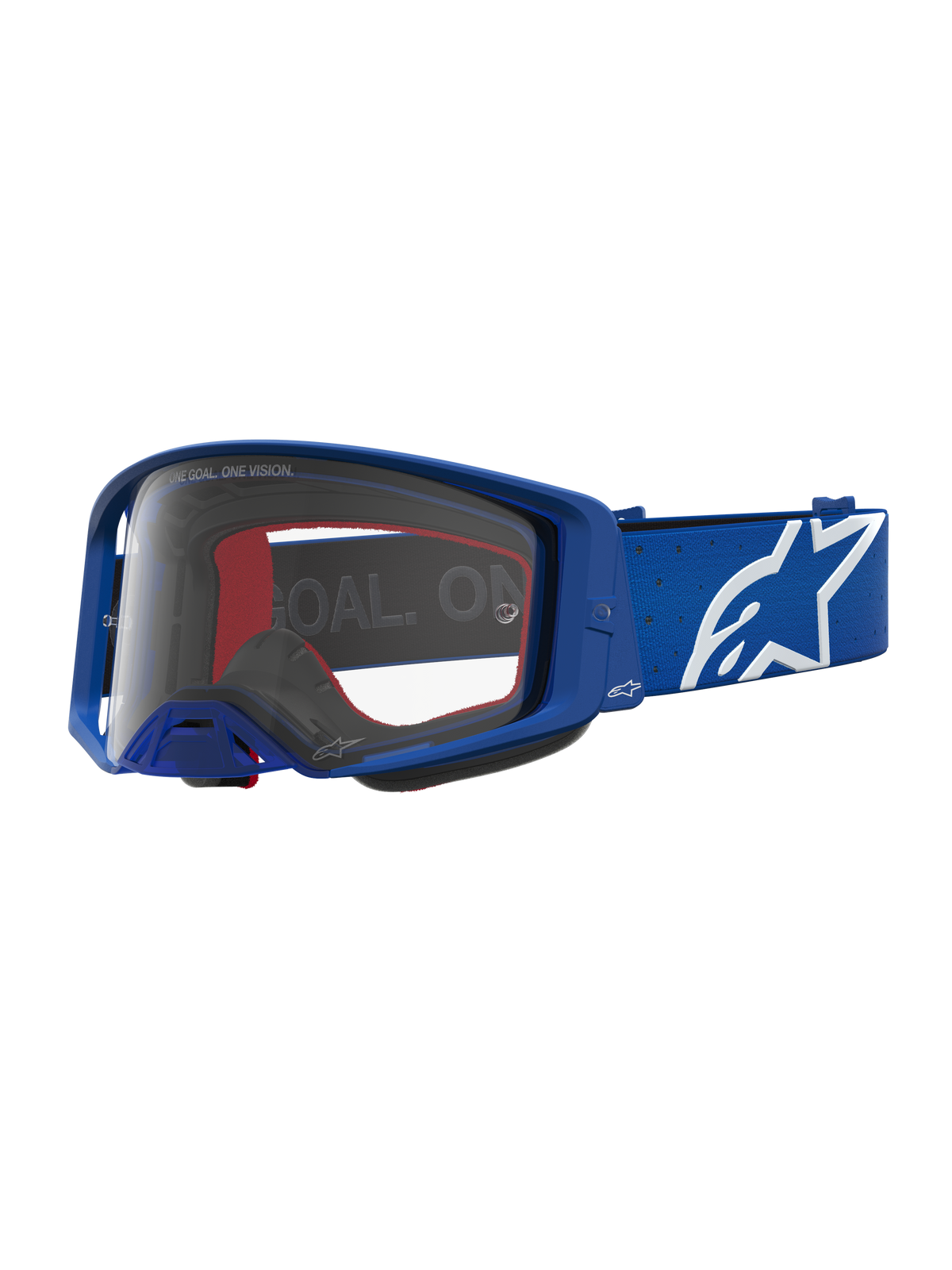
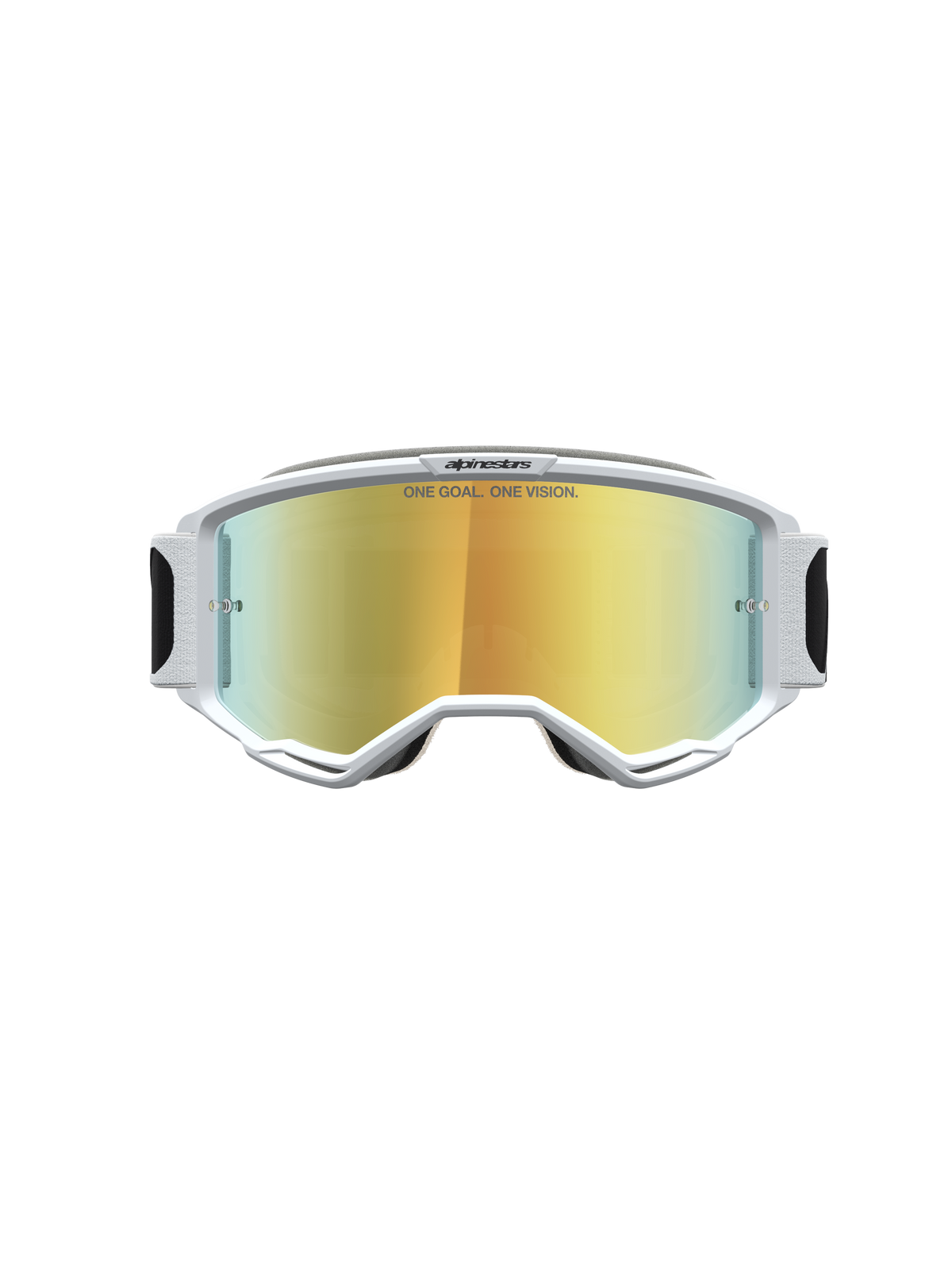
Supertech Vesta Goggles -
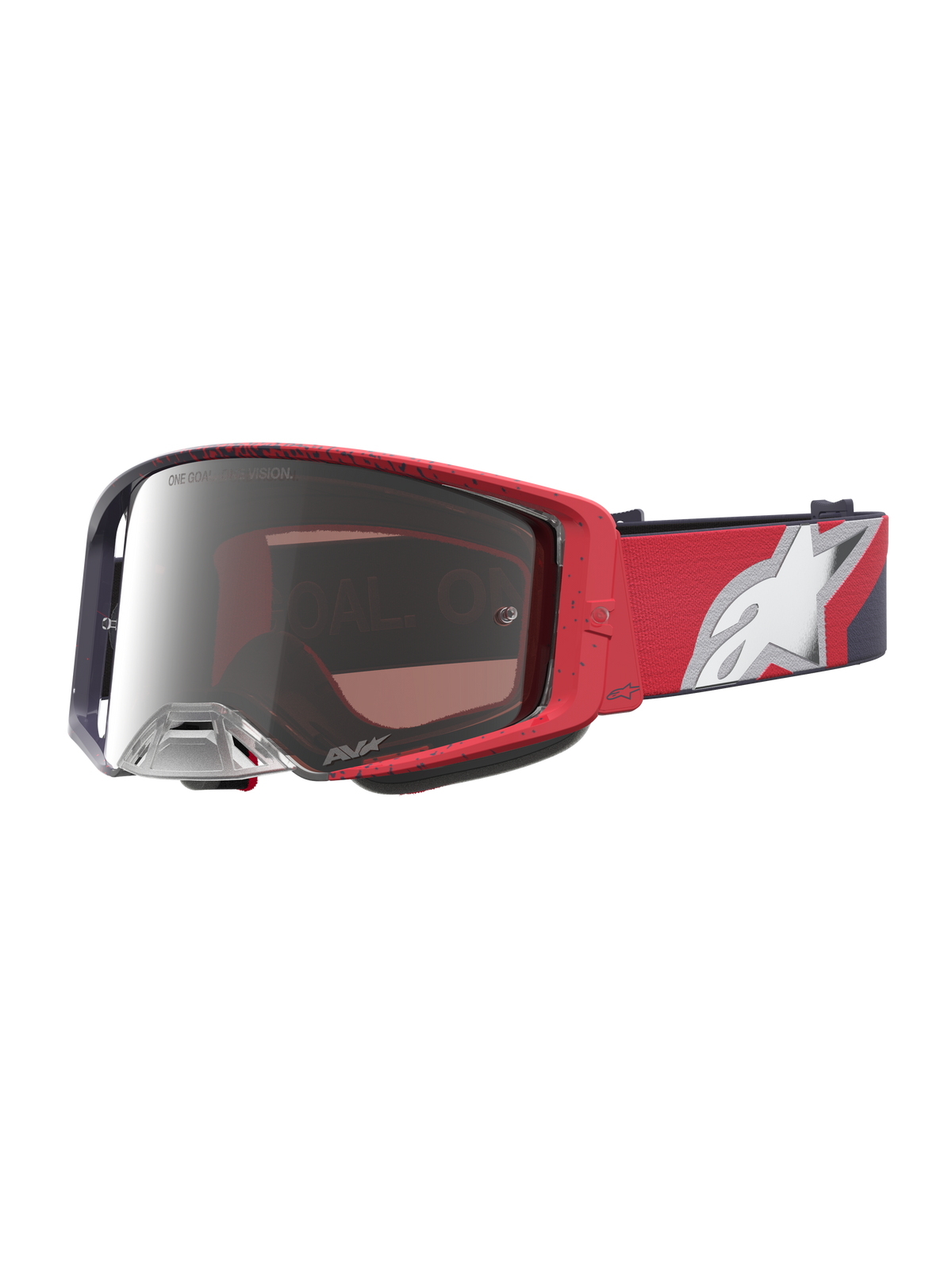
Supertech Hiten Goggles -
Supertech Vesta Goggles -
Vision 8 Amber Mirror Goggles -
Supertech Vesta Goggles -
Vision 5 Rora Roll Off Goggles -
Supertech Vesta Goggles -
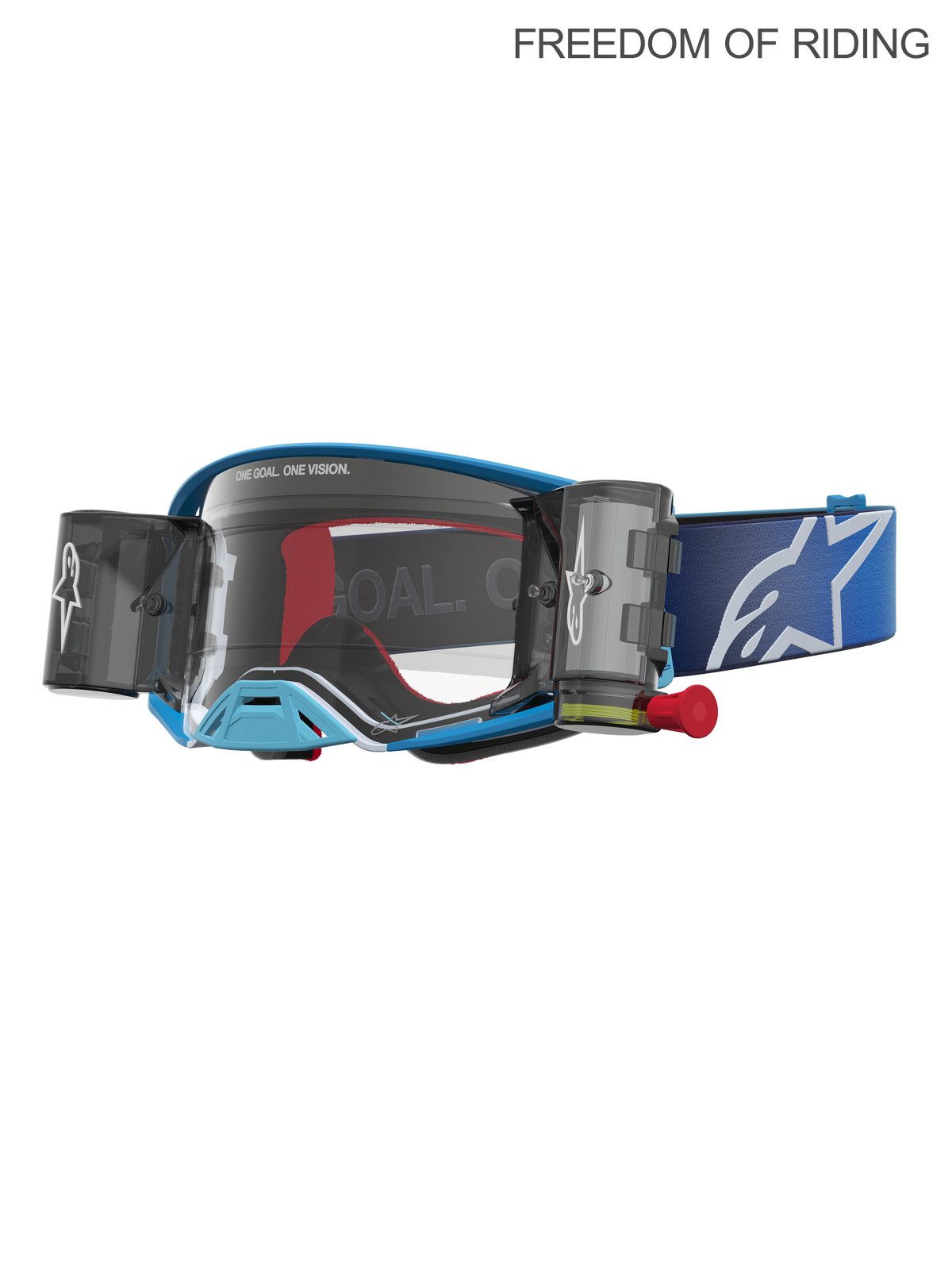
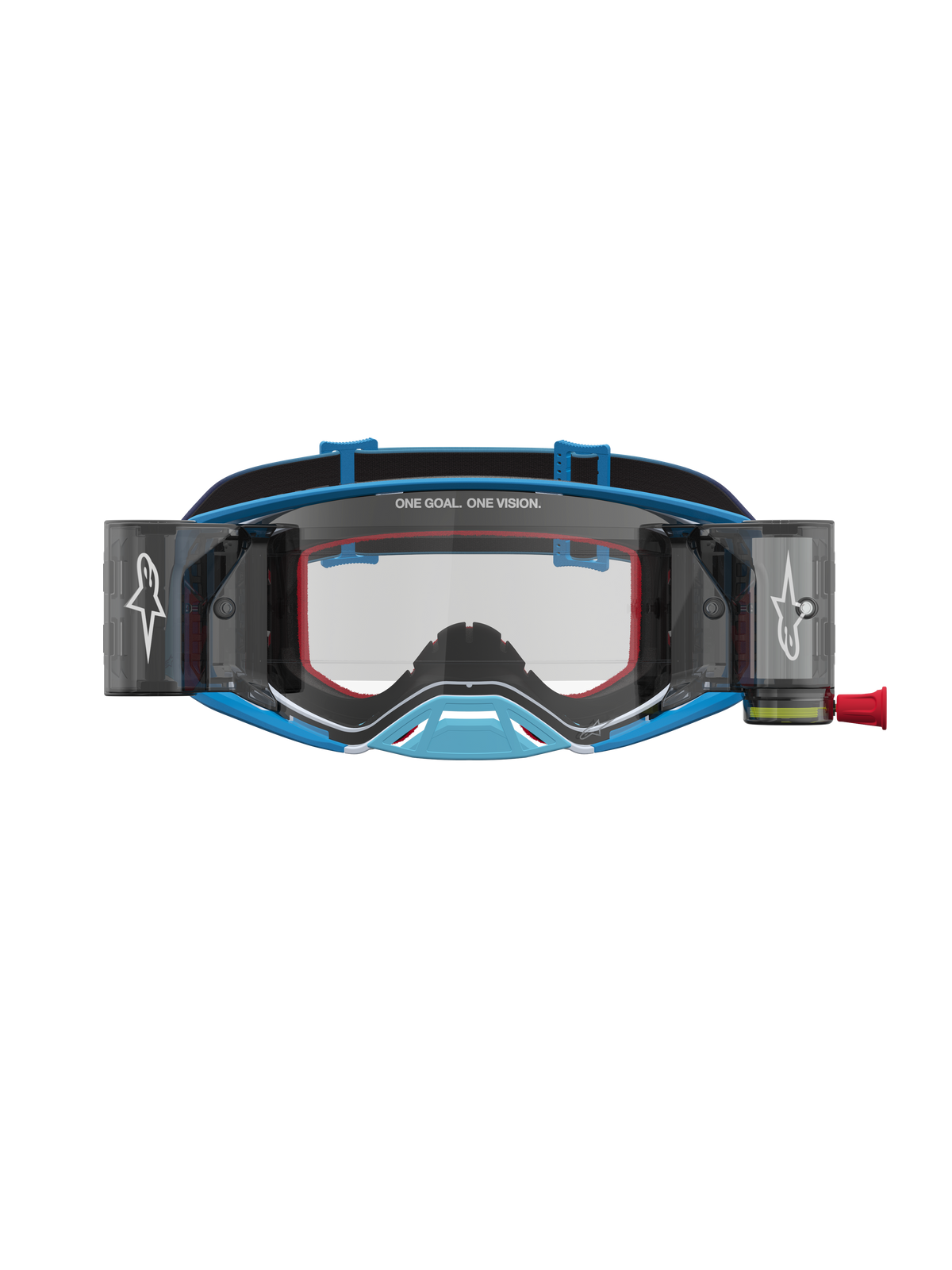
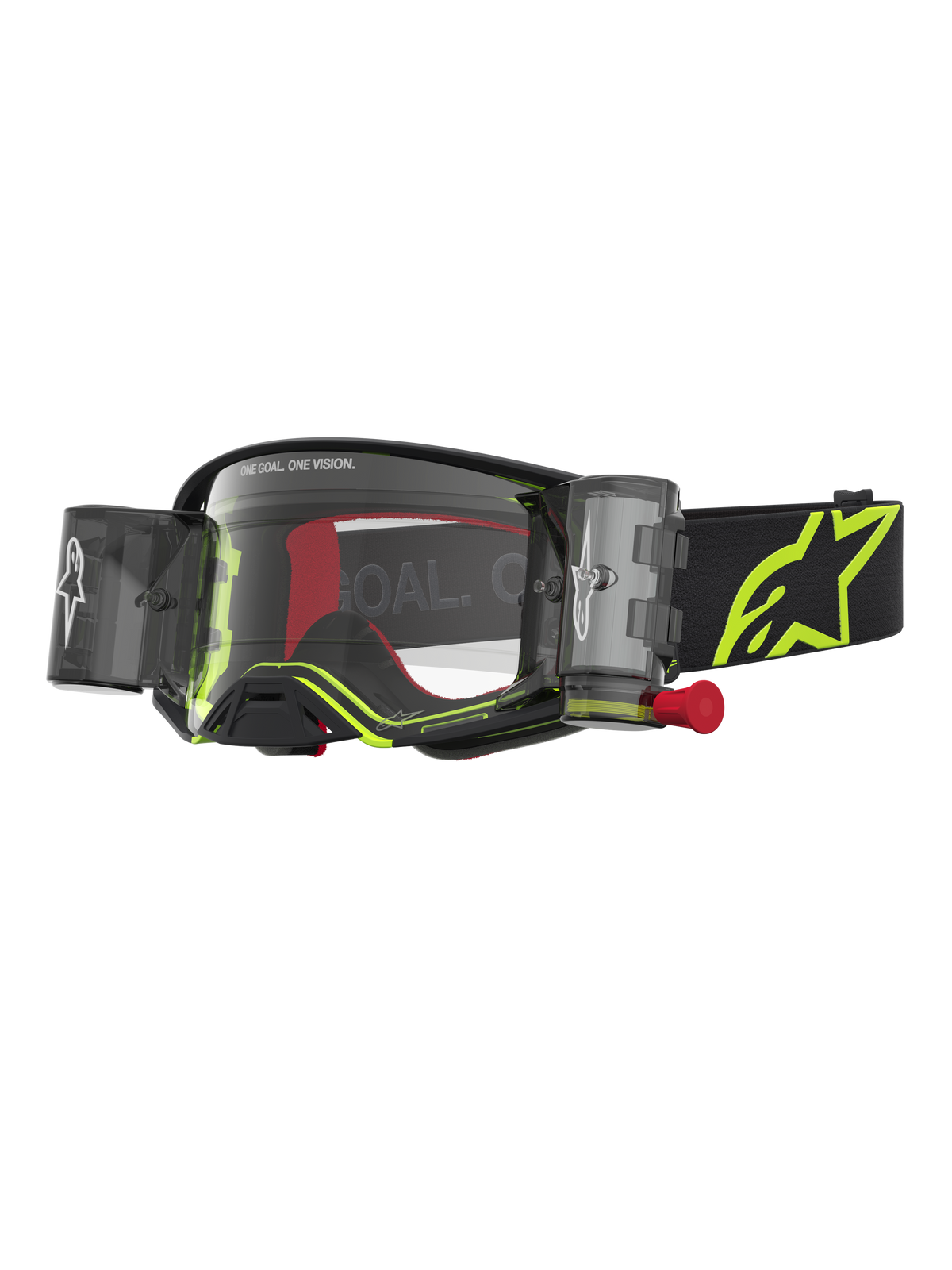
Supertech Firma Roll Off Goggles -
Supertech Vesta Goggles -
Vision 8 Amber Mirror Goggles -
Supertech Atrox Goggles -
Supertech Lone Goggles -
Vision 8 Maven Goggles -
Vision 5 Drag Goggles -
Supertech Hiten Goggles -
Vision 5 Rora Goggles -
Vision 8 Amber Goggles - Clear -
Supertech Vesta Goggles -
Supertech Firma Roll Off Goggles -
Vision Youth Atrox Goggles -
Supertech Atrox Goggles -
Supertech Hiten Goggles -
Vision 5 Hone Goggles -
Supertech Firma Roll Off Goggles -
Vision 3 Wordmark Mirror Goggles -
Vision 5 Rora Goggles -
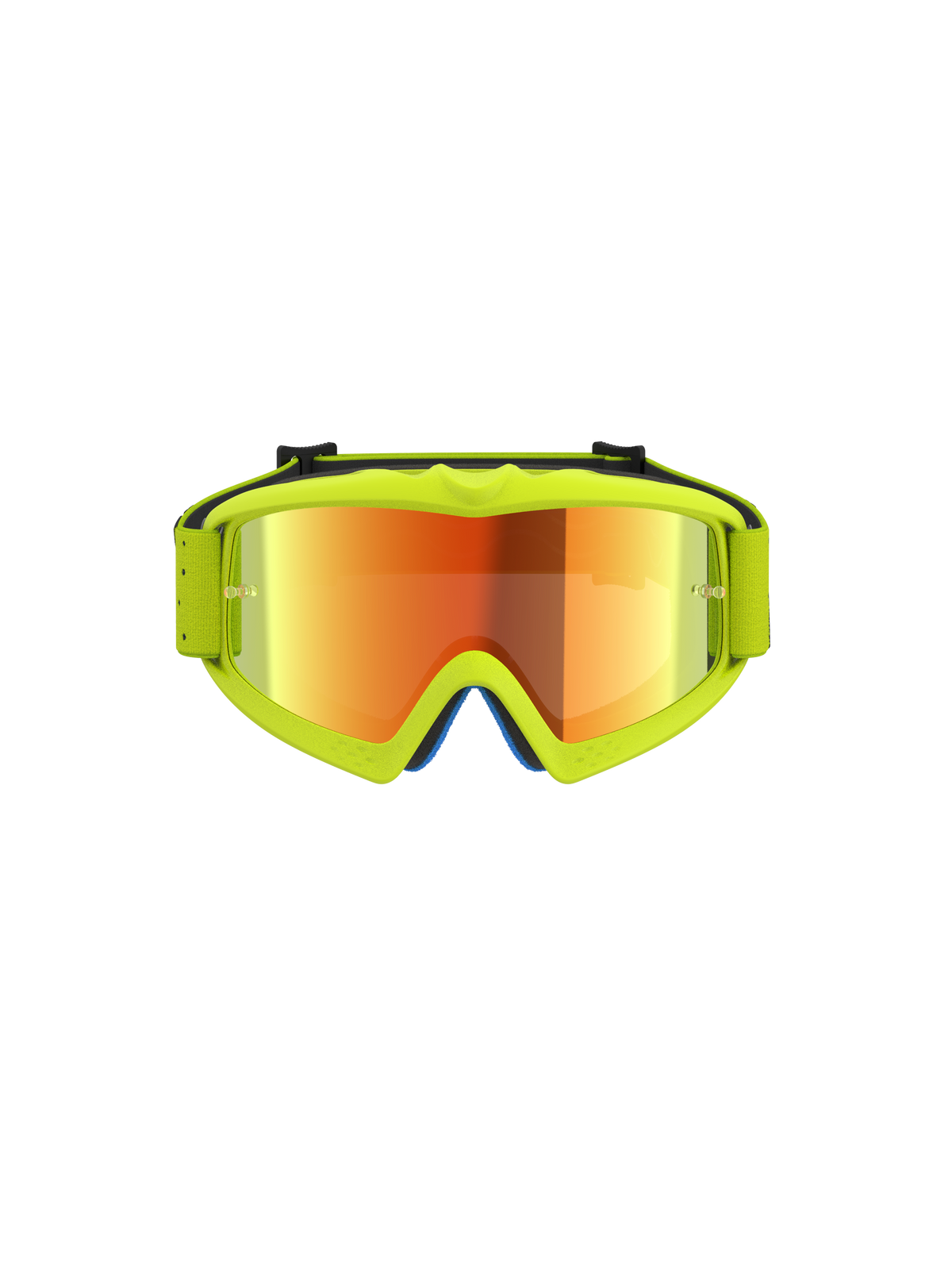
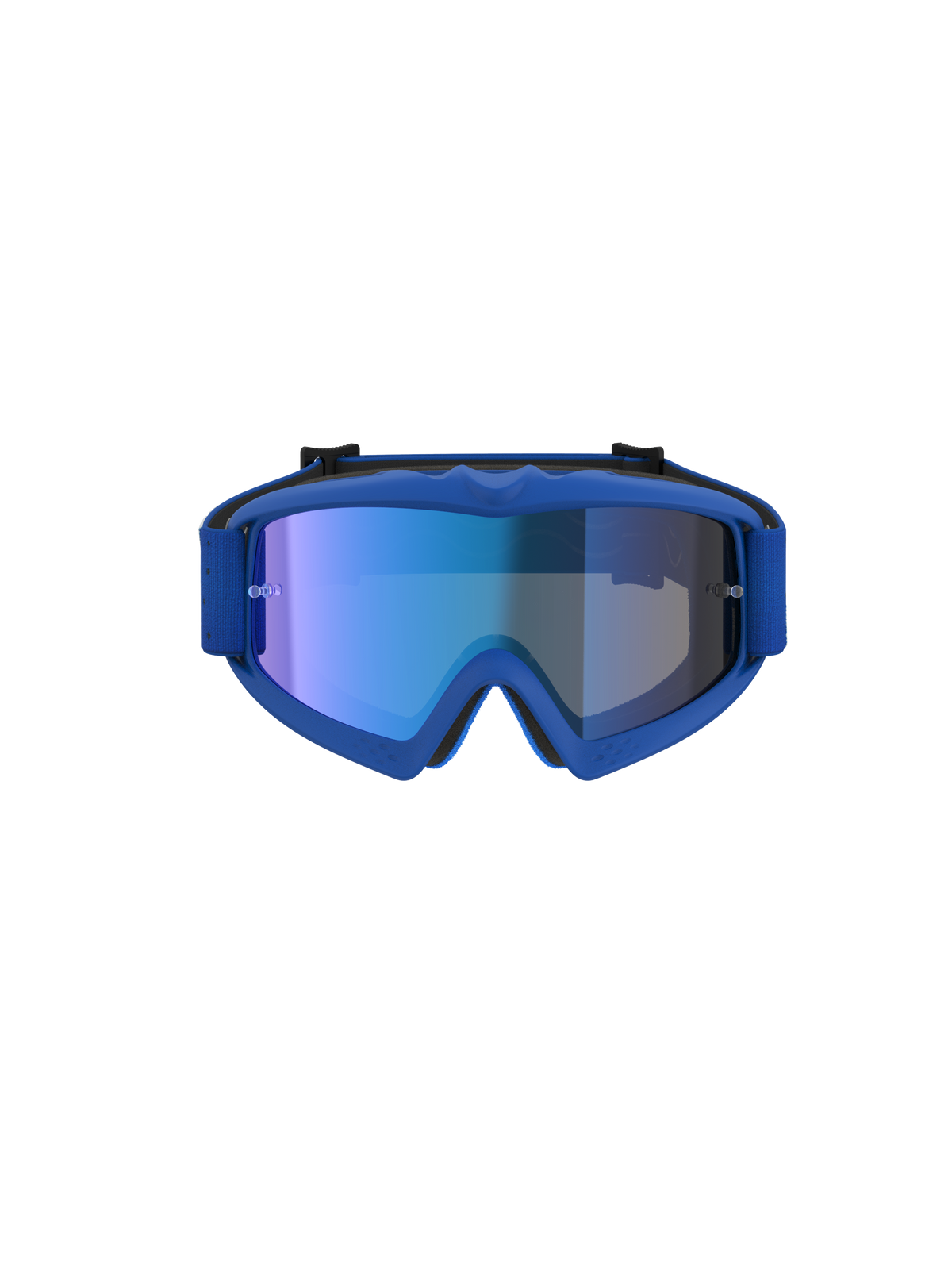
Vision Youth Vesta Goggles -
Vision 5 Rora Goggles -
Vision Youth Vesta Goggles -
Vision Youth Vesta Goggles -
Vision 8 Amber Goggles - Clear -
Vision 5 Drag Goggles -
Vision 8 Amber Goggles - Mirror







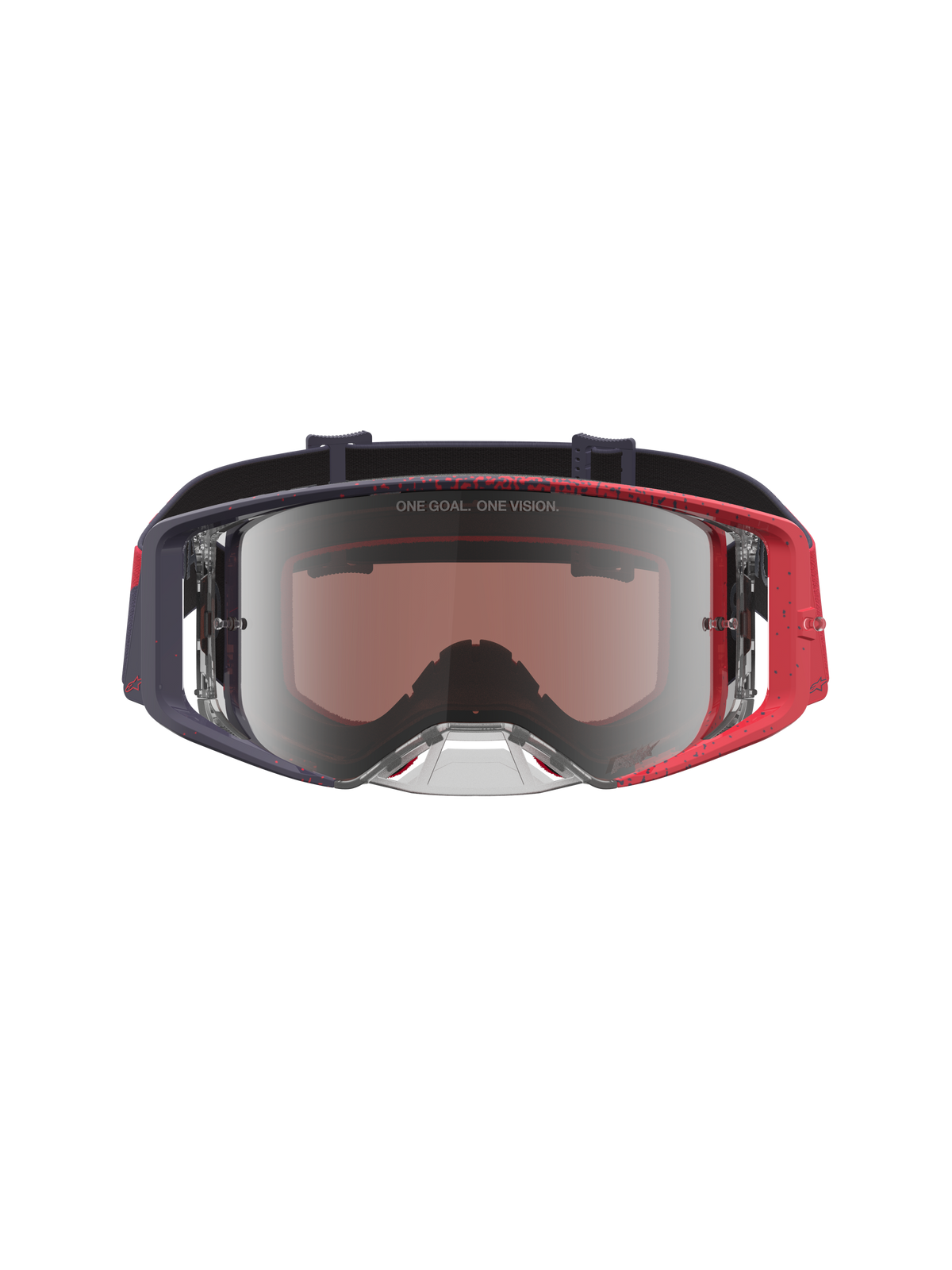


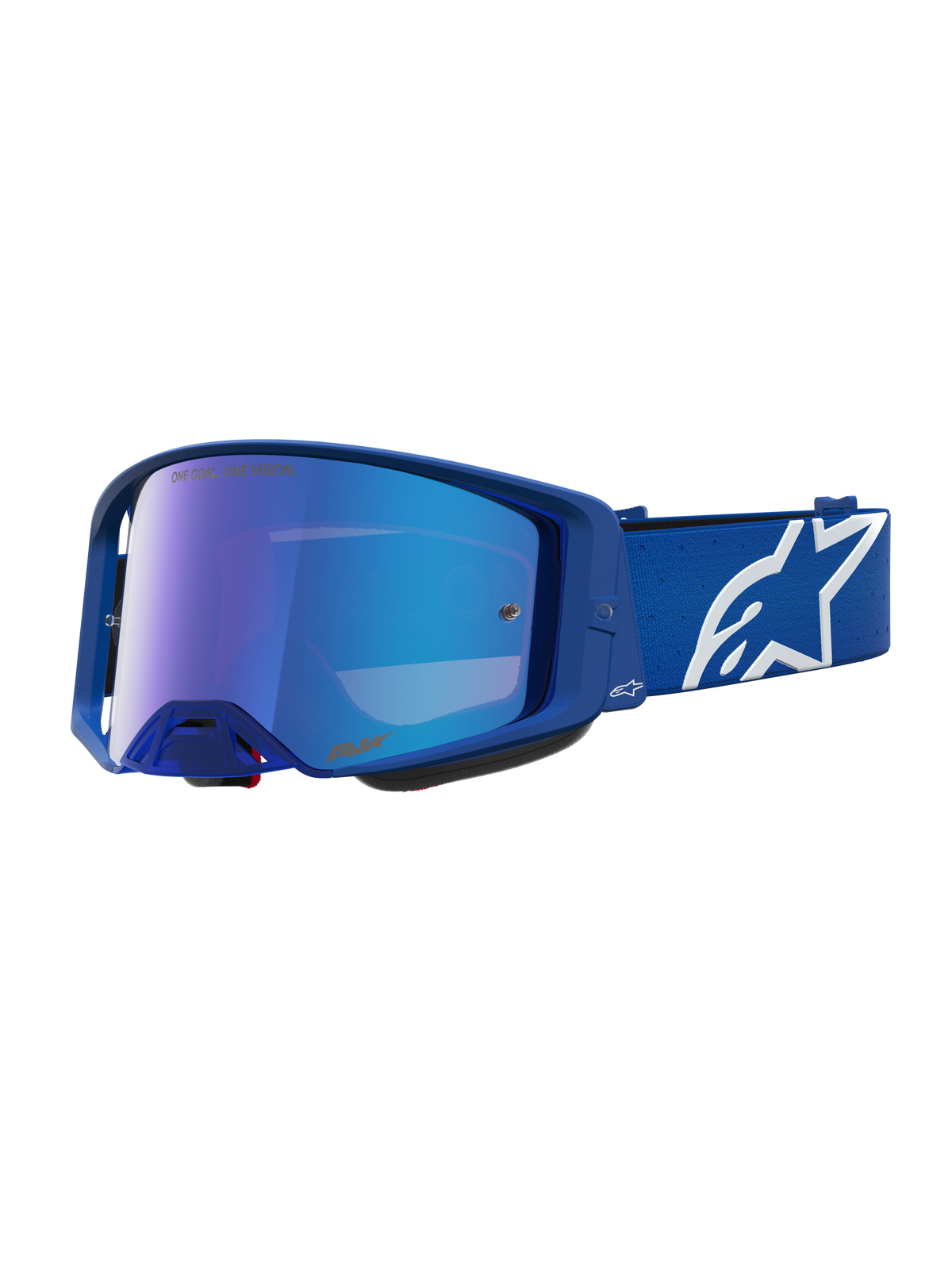


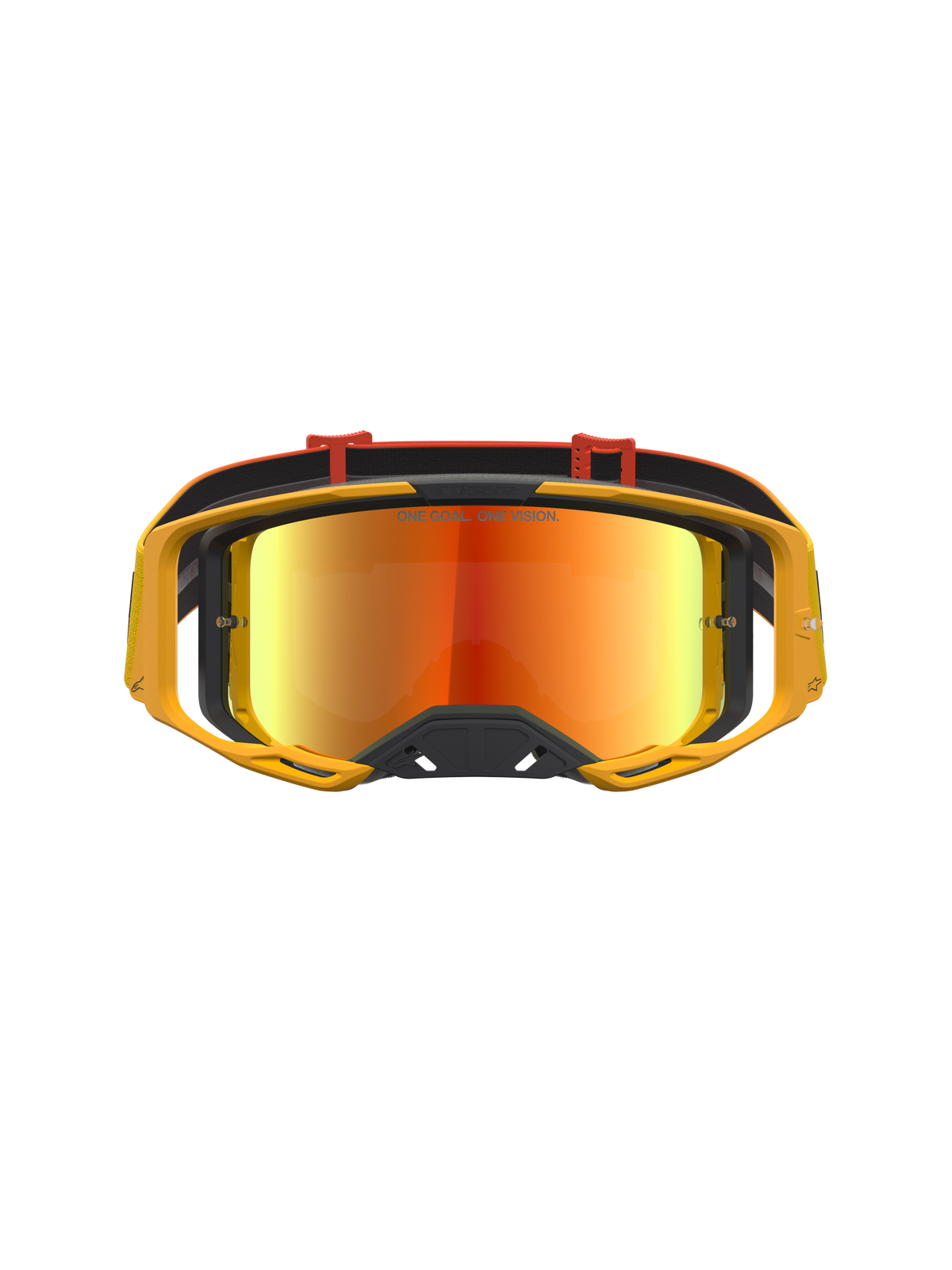


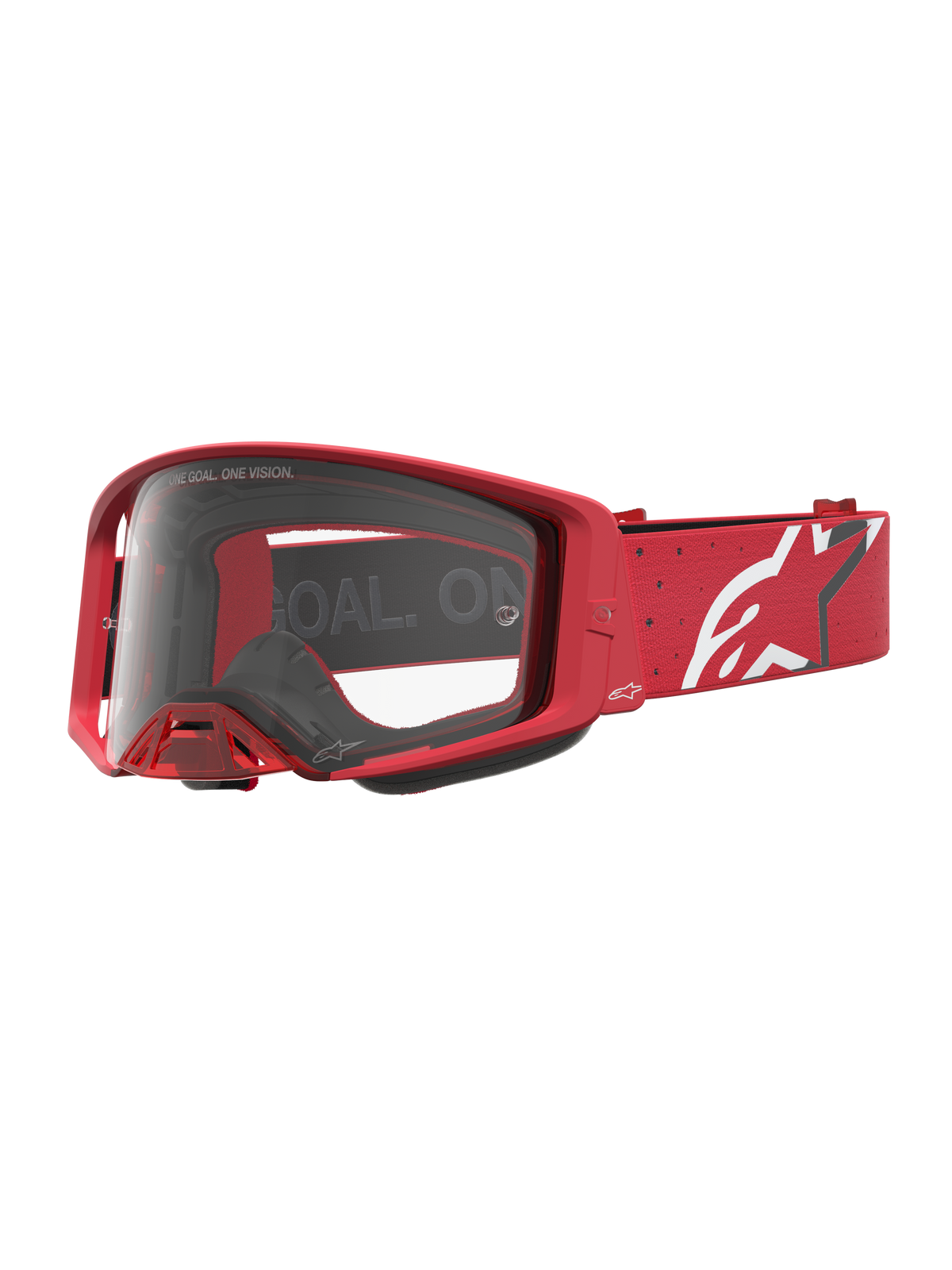











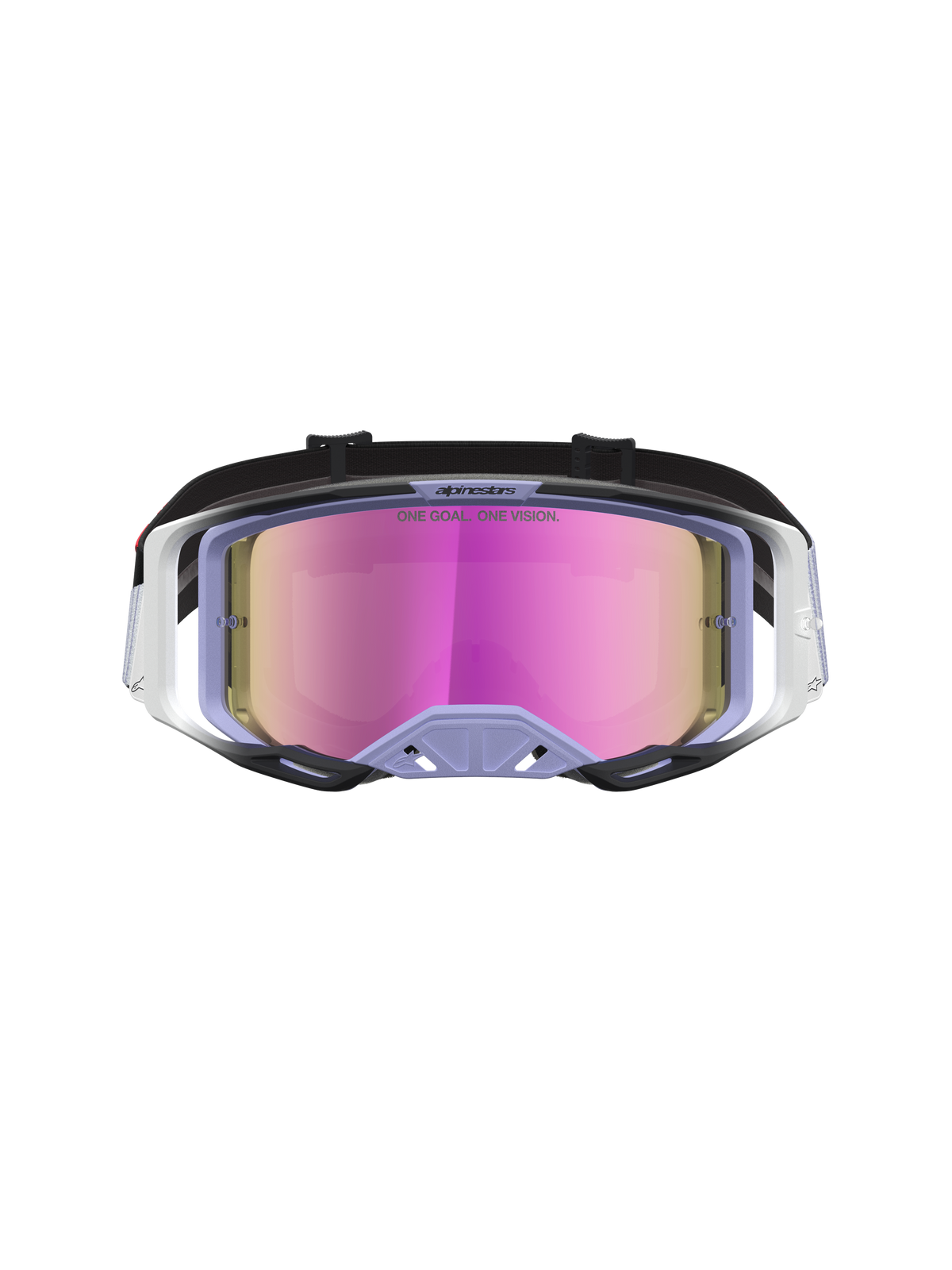


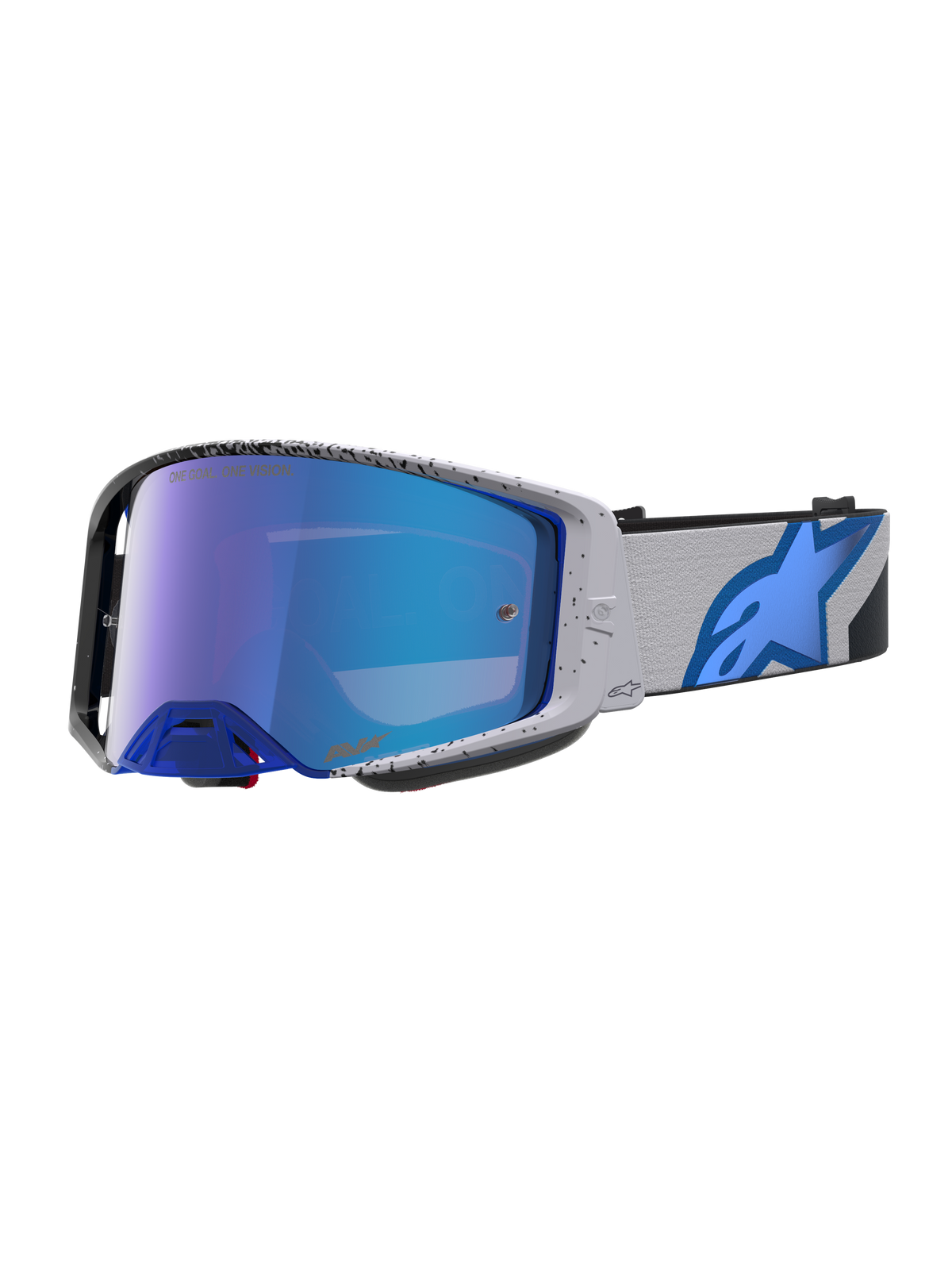
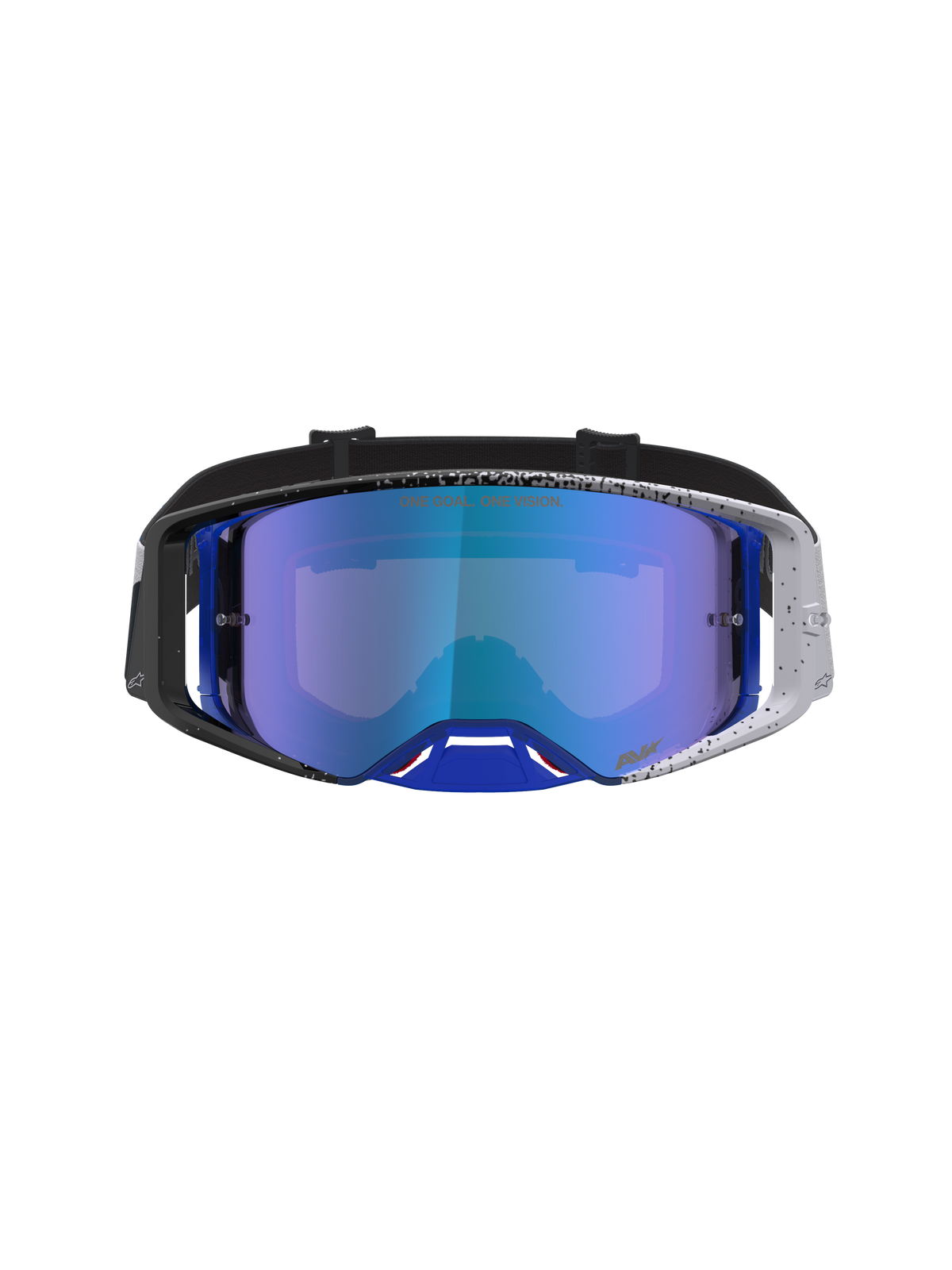

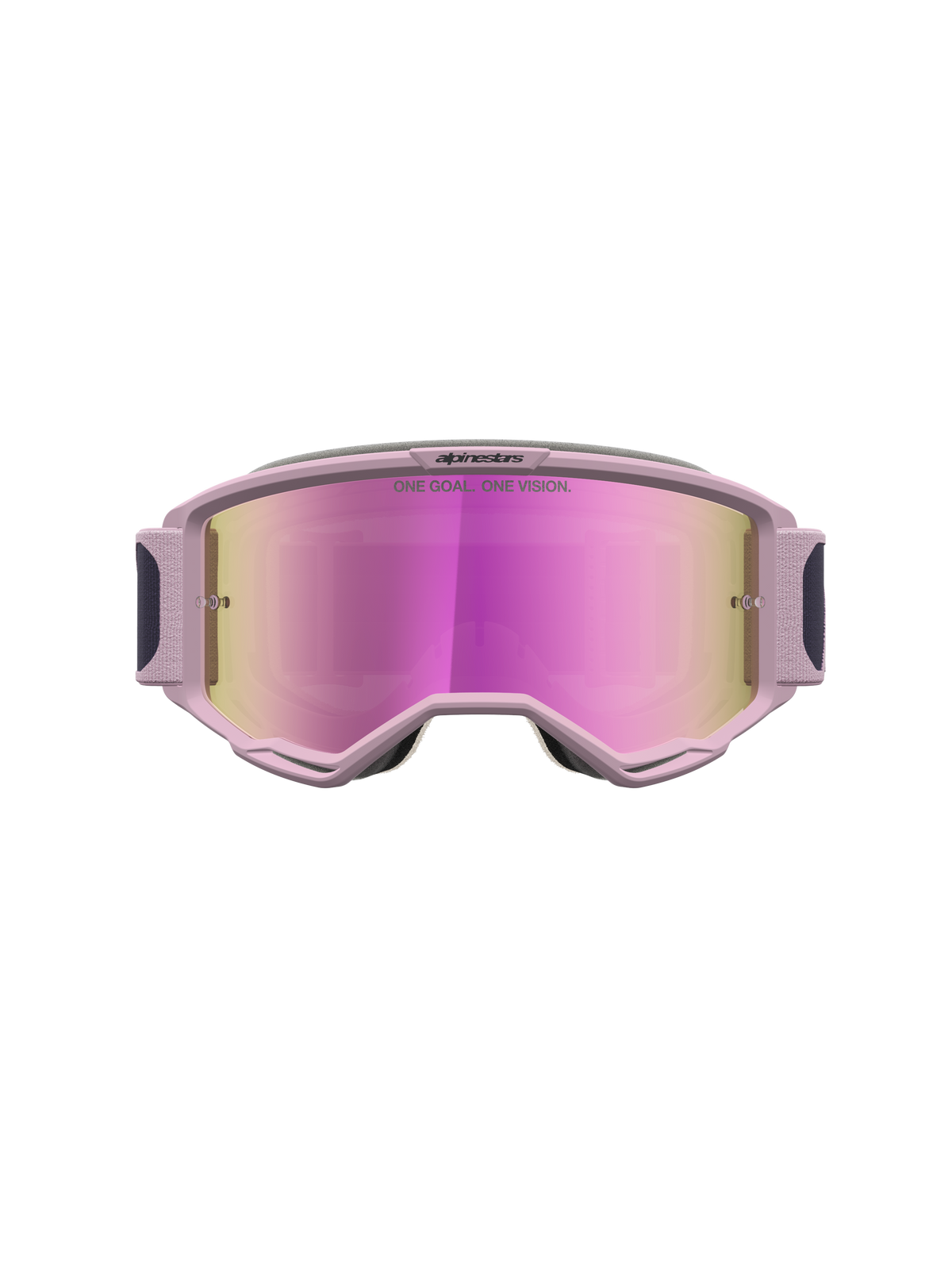


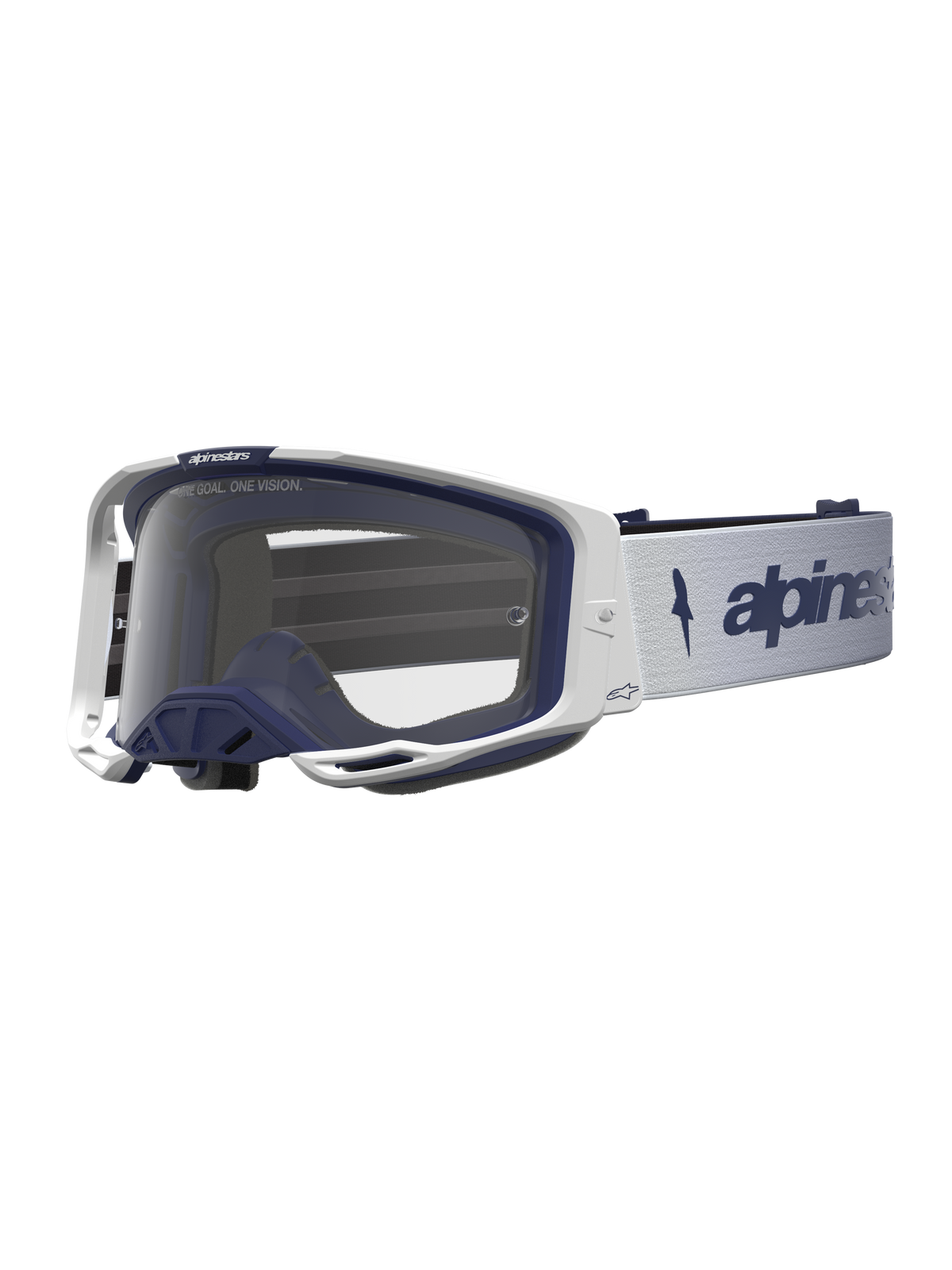


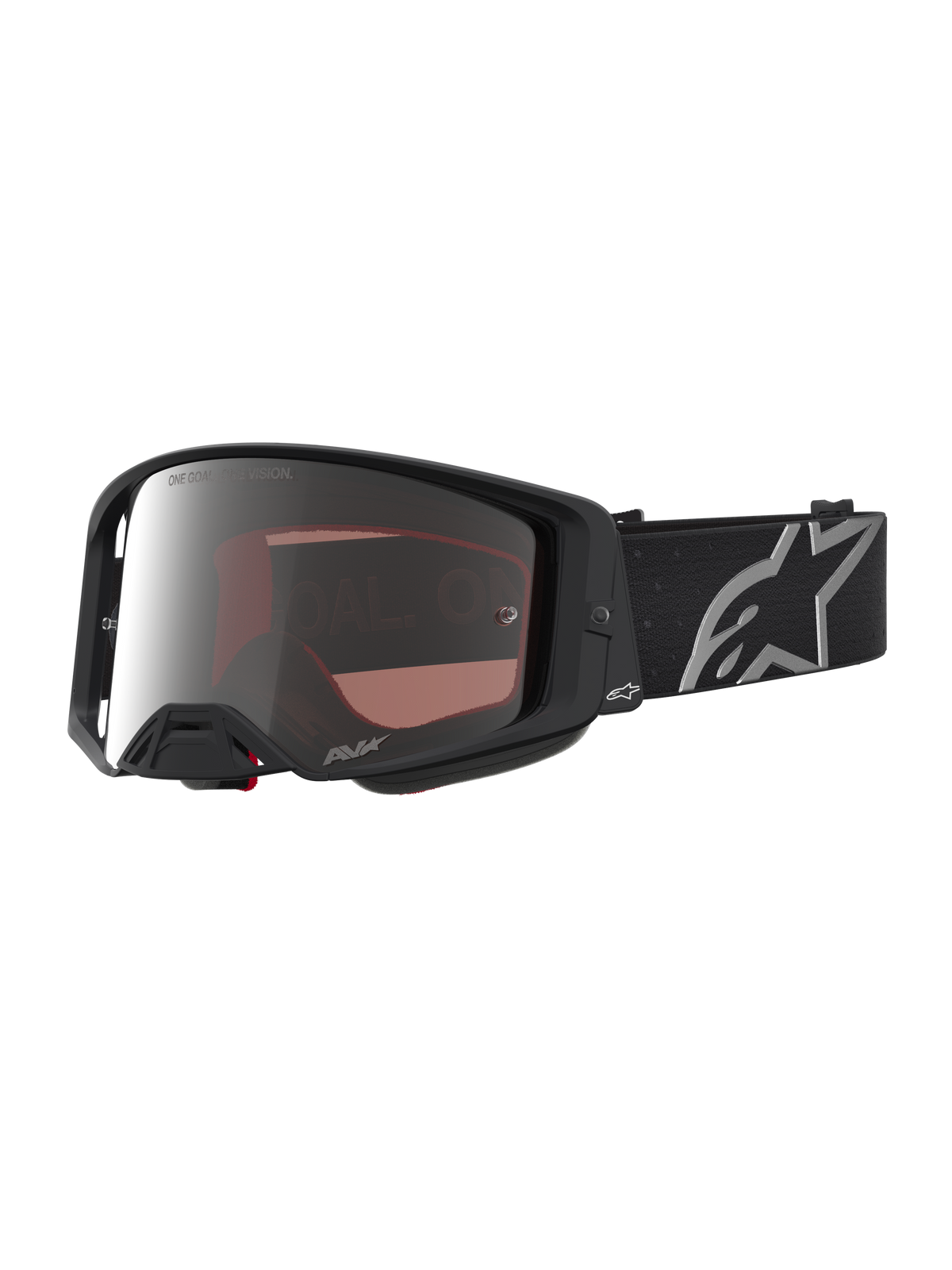


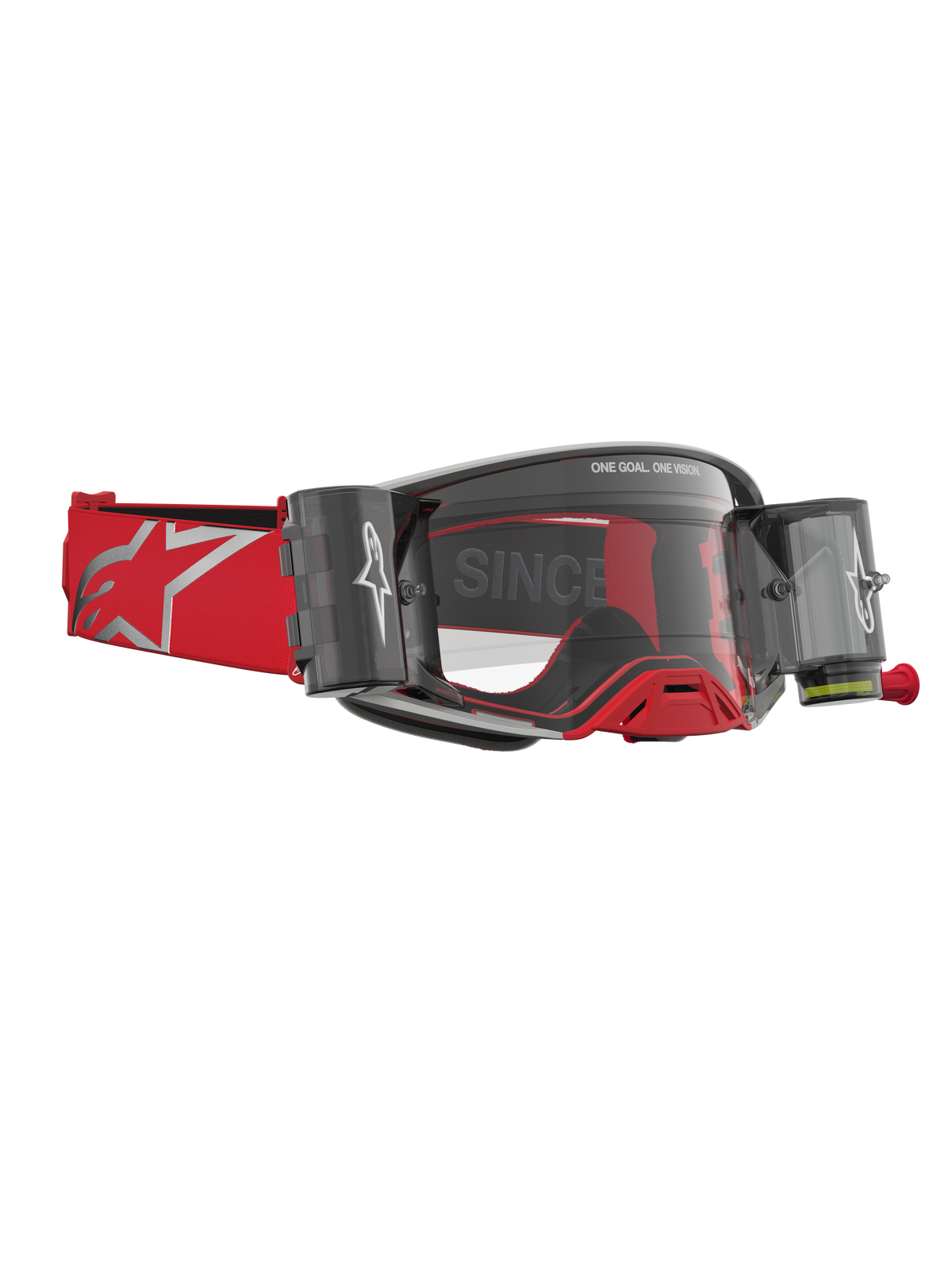

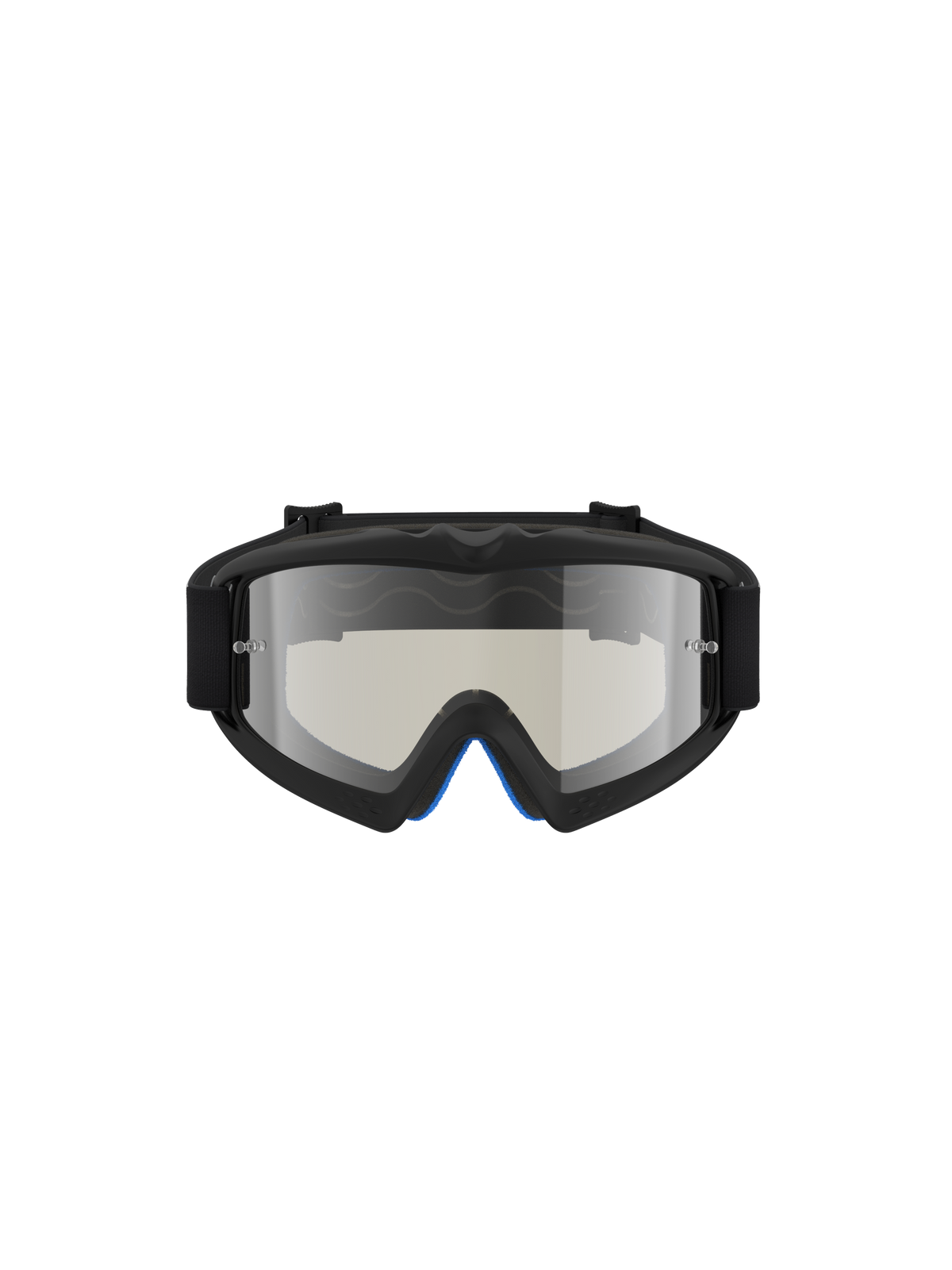

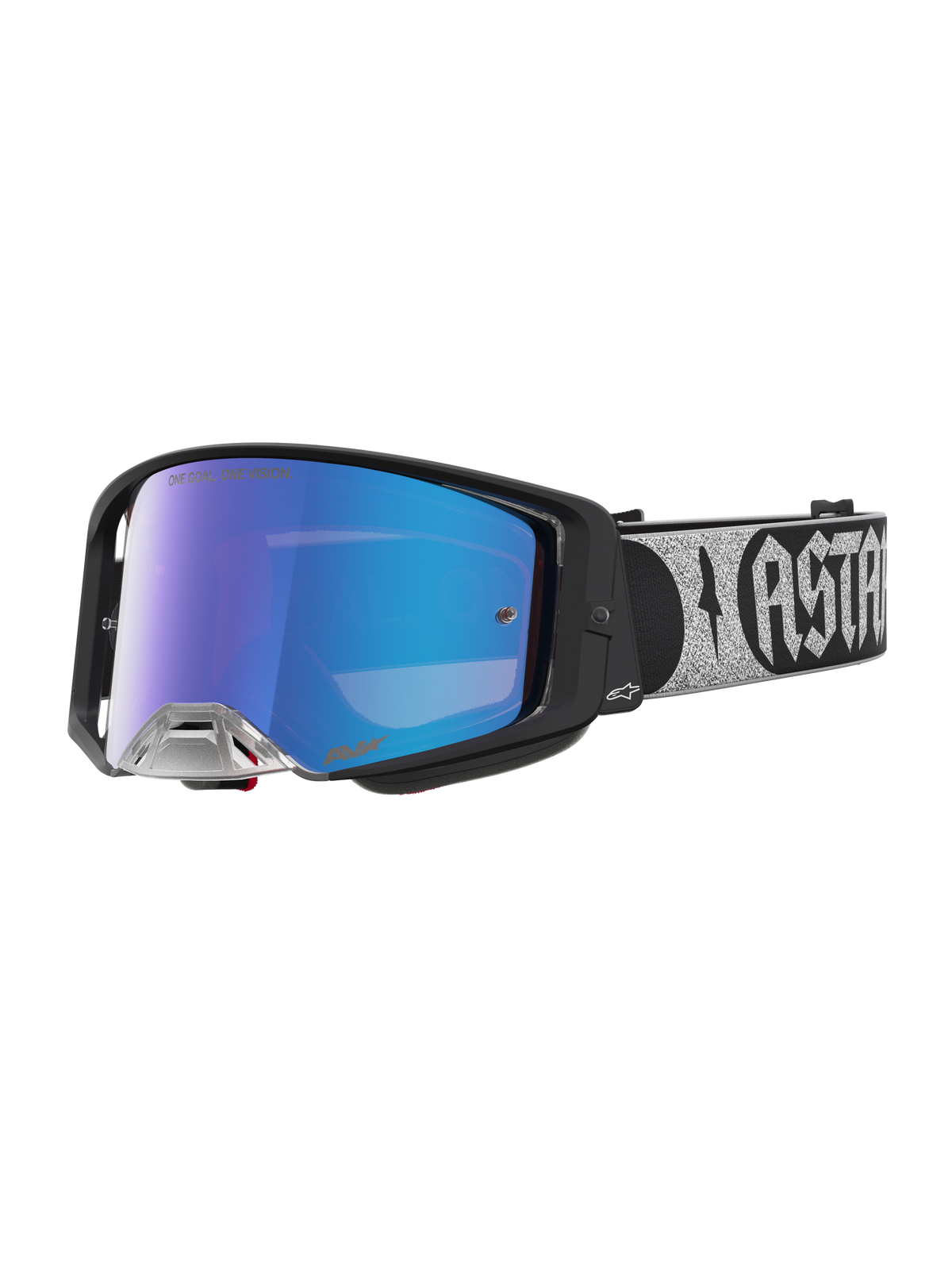
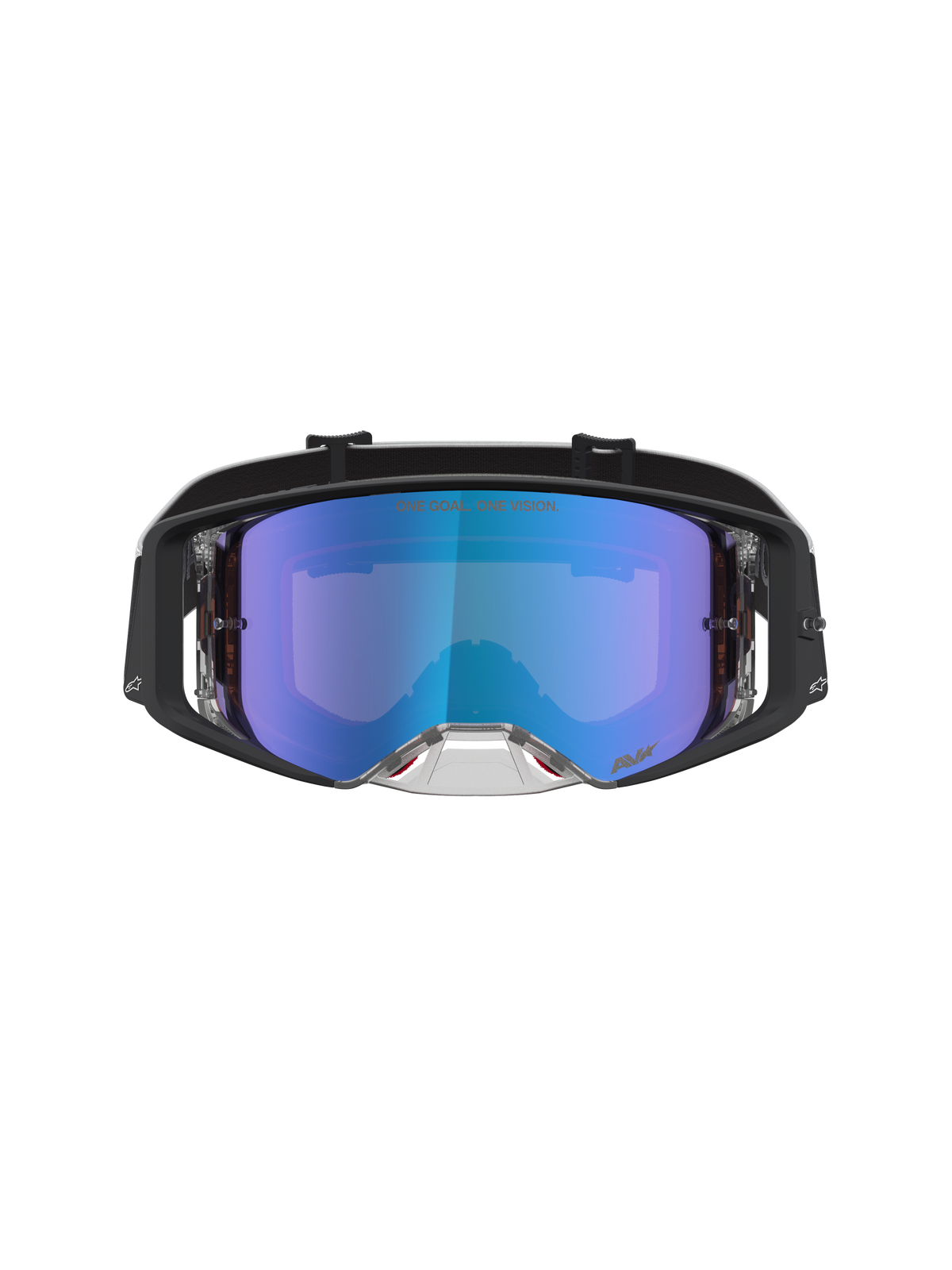
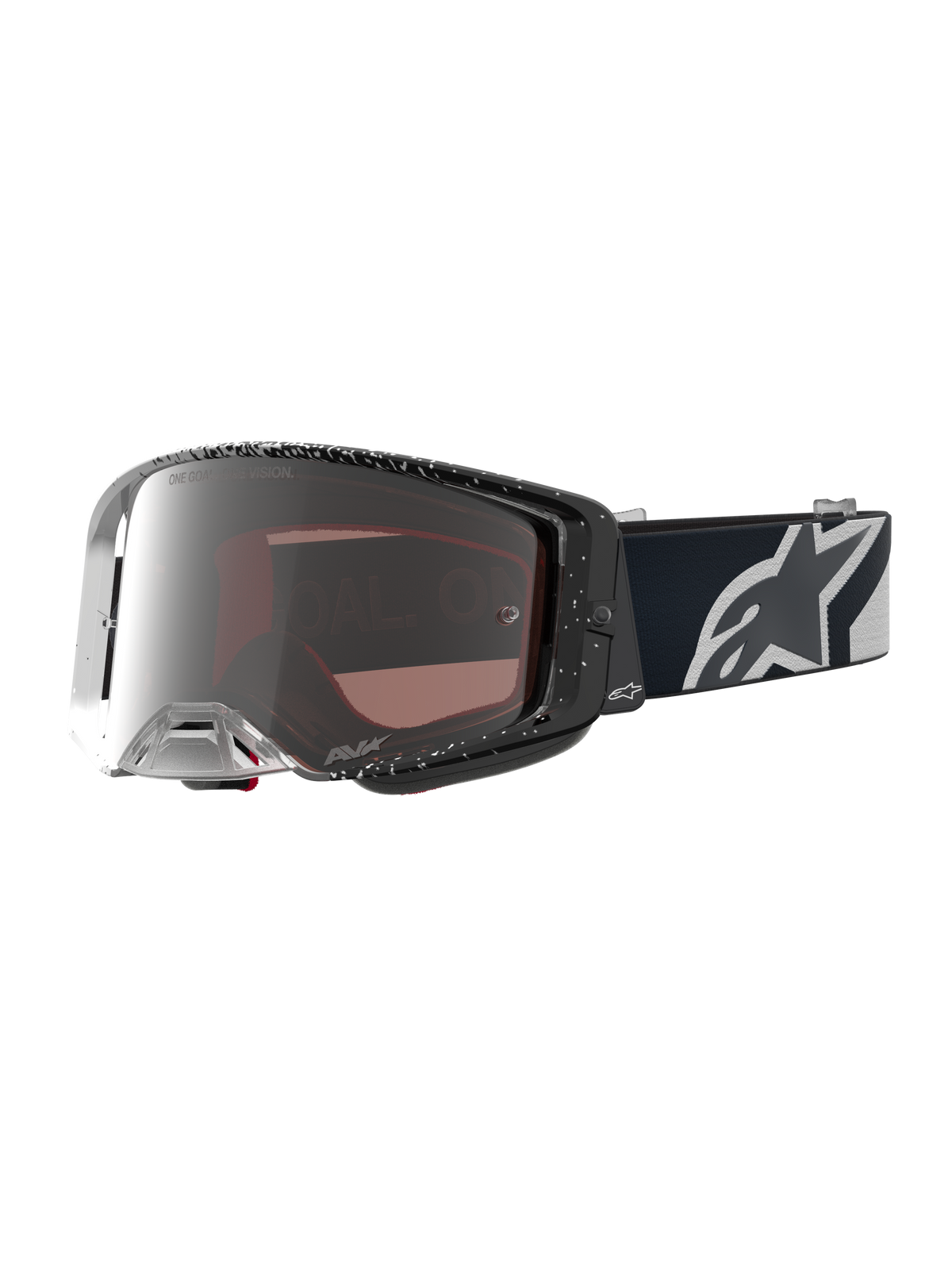
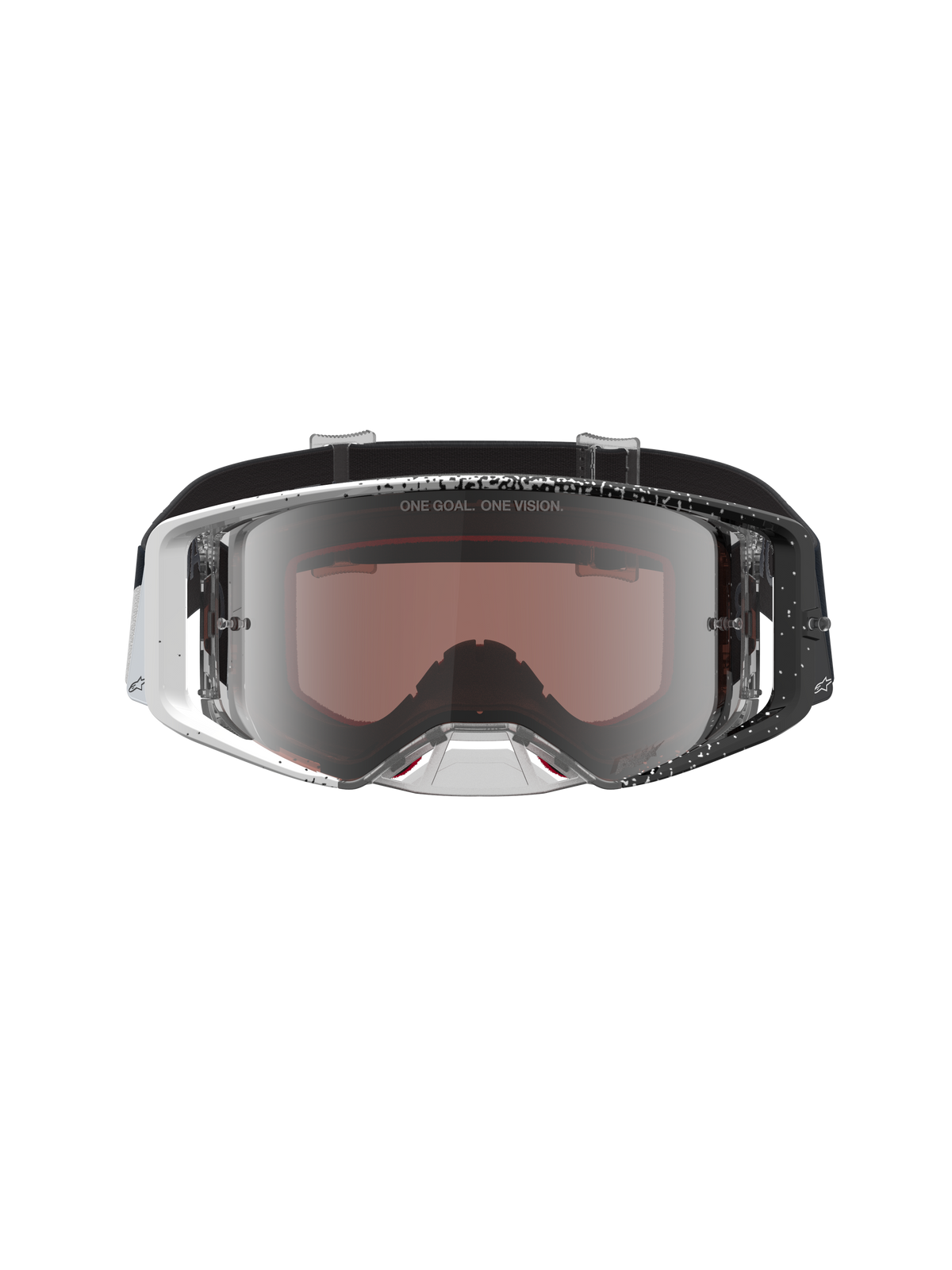











Frequently asked questions Hide FAQs
What are motocross goggles designed for, and what can I find in this collection?
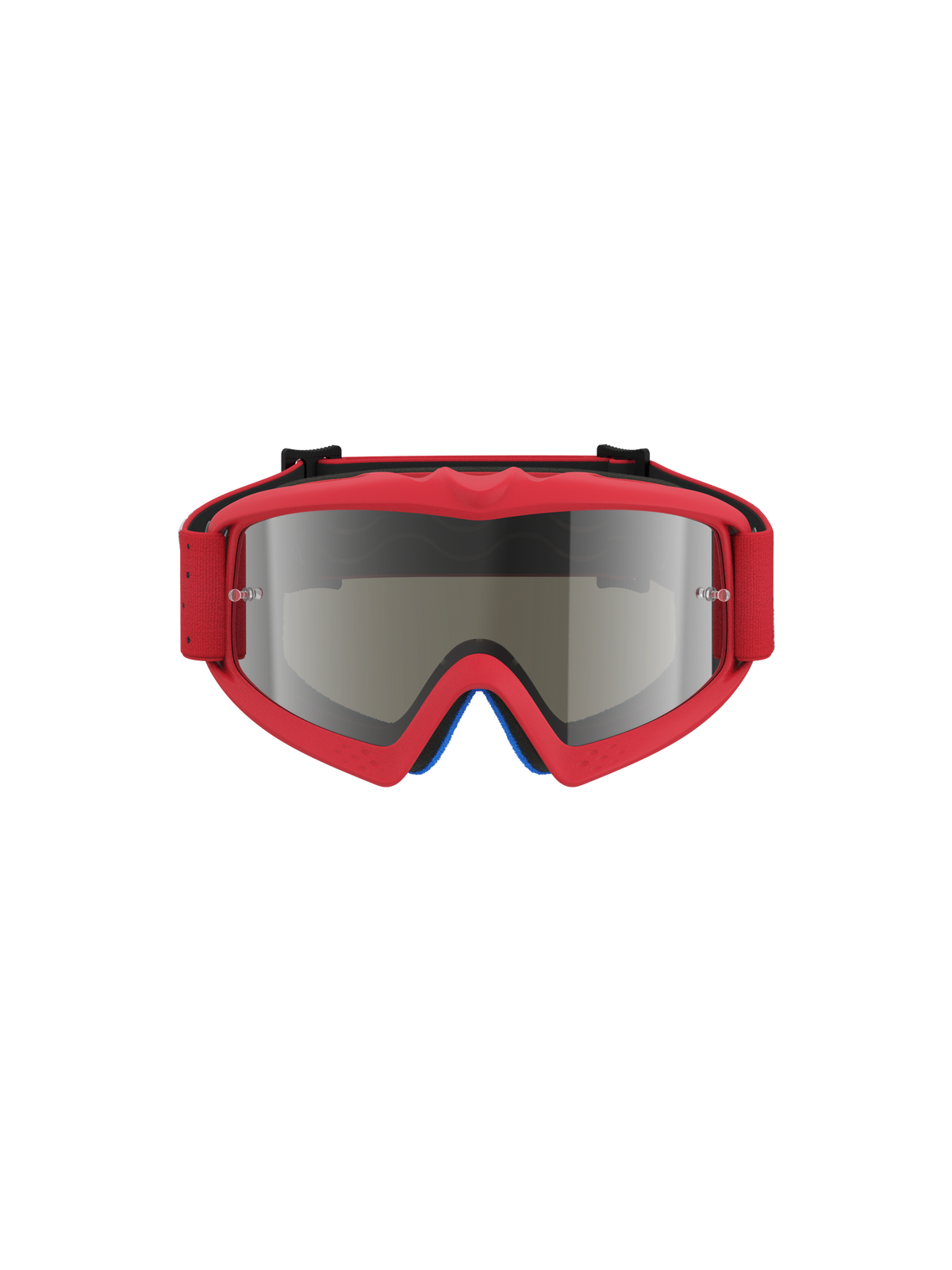
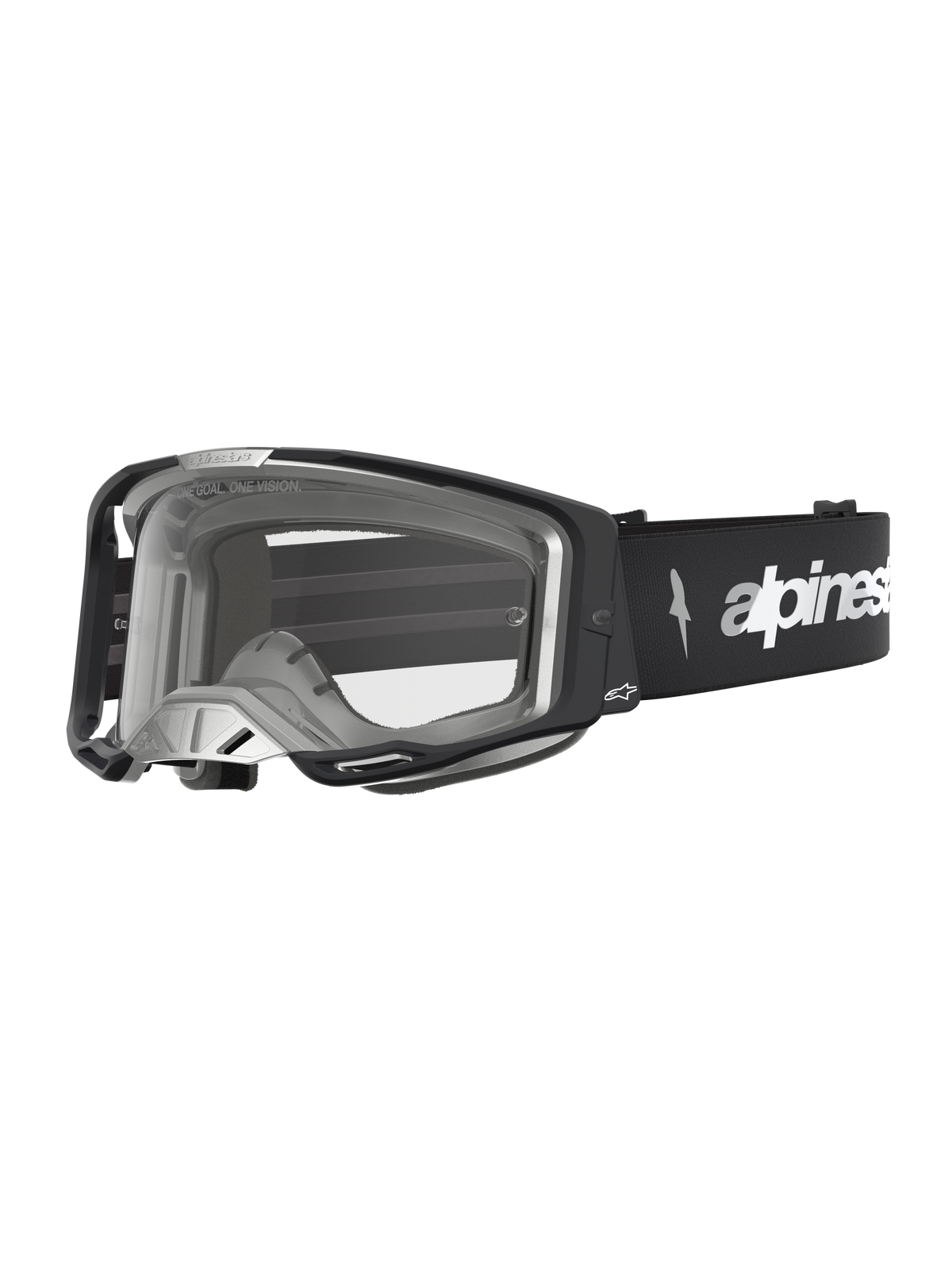
Motocross goggles are built to protect the eyes from roost, dust, mud, wind, and UV exposure while maintaining clear vision on track, trail, and off-road terrain. Compared with casual eyewear, MX goggles use a sealed frame, impact-resistant lens construction, face foam, and a strap system designed to stay stable inside an off-road helmet eye port.
This collection typically includes complete motocross goggles as well as goggle accessories such as replacement lenses, tear-offs, roll-off components, straps, and related service parts. That allows riders to choose a setup for changing light, weather, and track conditions without moving outside the category.
How should motocross goggles fit with an MX helmet?
Motocross goggles should fit securely against the face with even foam contact around the eye area and no major gaps at the cheeks or brow. The frame should sit naturally in the helmet eye port without excessive pressure on the nose, and the strap should hold the goggle in place without needing to be over-tightened.
The best check is to try goggles with your riding helmet, not by themselves. A correct fit gives a stable seal, consistent field of view, and enough airflow to help reduce fogging. If the frame shape fights the helmet opening, tightening the strap usually does not solve the issue and can reduce comfort and ventilation.
Should I choose tear-offs or a roll-off system for motocross goggles?
Tear-offs are usually the simpler choice for motocross in dry, dusty, or moderately muddy race conditions. They add stacked outer films that can be pulled away quickly when the lens gets covered by roost, helping keep the setup light and uncomplicated.
Roll-off systems are generally better for sustained mud, rain, and very wet conditions because they provide repeated clears without removing multiple films by hand. The right option depends on the terrain and the goggle platform, so riders should confirm that the lens and accessory system are made for the same model family before ordering.
Which motocross goggle lens color is best for different riding conditions?
Lens choice depends mainly on available light and how much contrast you need to read terrain changes. Clear lenses are the standard option for low light, overcast riding, night use, or heavily wooded sections. Smoke or darker tints are typically better in bright sun because they reduce glare and eye strain.
Amber, yellow, and other contrast-enhancing tints are often chosen for flat light or mixed conditions because they can make ruts, bumps, and shadows easier to read. Mirrored or specialty lenses are more sun-focused, while riders who see frequent weather changes often keep multiple replacement lenses available for quick swaps.
Are motocross goggle lenses, tear-offs, and roll-off parts universal?
No. Replacement lenses, tear-offs, roll-off films, and other goggle accessories are usually model-specific rather than universal. Fit depends on frame shape, lens curvature, attachment points, and the exact tear-off or roll-off interface used by that goggle design.
Before buying accessories, match them to the same goggle family named on the product page. This is especially important for tear-off posts, wide-vision systems, dual-pane lenses, and roll-off kits, where similar-looking parts may not seat correctly or may reduce sealing and optical performance.
How do I clean and maintain motocross goggles without damaging the lens?
Let mud and grit soften before cleaning, then rinse gently with clean water and use a soft microfiber or lens-safe cloth. Avoid paper towels, harsh cleaners, solvents, and aggressive rubbing, as these can damage anti-fog and anti-scratch surface treatments.
Remove and clean accessories separately when needed, let the goggles air-dry fully, and store them in a clean protective bag or case. Regular cleaning of the lens, frame, foam, and strap helps preserve visibility, sealing, and long-term comfort.