
65 results
-
SP X 3 Gloves -
Mogress Airflow Gloves -
Stella SP X 1 Gloves -
FQ20 SMX-1 Air V2 Monster Gloves -
Honda SP X 3 Gloves -
SP X 3 Gloves -
Durack Gloves -
Stella SP X 1 Gloves -
Stella SP X 3 Gloves -
Stella Phenom Leather Air Glove -
Honda SP X 3 Gloves -
Stella SP X 3 Gloves -
Mogress Airflow Gloves -
Mogress Airflow Gloves -
MM93 Spx 1 Gloves -
Stella Mogress Airflow Gloves -
Stella SP X 3 Gloves -
Stella Mogress Airflow Gloves -
SP X 3 Gloves -
Mogress Airflow Gloves -
Stated Air Gloves -
Durack Gloves -
Stated Gloves -
Stella Mogress Airflow Gloves -
Stella Mogress Airflow Gloves -
Stated Gloves -
Stated Air Gloves -
MM93 Spx 1 Gloves -
Mogress Airflow Gloves

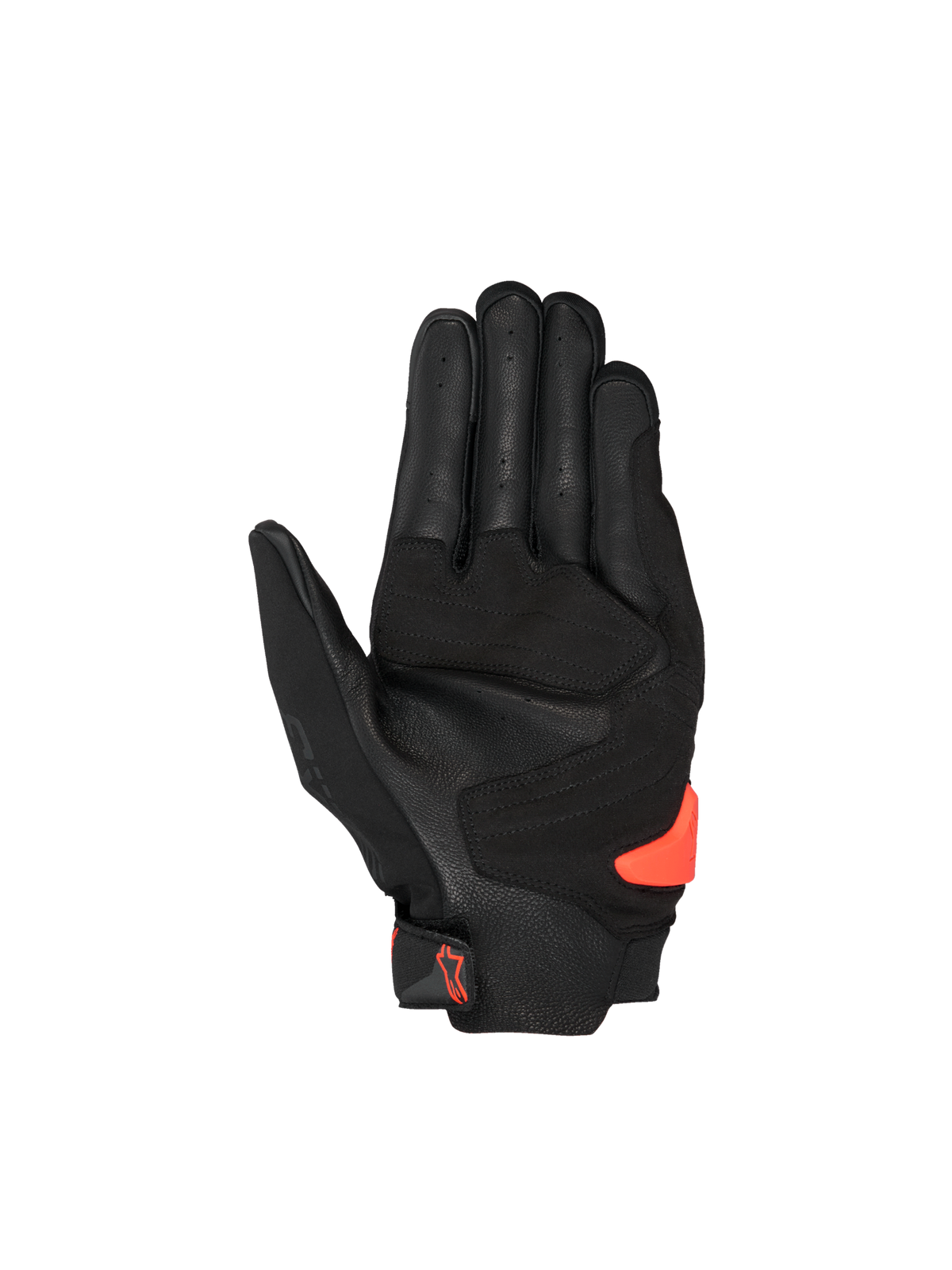


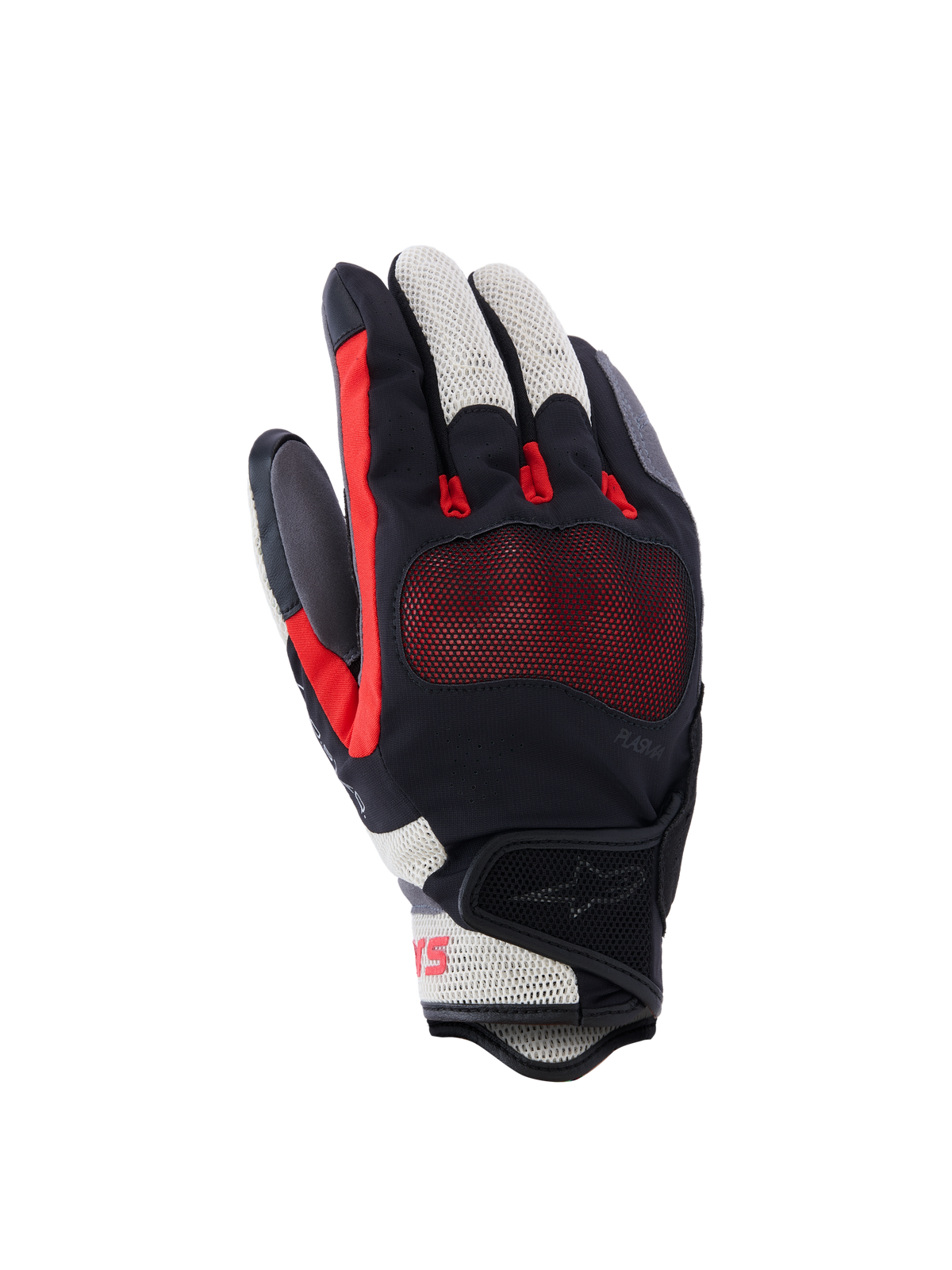


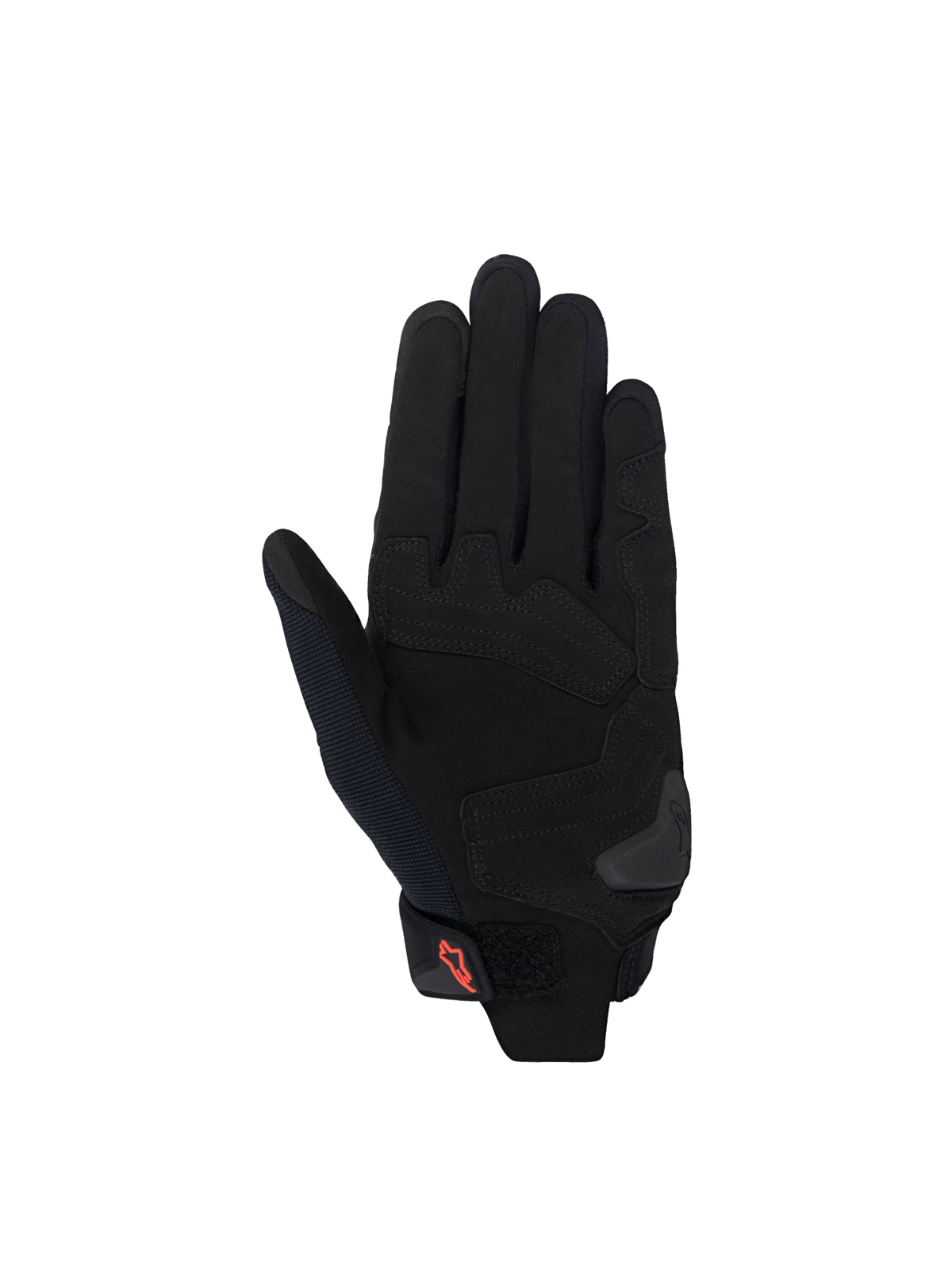


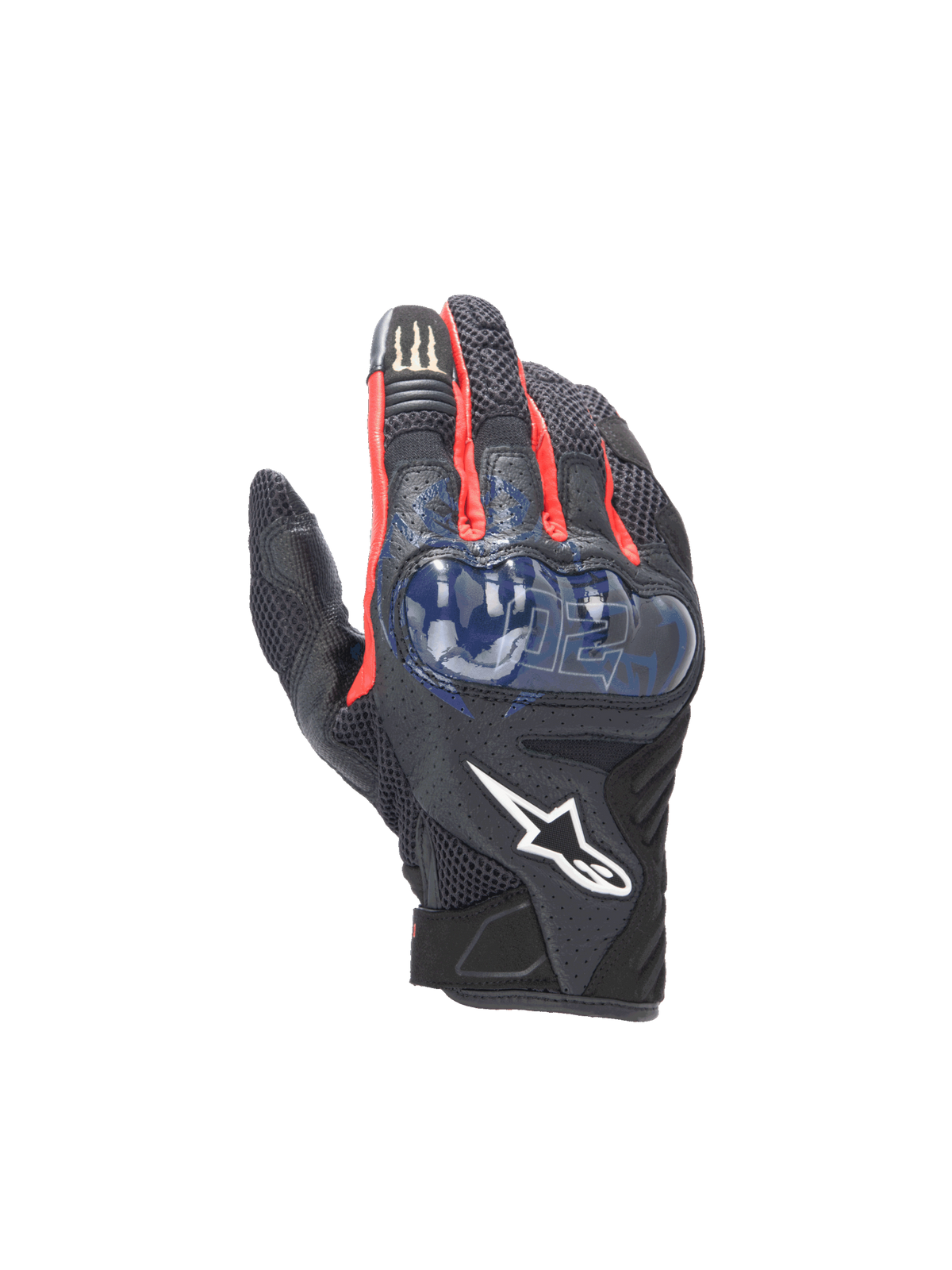
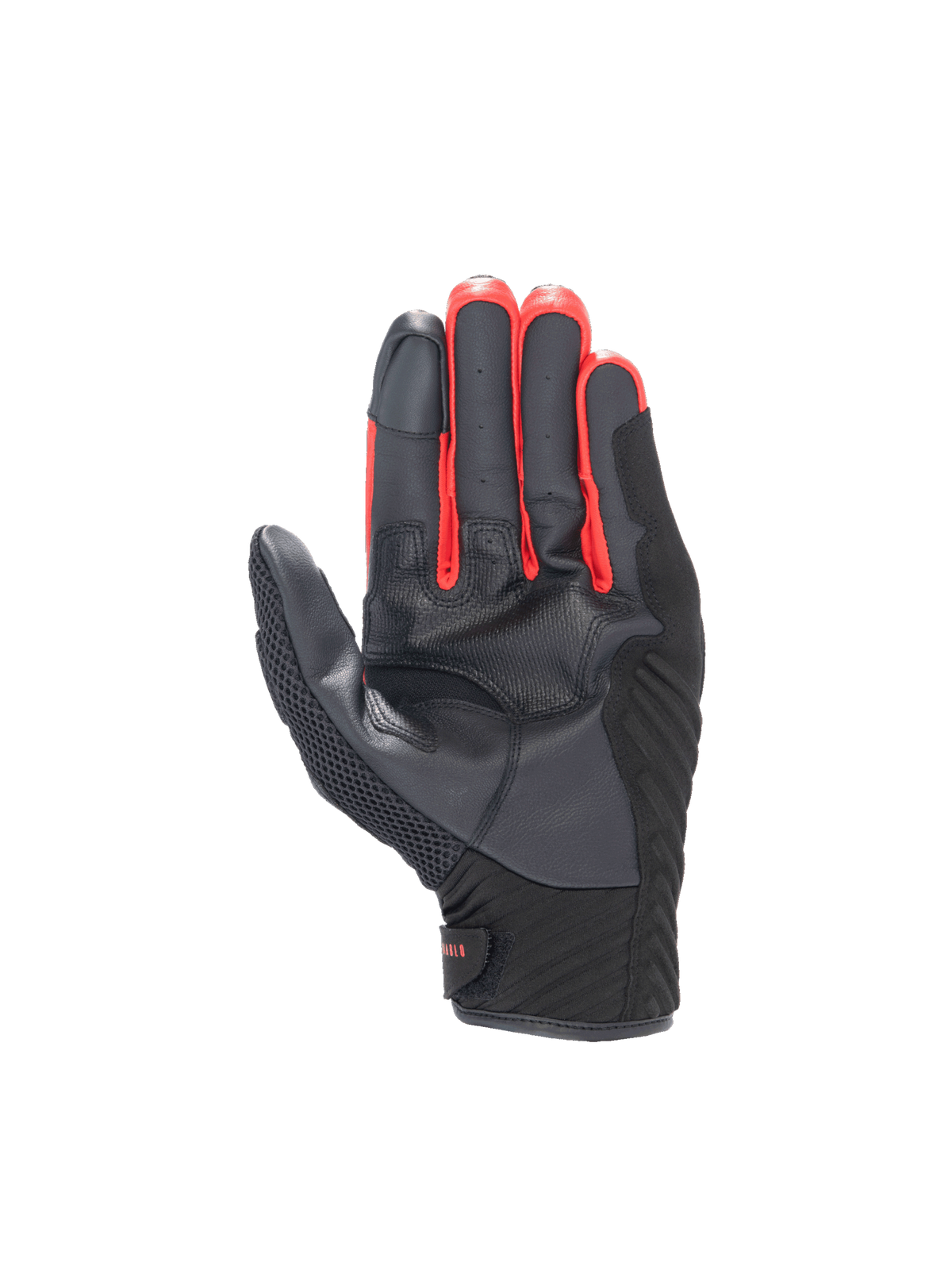


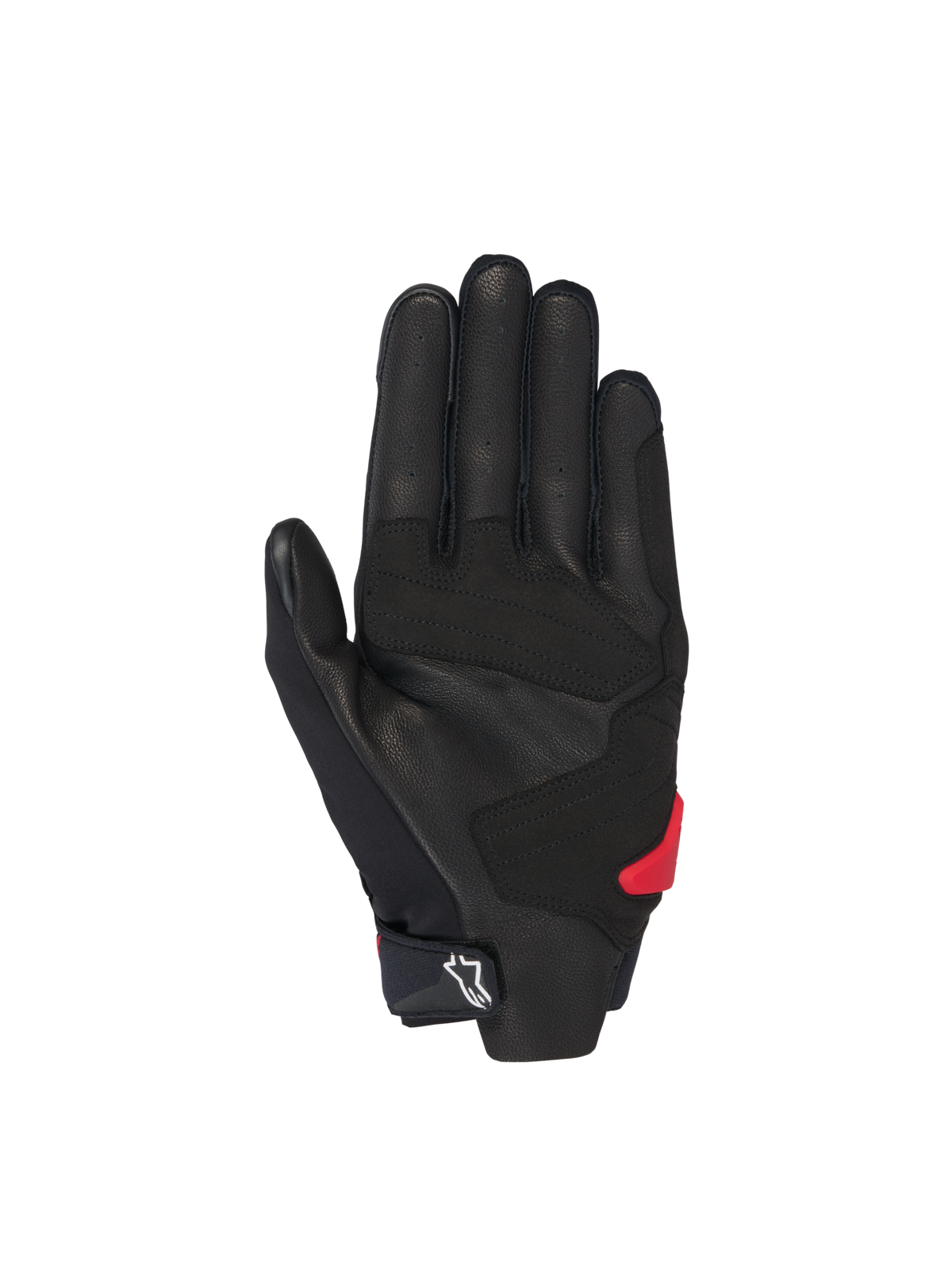


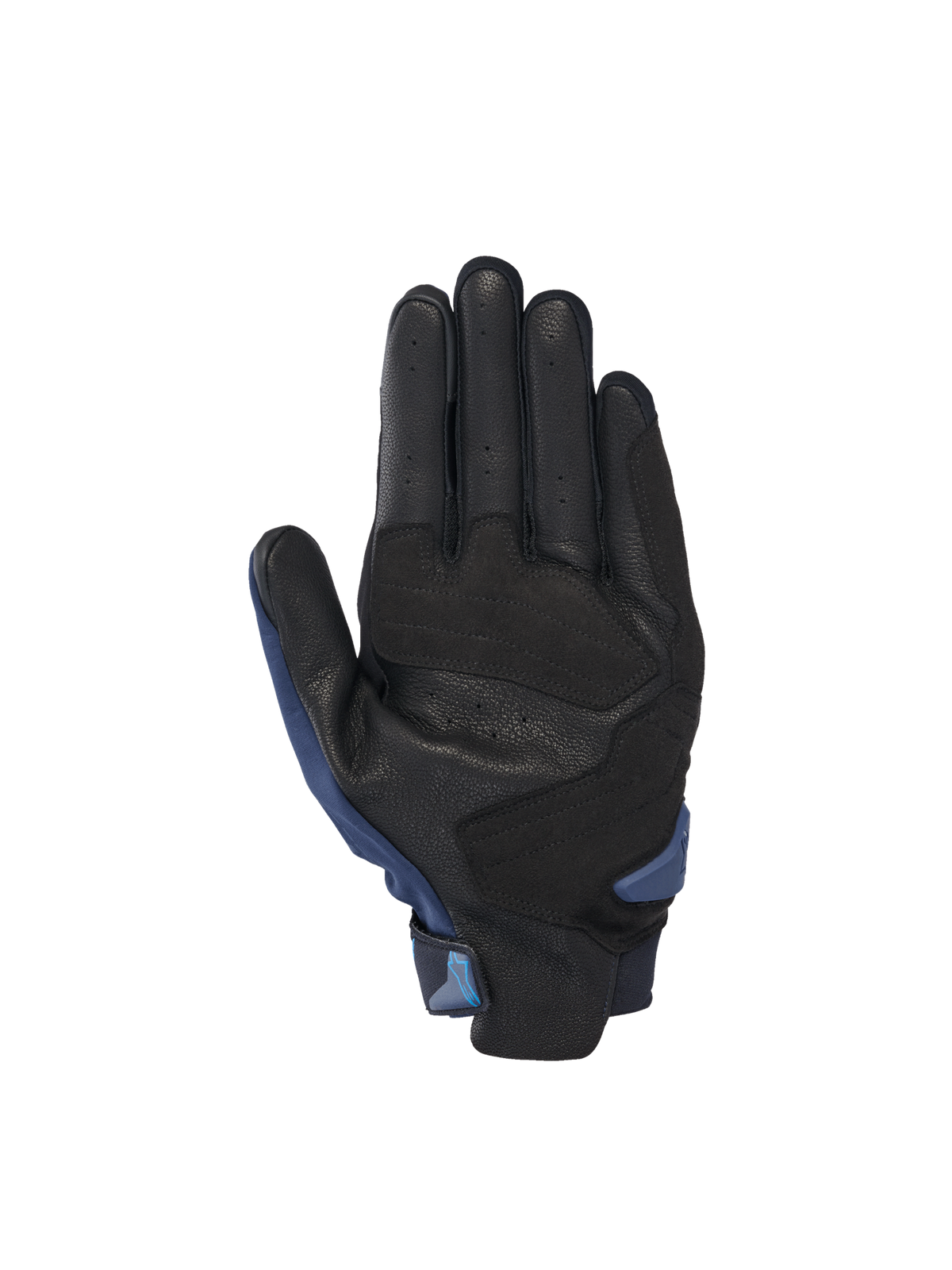

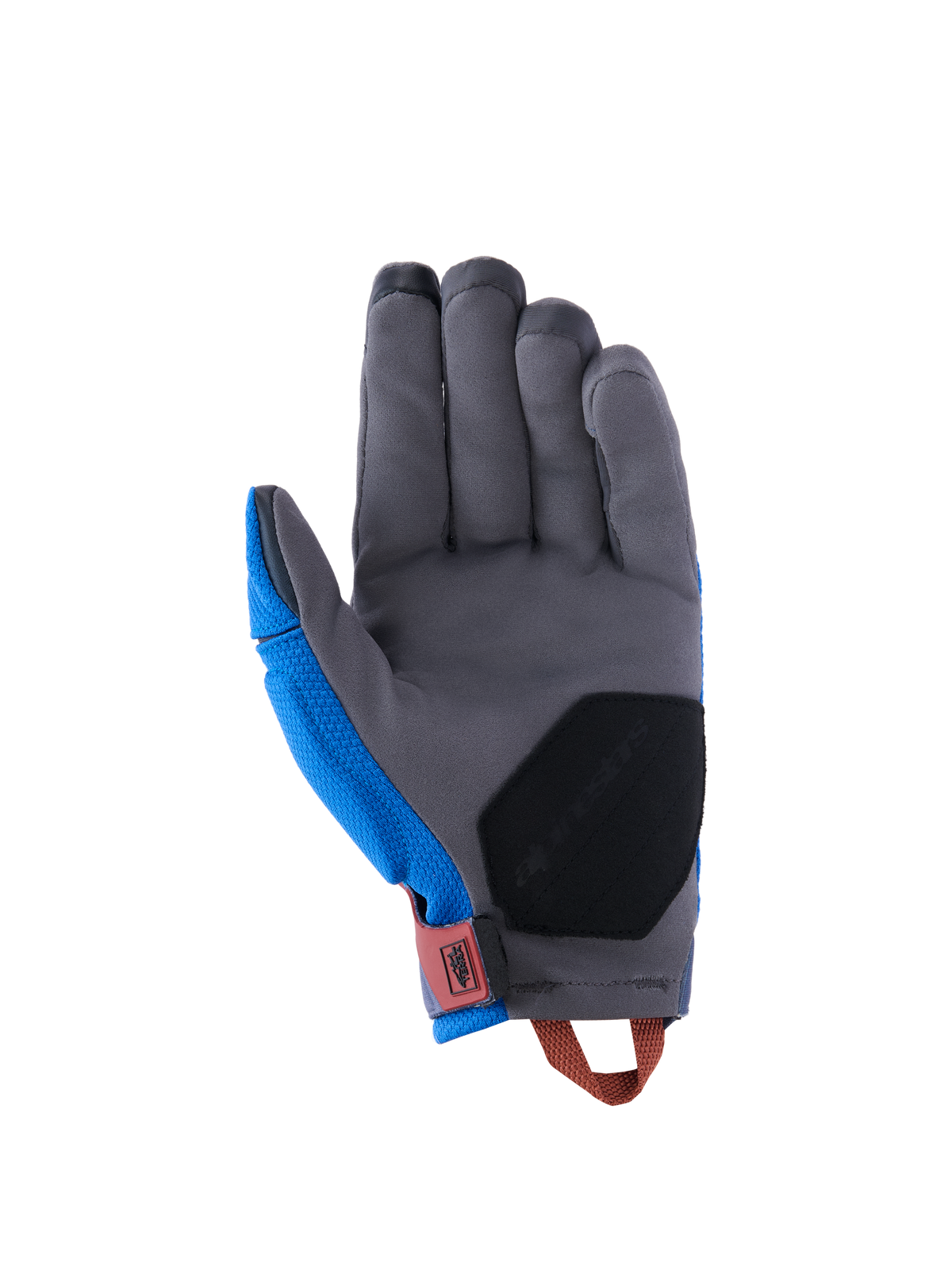


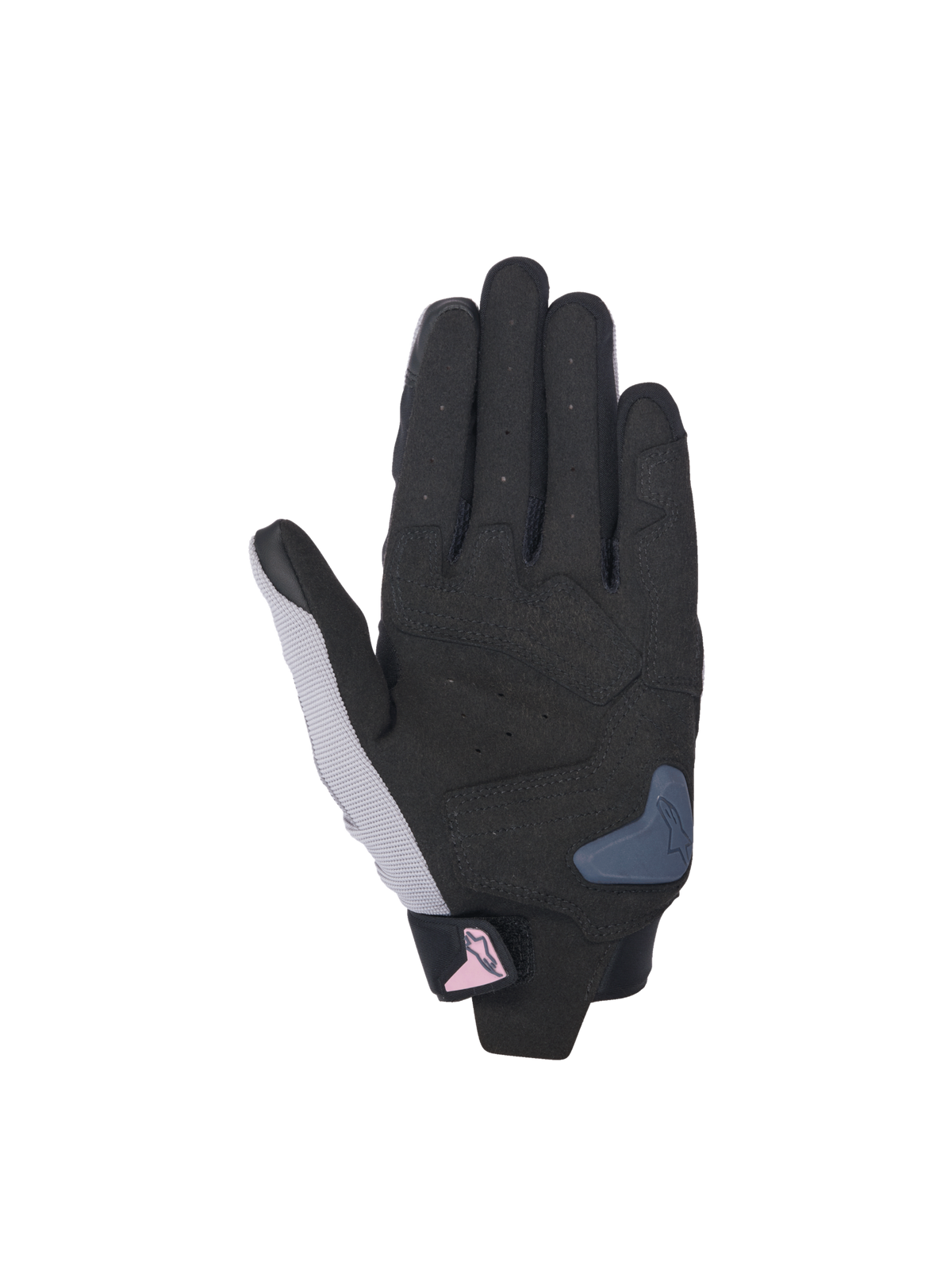

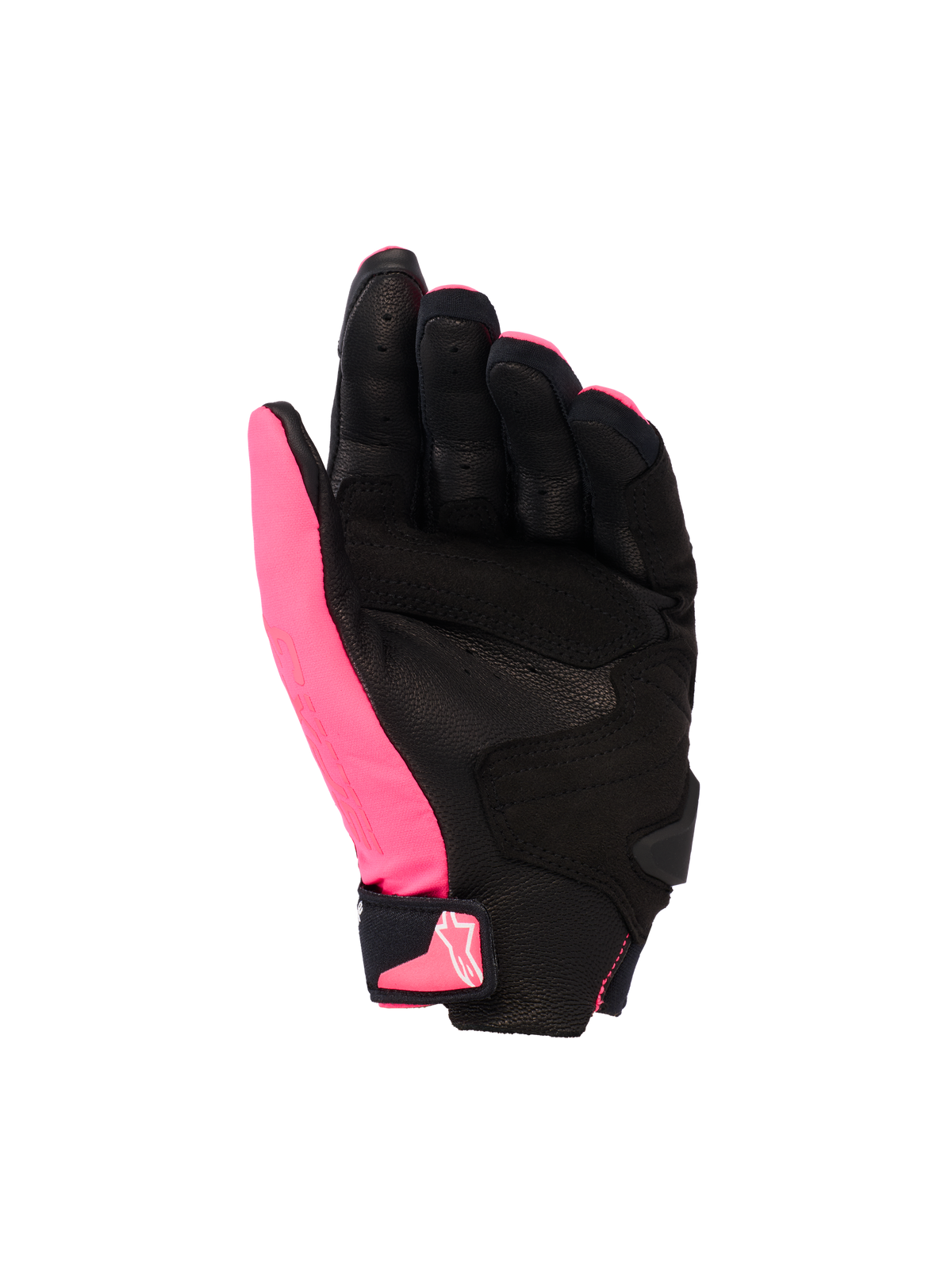


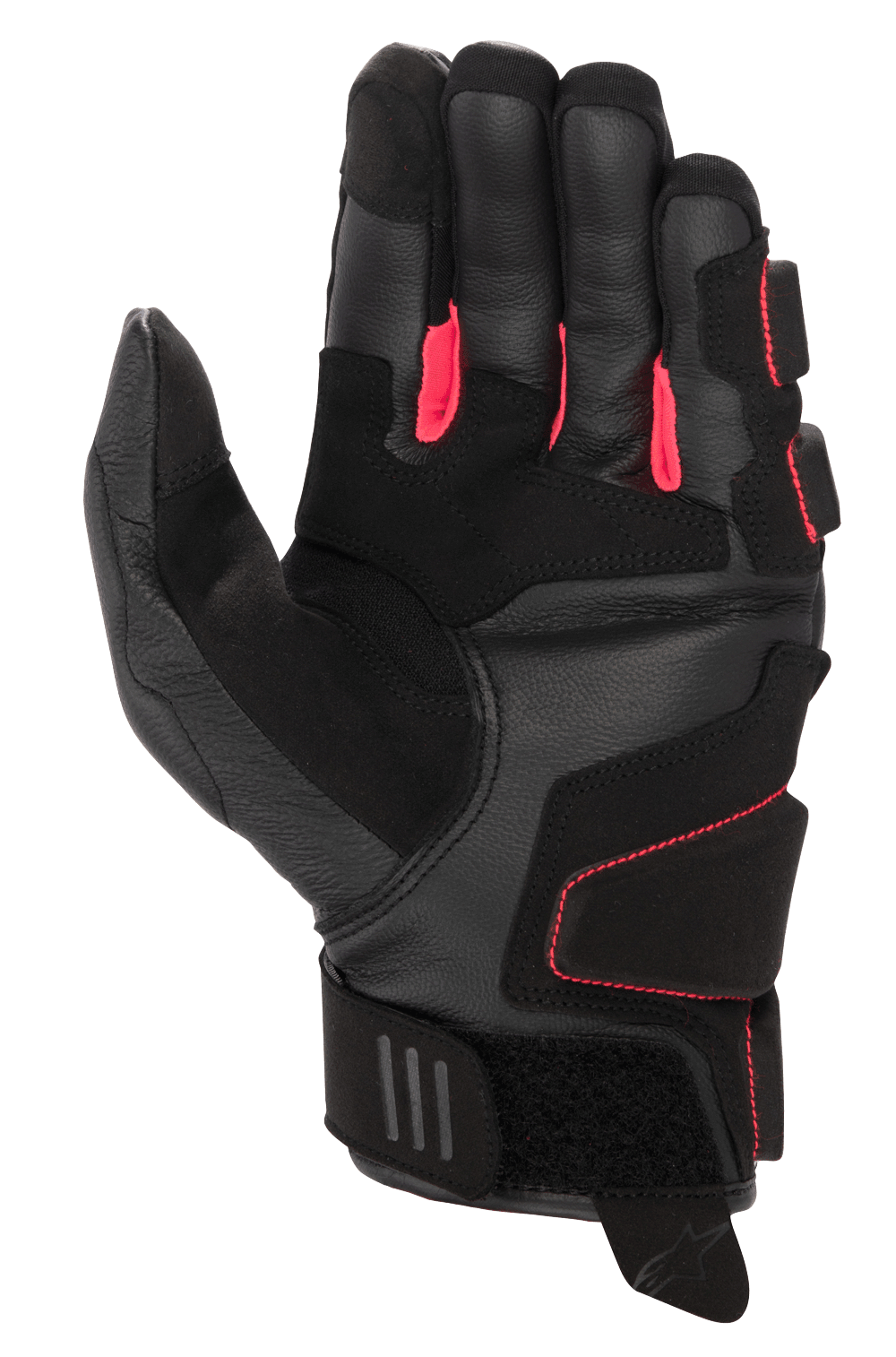


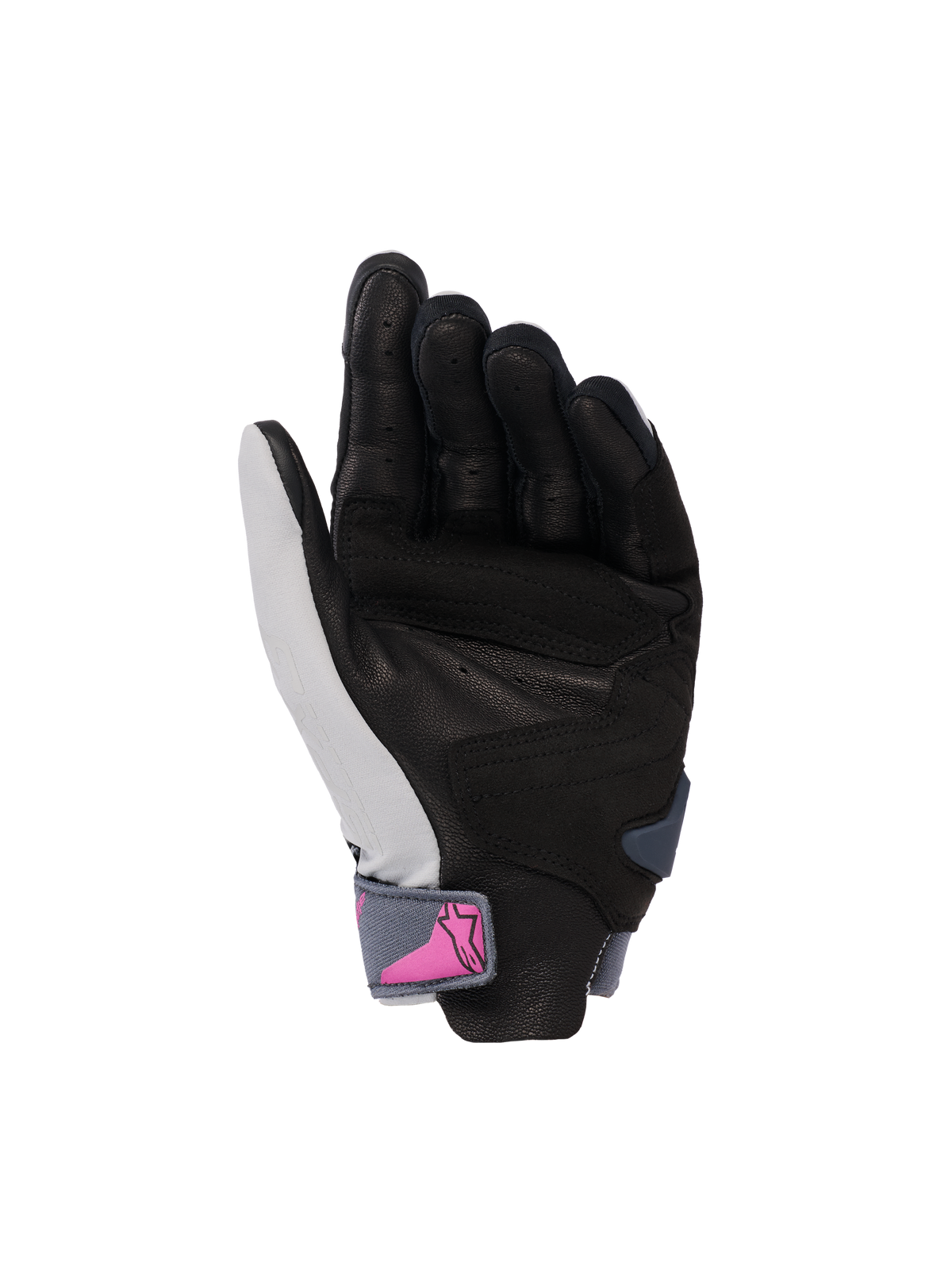






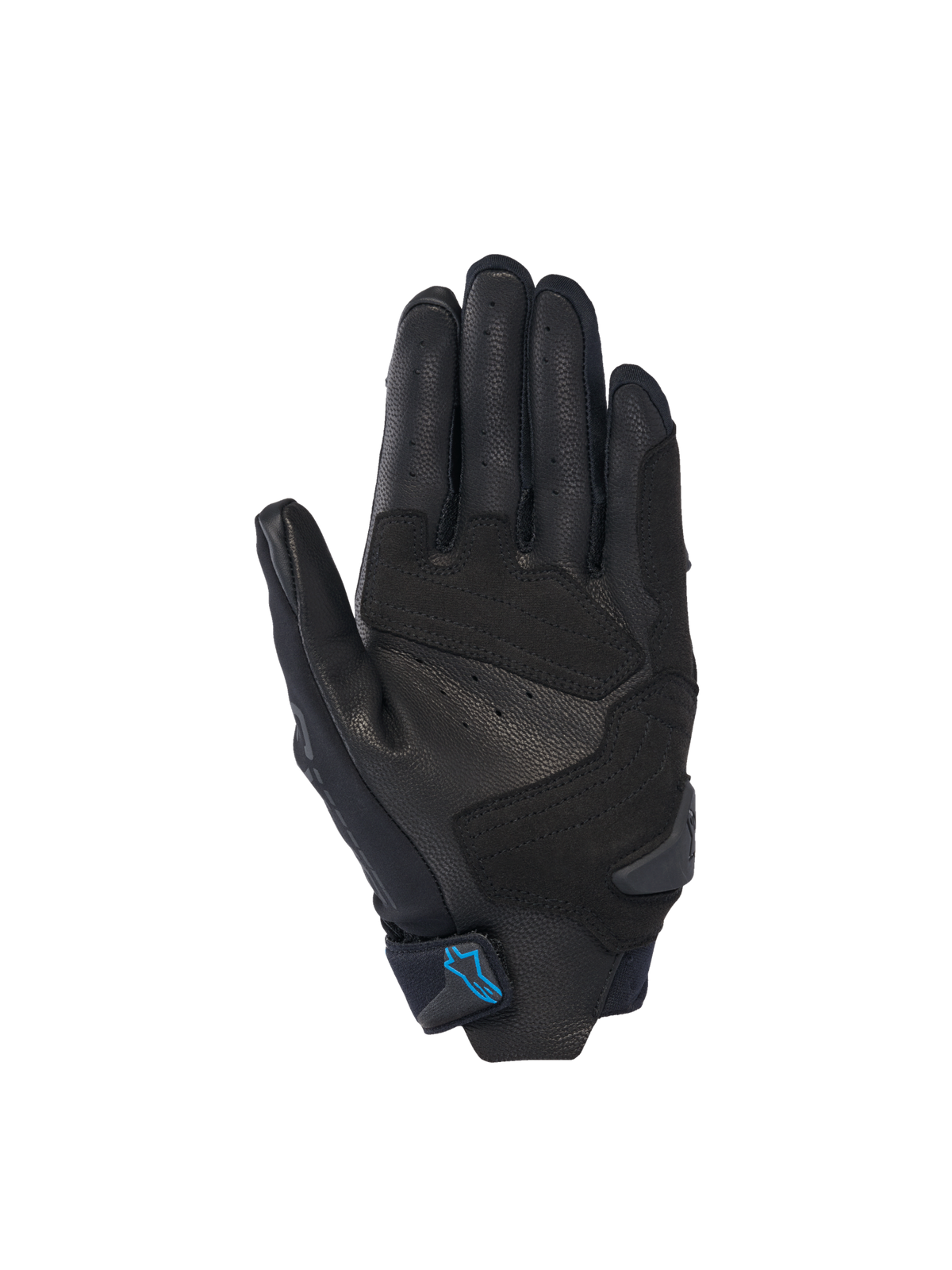

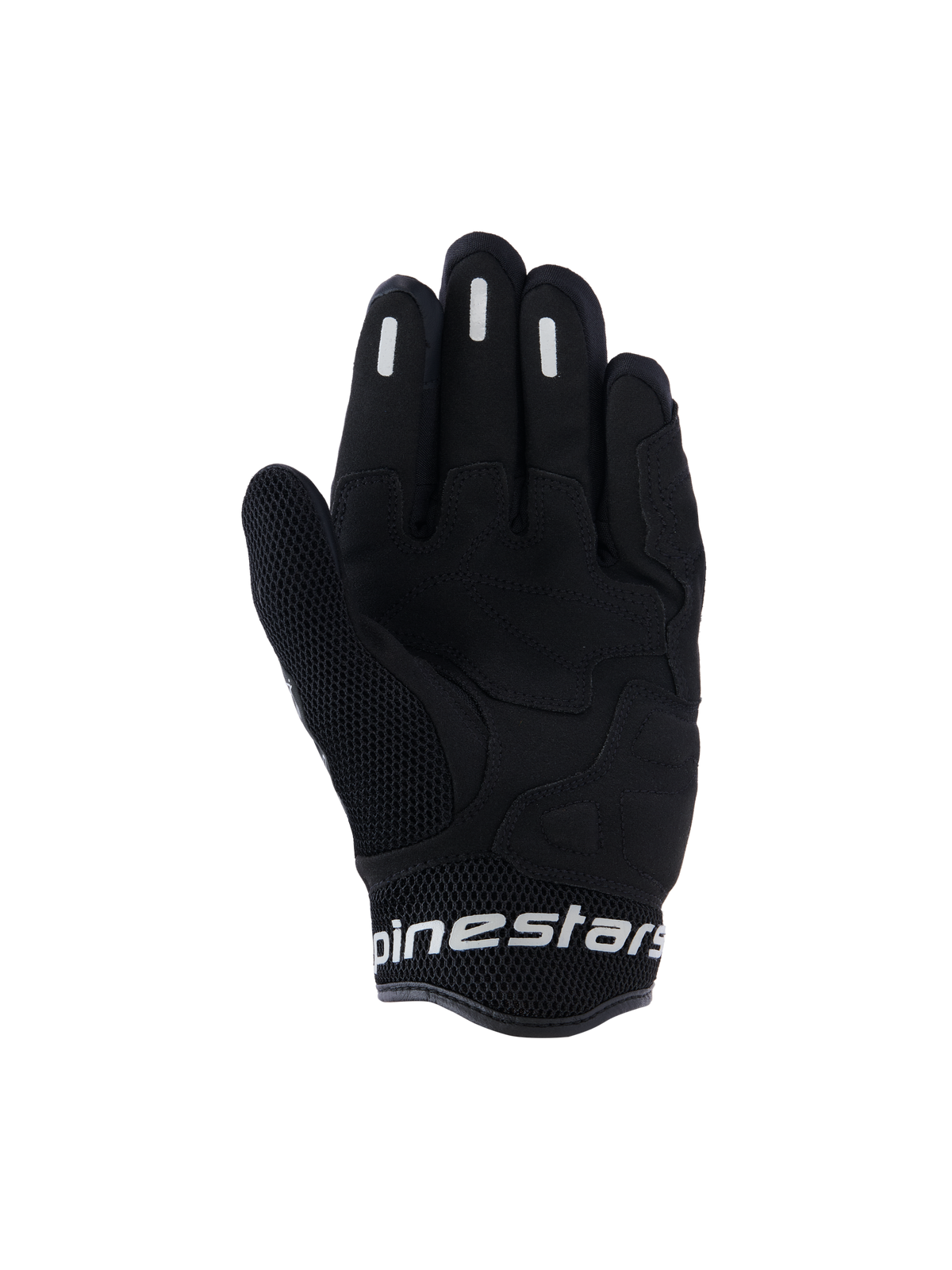

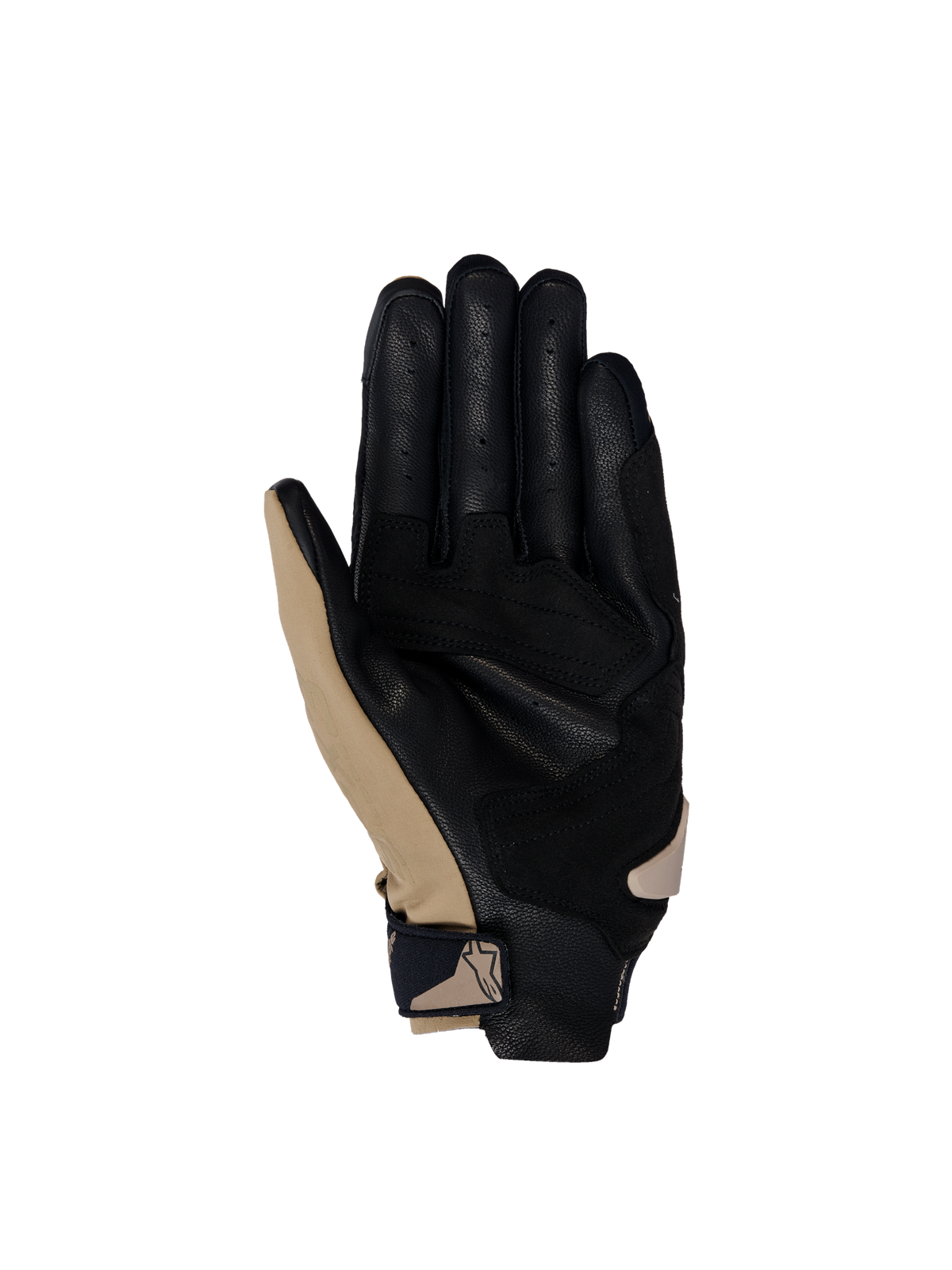

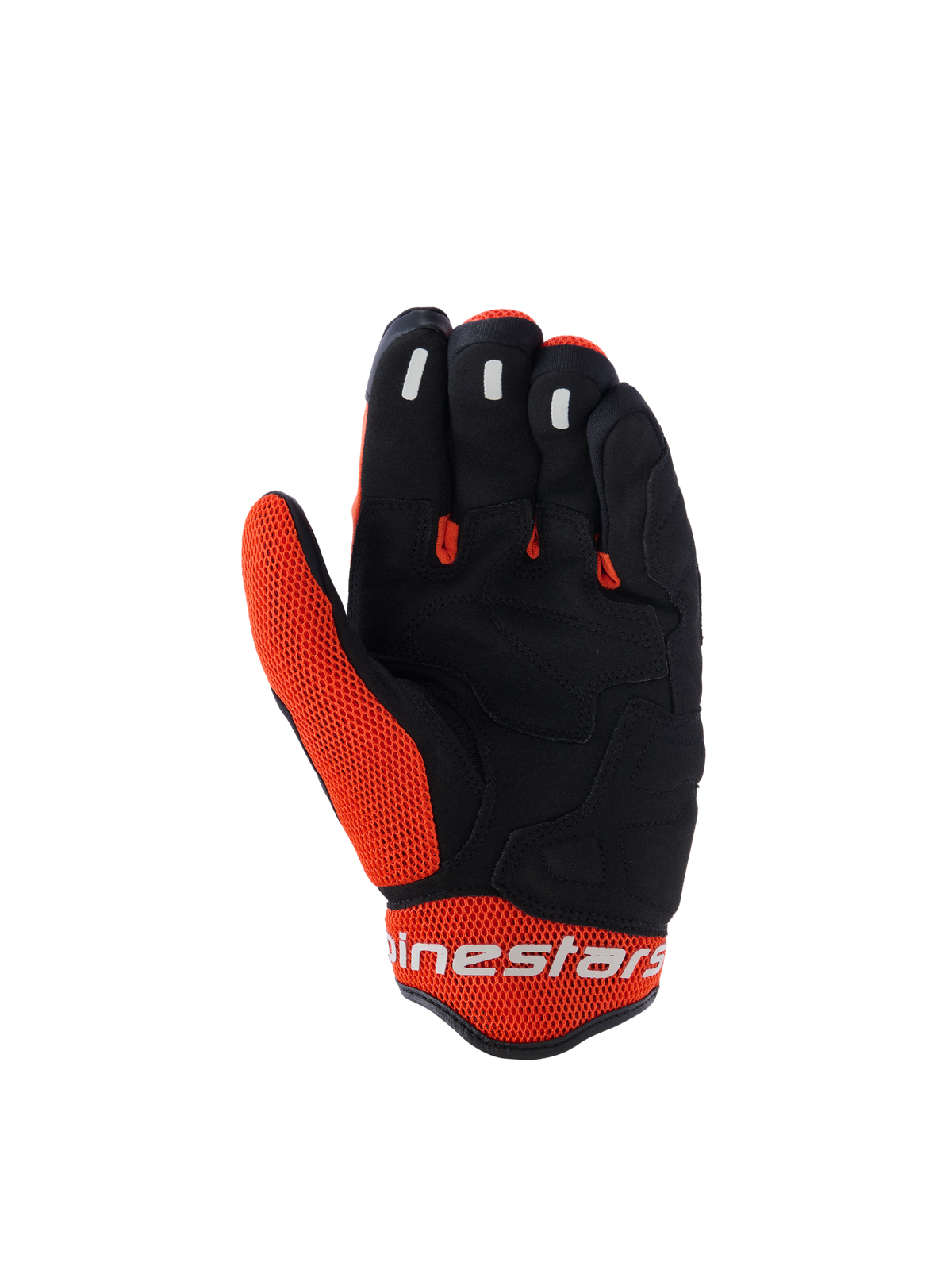


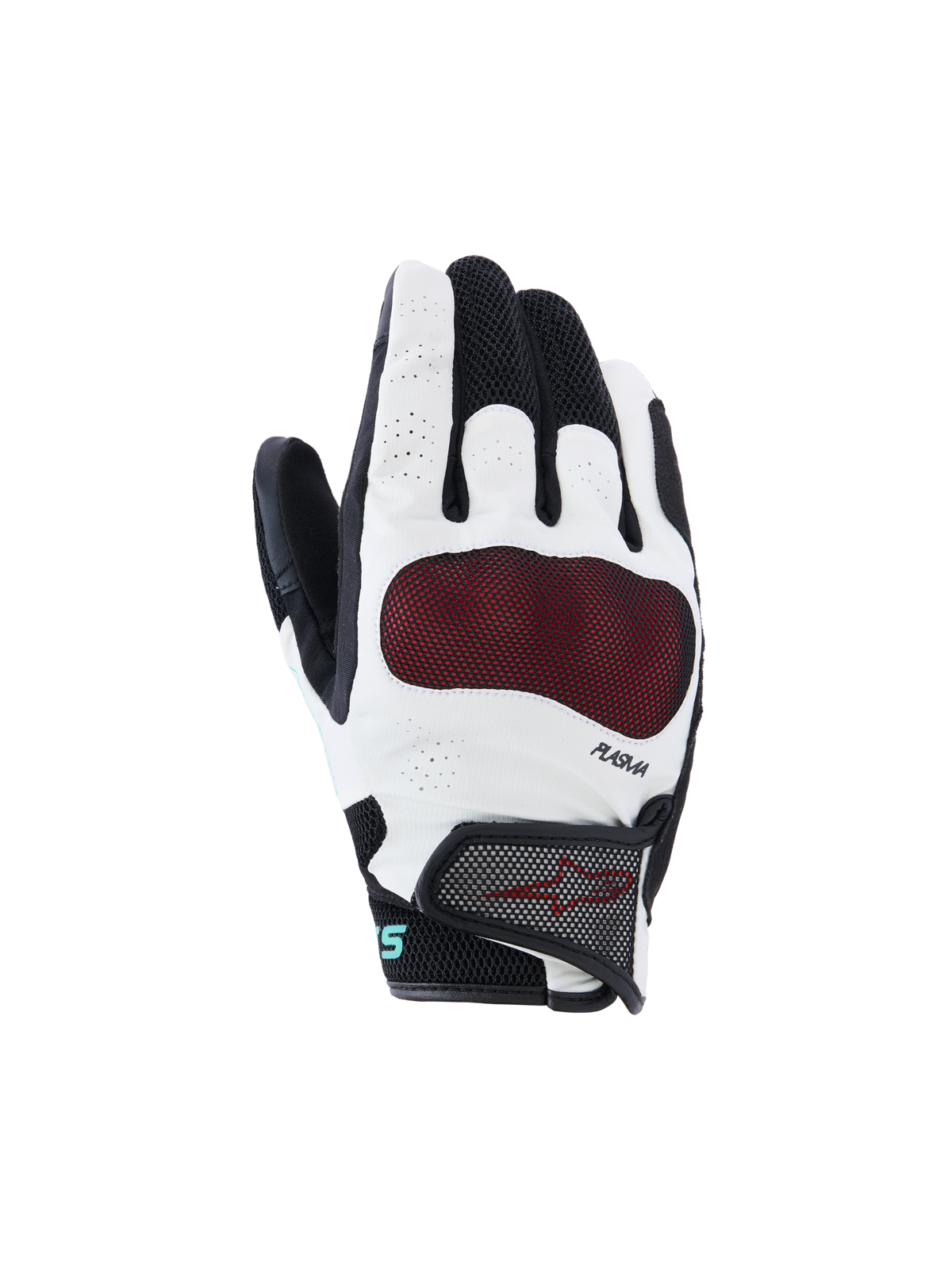
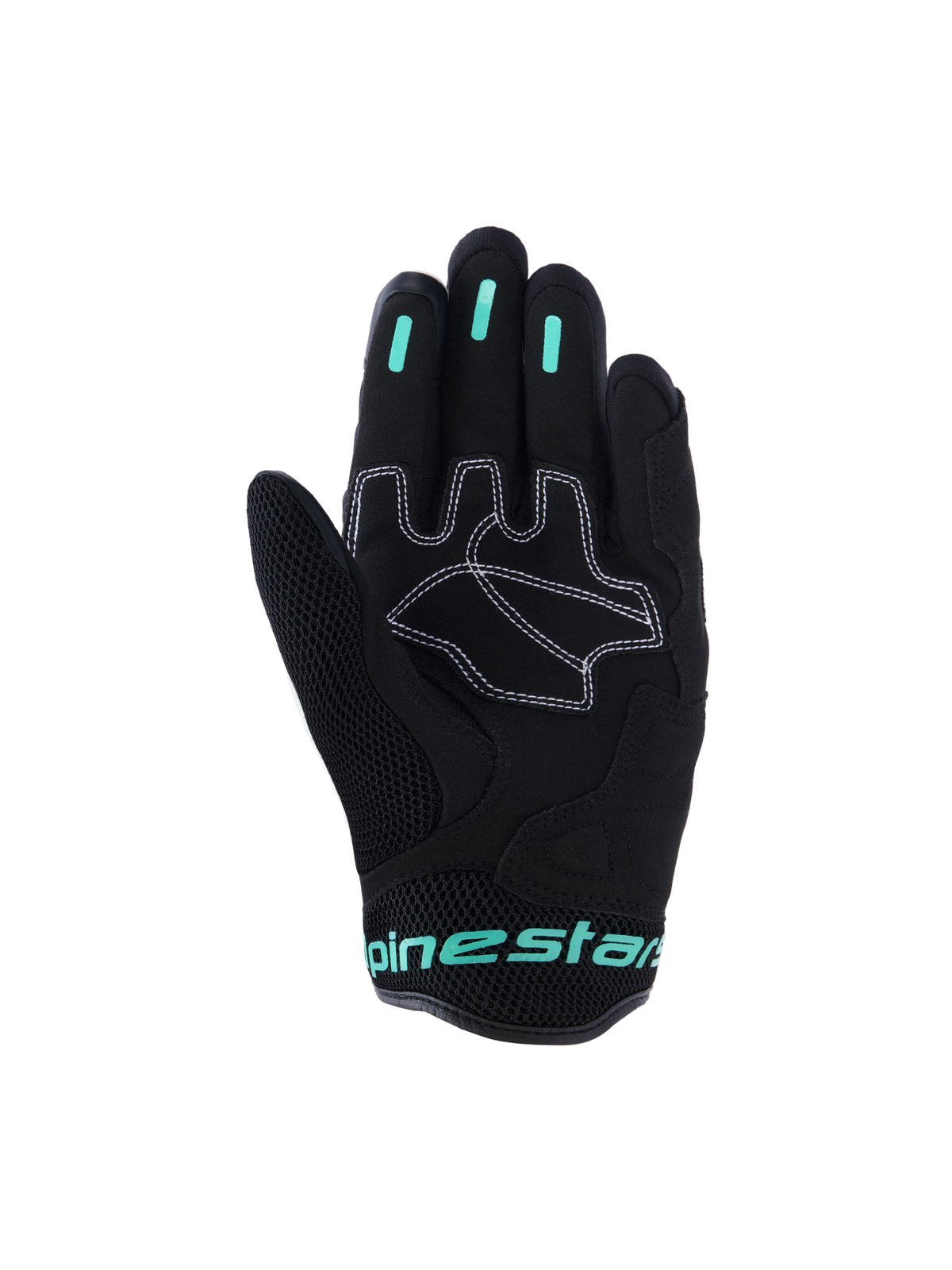

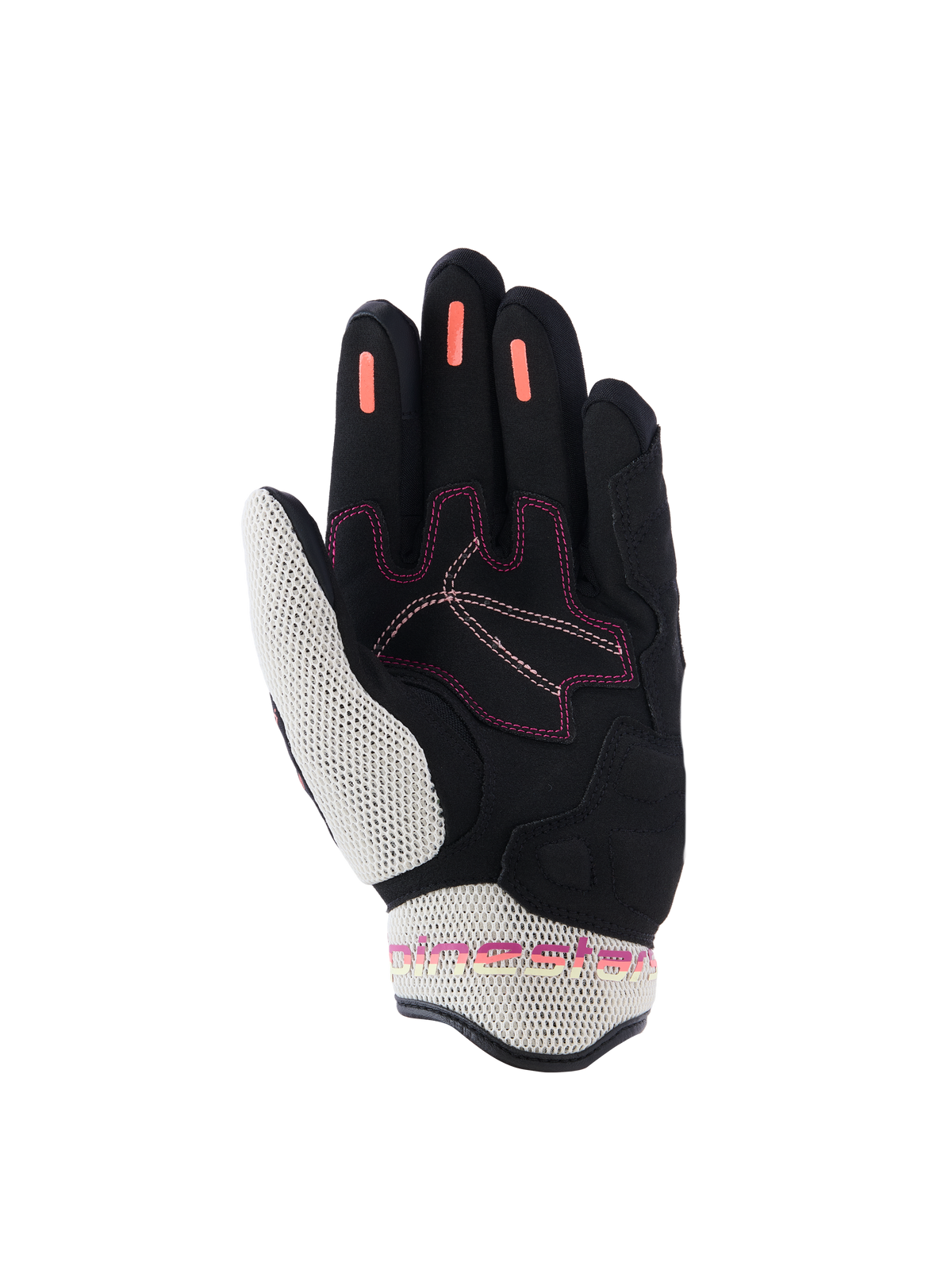
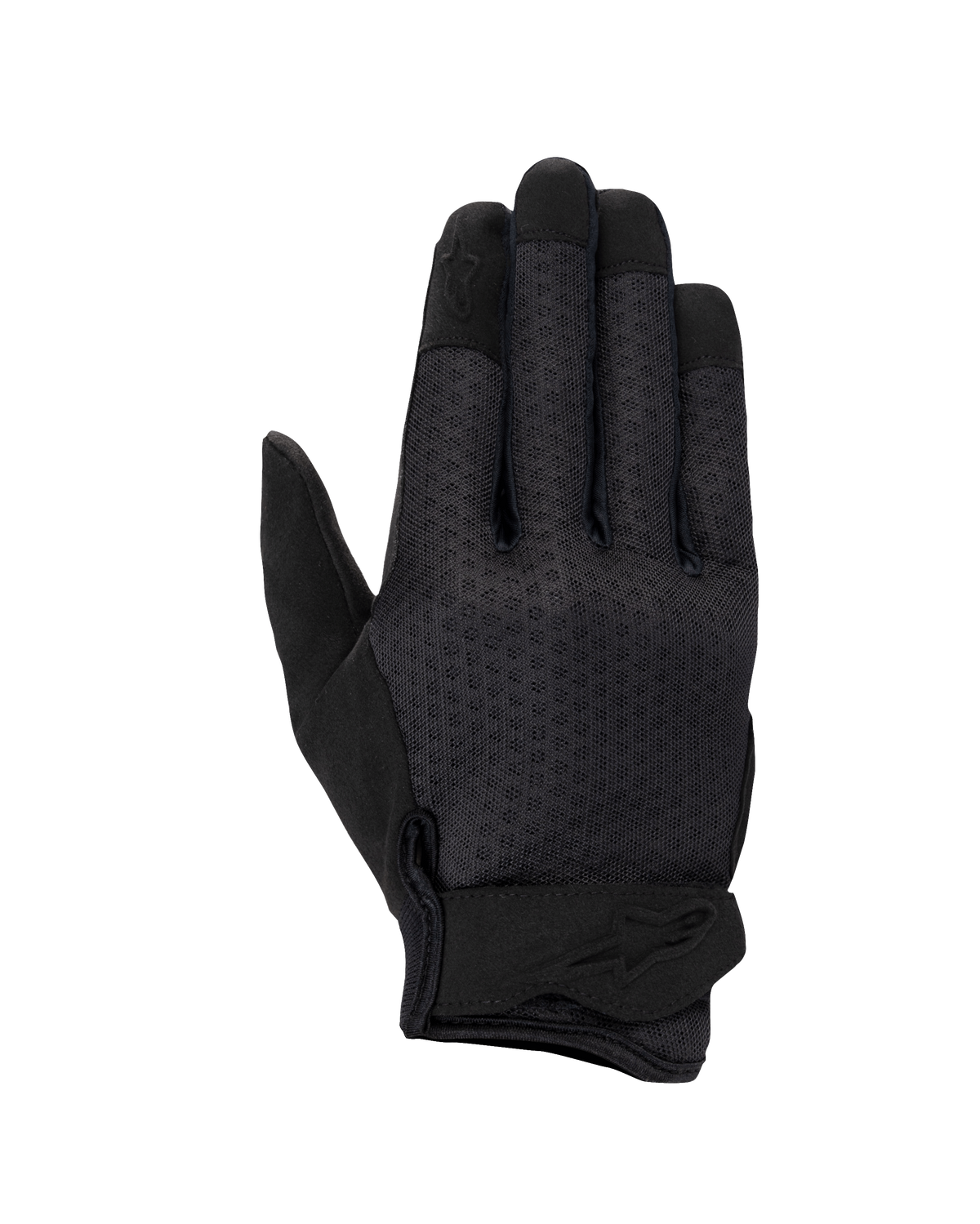


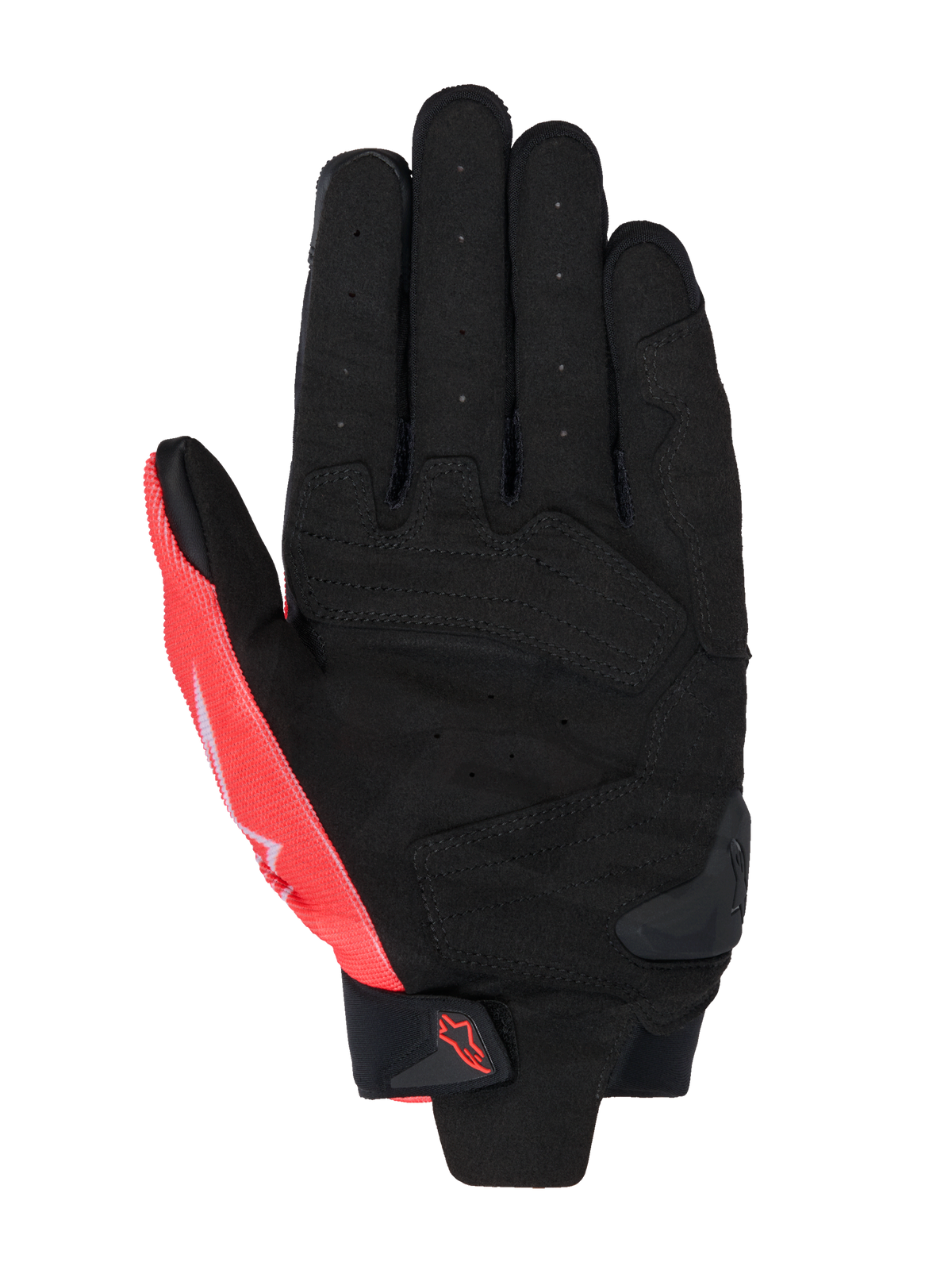

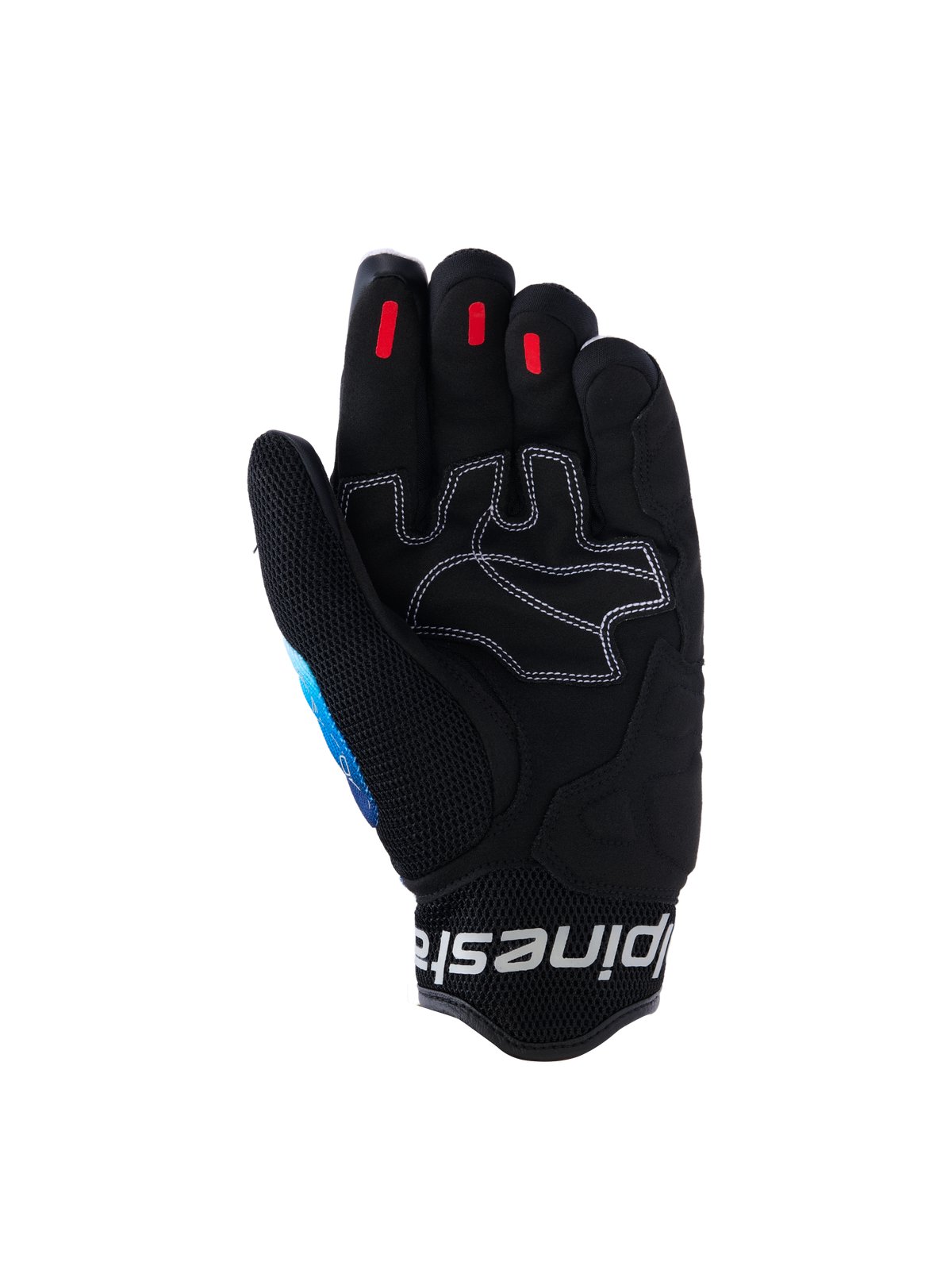
65 of 65 products
All products loaded
Frequently asked questions Hide FAQs
What are summer motorcycle gloves designed for?
Summer motorcycle gloves are designed for warm-weather riding, where airflow, control, and road-ready hand protection need to work together. This collection typically includes lightweight short-cuff and mid-cuff gloves built with ventilated textiles, mesh panels, perforated leather, or mixed-material constructions.
Compared with insulated or waterproof gloves, summer gloves prioritize breathability, lower bulk, and better lever feel to help manage heat during commuting, urban riding, and sport-focused street use in high temperatures.
How should summer motorcycle gloves fit?
Summer motorcycle gloves should fit snugly across the palm and fingers without restricting circulation. A close fit helps keep protective zones in place, reduces bunching at the palm, and preserves throttle, brake, and clutch feel.
Measure hand circumference around the knuckles, excluding the thumb, and compare it with the Alpinestars size chart. If you are between sizes, choose the size that gives a secure wrist closure and minimal excess material at the fingertips, since loose gloves can reduce control precision.
Are summer motorcycle gloves protective, and are they CE-certified?
Yes. Summer motorcycle gloves are built to balance ventilation with protective features for street riding. Depending on the model, common features may include knuckle protection, reinforced palms, impact-absorbing padding, and abrasion-resistant materials in key contact zones.
Many motorcycle gloves in the Alpinestars range are CE-certified, but certification level and construction can vary across the collection. For the exact CE marking, protection level, and intended riding use, check the individual product page.
What materials are commonly used in summer motorcycle gloves?
Summer motorcycle gloves typically combine breathable and protective materials to keep weight low while maintaining durability in key areas. Common constructions include mesh for airflow, perforated leather for abrasion resistance with ventilation, stretch textiles for flexibility, and synthetic reinforcements at the palm and landing zones.
Short-cuff designs usually focus on everyday mobility and ventilation, while more structured summer gloves may add extra leather coverage, stronger knuckle protection, or more reinforcement for faster road riding. If you want a broader range of four-season and sport-oriented options, you can also explore road gloves.
Can summer motorcycle gloves be used in rain, or are they only for hot weather?
Summer motorcycle gloves are primarily intended for hot and dry conditions. Their ventilated construction helps release heat efficiently, but that same airflow usually means they do not provide the weather sealing or insulation needed for prolonged rain, cold mornings, or year-round riding.
They can handle occasional light moisture depending on the material mix, but they are not the best choice for sustained wet-weather protection. For broader seasonal coverage, riders may want to compare this category with the wider motorcycle gloves range.
How do I clean and care for summer motorcycle gloves?
Care depends on the material mix, but the safest approach is always to follow the glove’s care label. In general, use mild soap, avoid bleach or harsh detergents, and let gloves air dry away from direct heat.
If the gloves include leather panels or reinforcements, do not machine wash unless the care instructions specifically allow it. Clean with a damp cloth, avoid soaking, and never tumble dry, since excessive heat can affect fit, surface materials, and protective components.