
74 results


74 of 74 products
All products loaded
Frequently asked questions Hide FAQs
What are winter motorcycle gloves designed for?
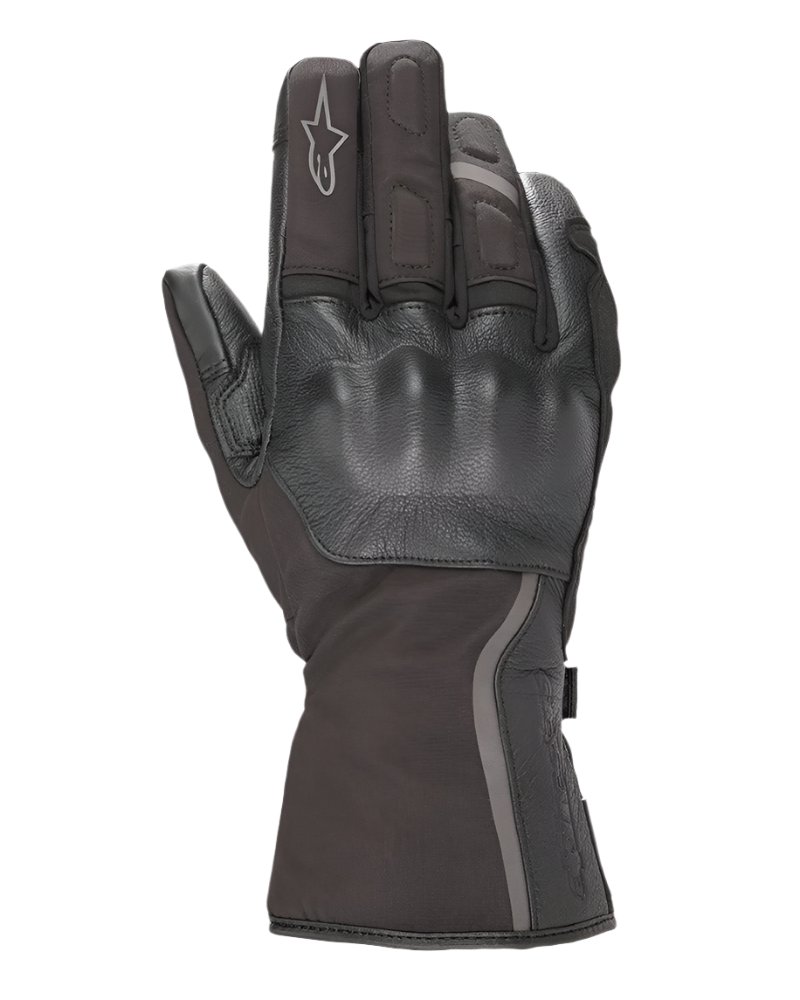
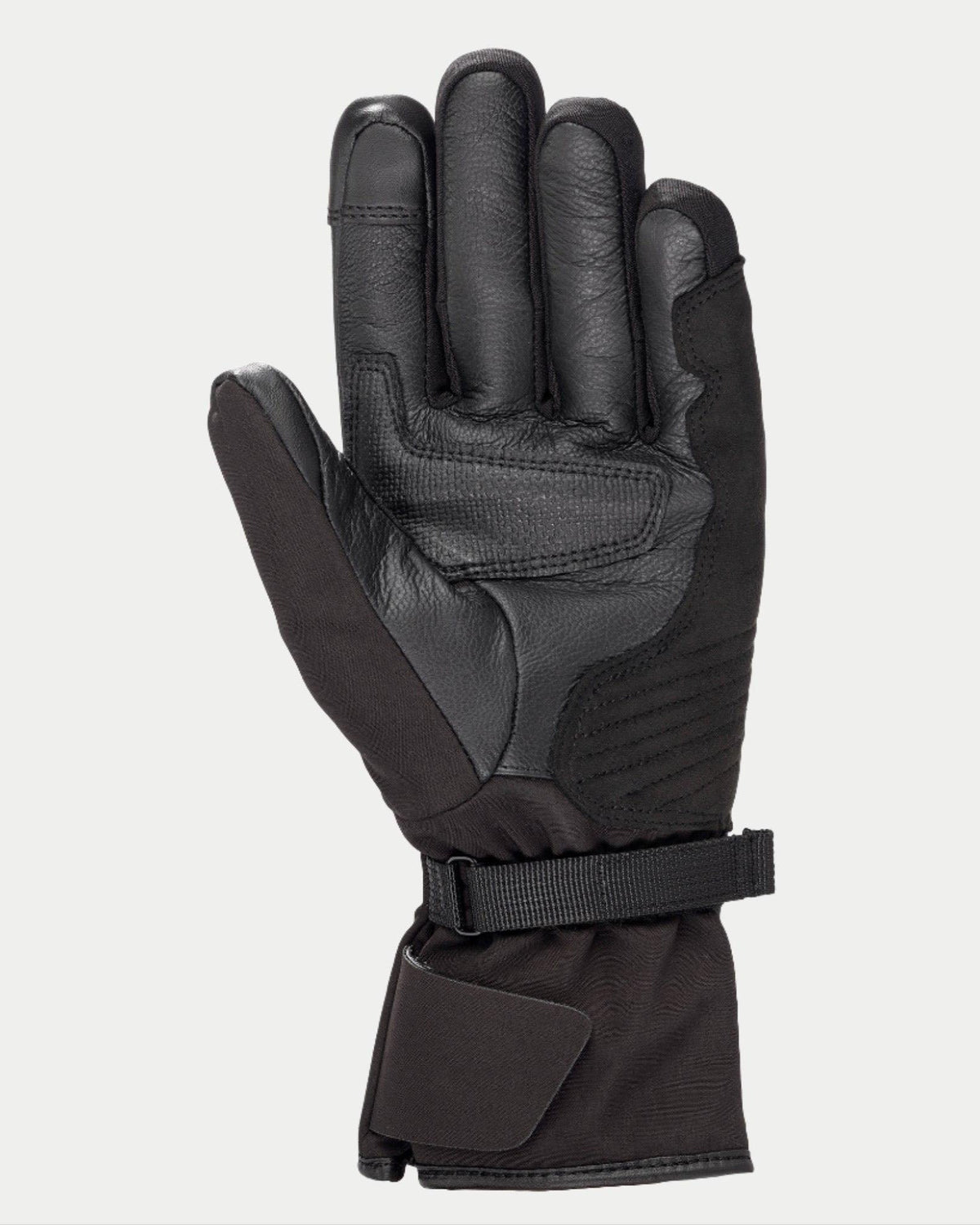
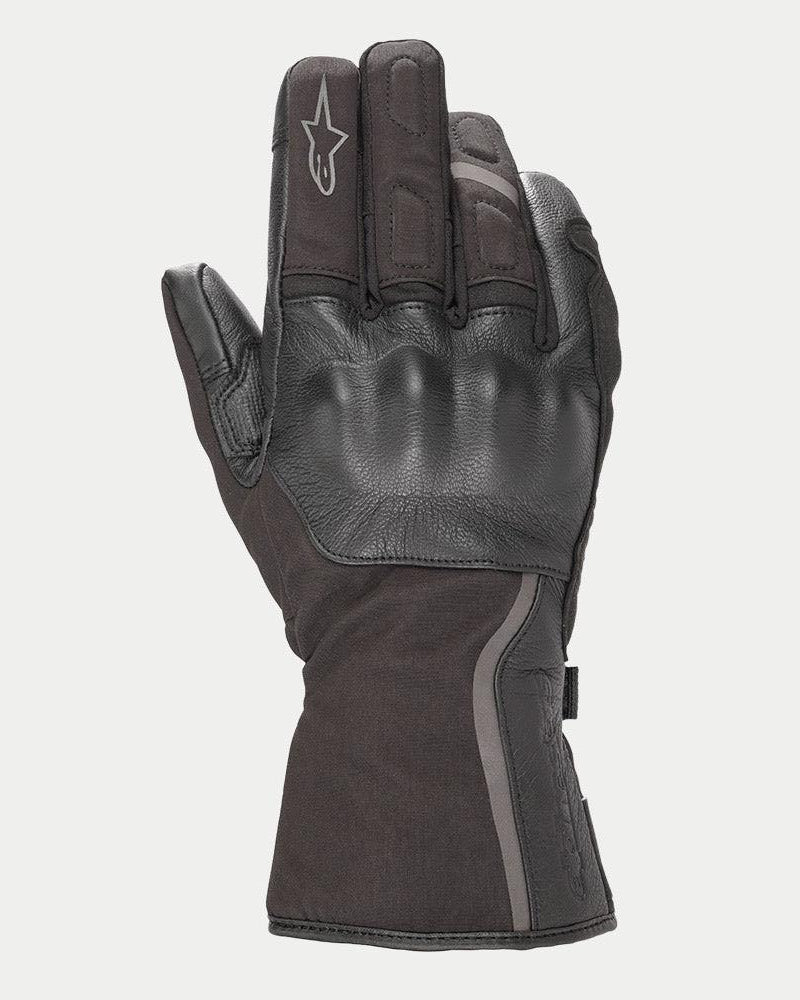
Winter motorcycle gloves are designed to help riders maintain warmth, weather protection, and control in low temperatures, wind, and rain. Compared with summer or lightweight road gloves, this collection focuses on insulated constructions, wind-blocking outer materials, and waterproof or water-resistant designs for cold-weather street, commuting, touring, and adventure use.
The goal is to reduce heat loss without losing essential lever feel. That usually means a balance of thermal lining, protective reinforcement, secure wrist closure, and enough dexterity for braking, clutch use, and throttle control in winter riding conditions.
Are winter motorcycle gloves waterproof and insulated?
Many winter motorcycle gloves combine thermal insulation with a waterproof and breathable membrane, but the exact level of weather protection varies by model. If you ride regularly in rain, spray, or prolonged cold, look for gloves described specifically as waterproof, wind-resistant, and insulated rather than assuming every cold-weather glove offers the same protection.
A strong winter setup should manage both external moisture and internal humidity. That matters because gloves that are warm but not weather-protective can still become cold once the outer shell gets wet. If you want to compare broader wet-weather options, see our touring gloves.
How should winter motorcycle gloves fit, and should I size up?
Winter motorcycle gloves should fit securely around the palm, fingers, and wrist without crushing the insulation. A glove that is too tight can reduce circulation and make hands feel colder, while a glove that is too loose can reduce grip feel and control precision.
Because insulated gloves have more internal volume than summer gloves, some riders may prefer slightly more room, but sizing up is not automatic. The correct fit lets you fully wrap the grips, operate the brake and clutch comfortably, and close the cuff properly over or under your jacket sleeve, with no major bunching at the fingertips or twisting through the palm.
Are winter motorcycle gloves CE-certified, and what does EN 13594 mean?
Many motorcycle gloves are tested to EN 13594, the European standard for protective motorcycle gloves. This standard covers factors such as ergonomics, restraint strength, seam strength, abrasion resistance, and impact protection, helping riders distinguish purpose-built riding gloves from general cold-weather gloves.
Certification can vary across a collection, so check each product page for the exact CE marking and protection level. If crash protection is a priority, choose models that clearly state EN 13594 compliance rather than assuming all insulated gloves offer the same protective performance.
Should I choose gauntlet or short-cuff winter motorcycle gloves?
For winter riding, gauntlet gloves are usually the better weather-focused option because they extend coverage over the wrist and help seal the gap between glove and jacket sleeve. Short-cuff gloves can feel less bulky and quicker to put on, but they generally leave more exposure to wind and rain.
| Cuff style | Main advantage | Best use |
|---|---|---|
| Gauntlet or long cuff | Better overlap with jacket sleeves and improved weather sealing | Touring, commuting, sustained cold or wet rides |
| Mid or short cuff | Less bulk and quicker on-off use | Milder cold, shorter urban rides, riders prioritizing mobility |
If you ride at highway speeds or in frequent winter rain, a gauntlet-style winter glove is usually the more suitable choice.