












Frequently asked questions Hide FAQs
What are white motocross goggles used for?
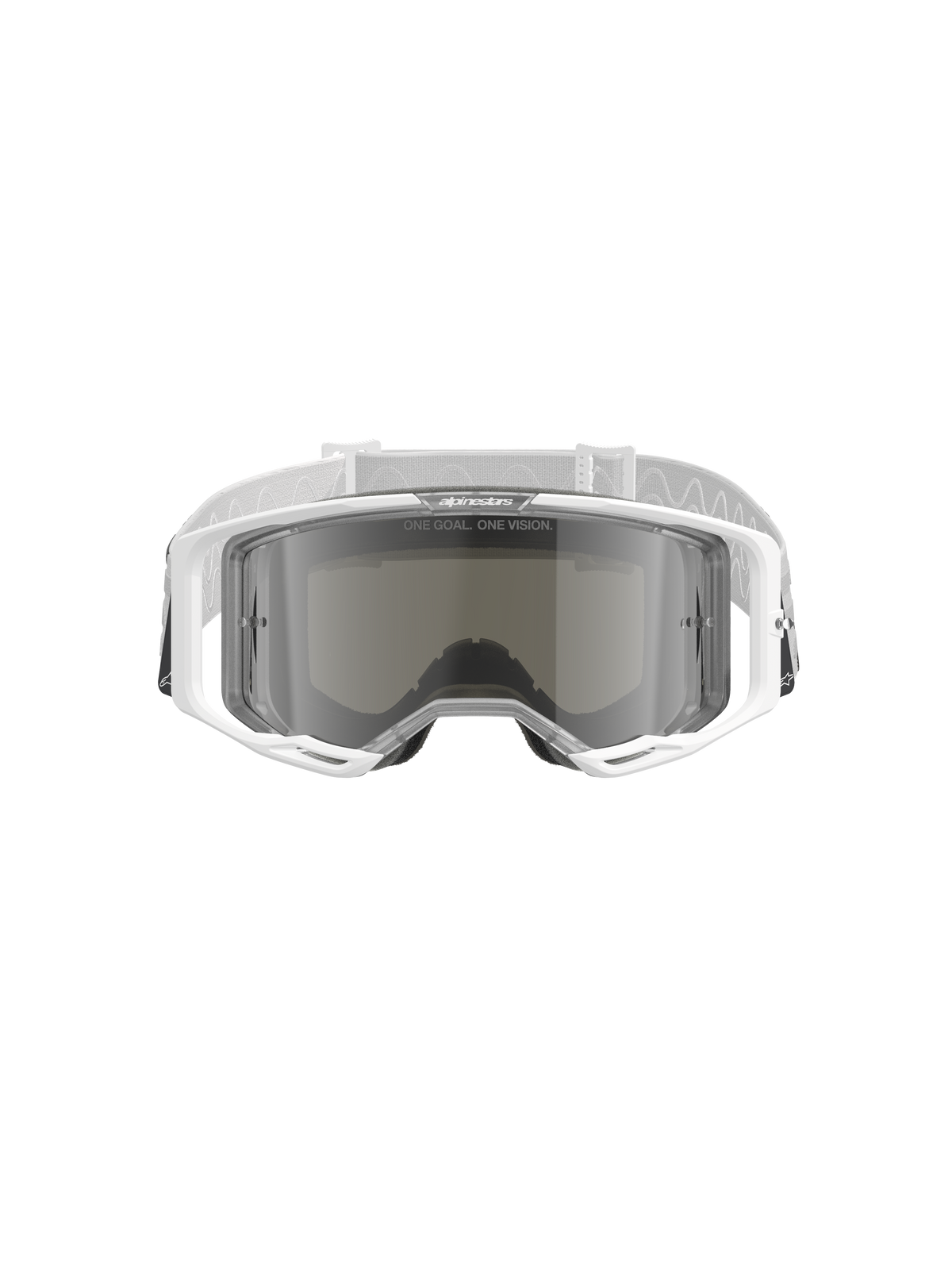
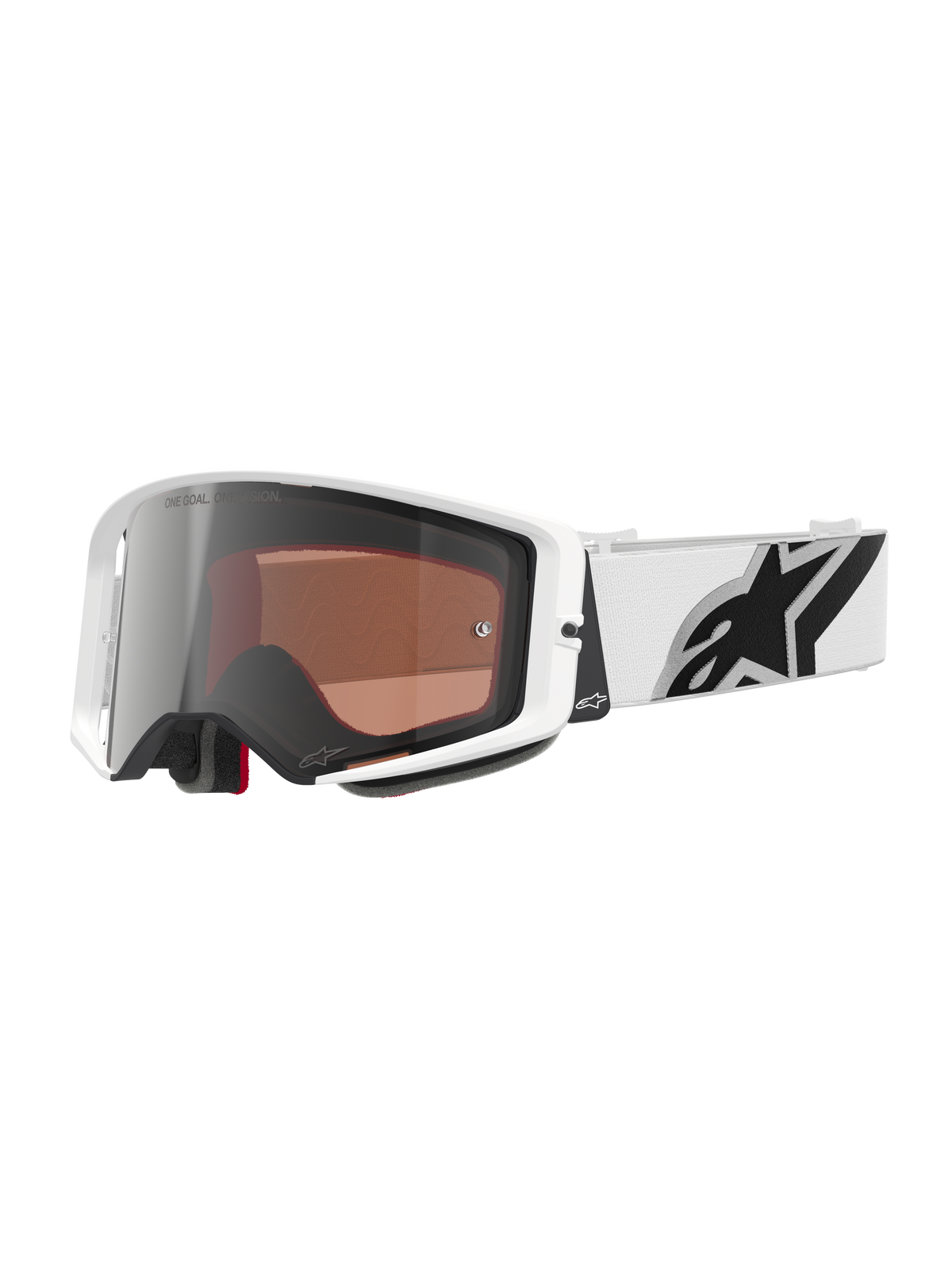
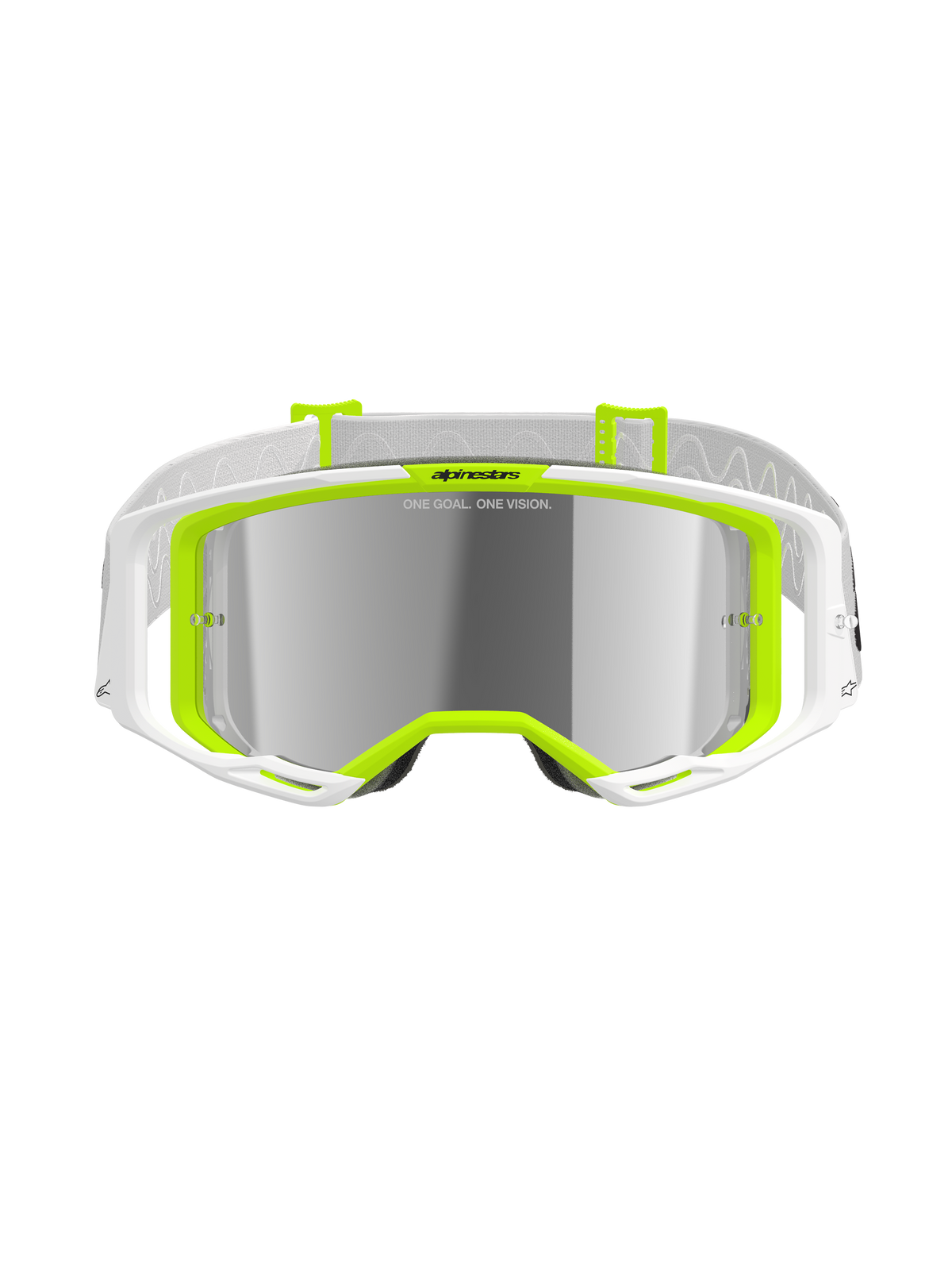
White motocross goggles are designed for off-road riding where eye protection, clear vision, and helmet compatibility are essential. They help shield the eyes from roost, dust, mud, debris, and wind while maintaining visibility across changing track and trail conditions.
In this collection, the white finish is primarily a style choice. Performance depends more on the lens, ventilation, foam, and frame design than on the colorway itself, so riders should choose based on riding conditions and vision needs as well as appearance.
How should white MX goggles fit with a motocross helmet?
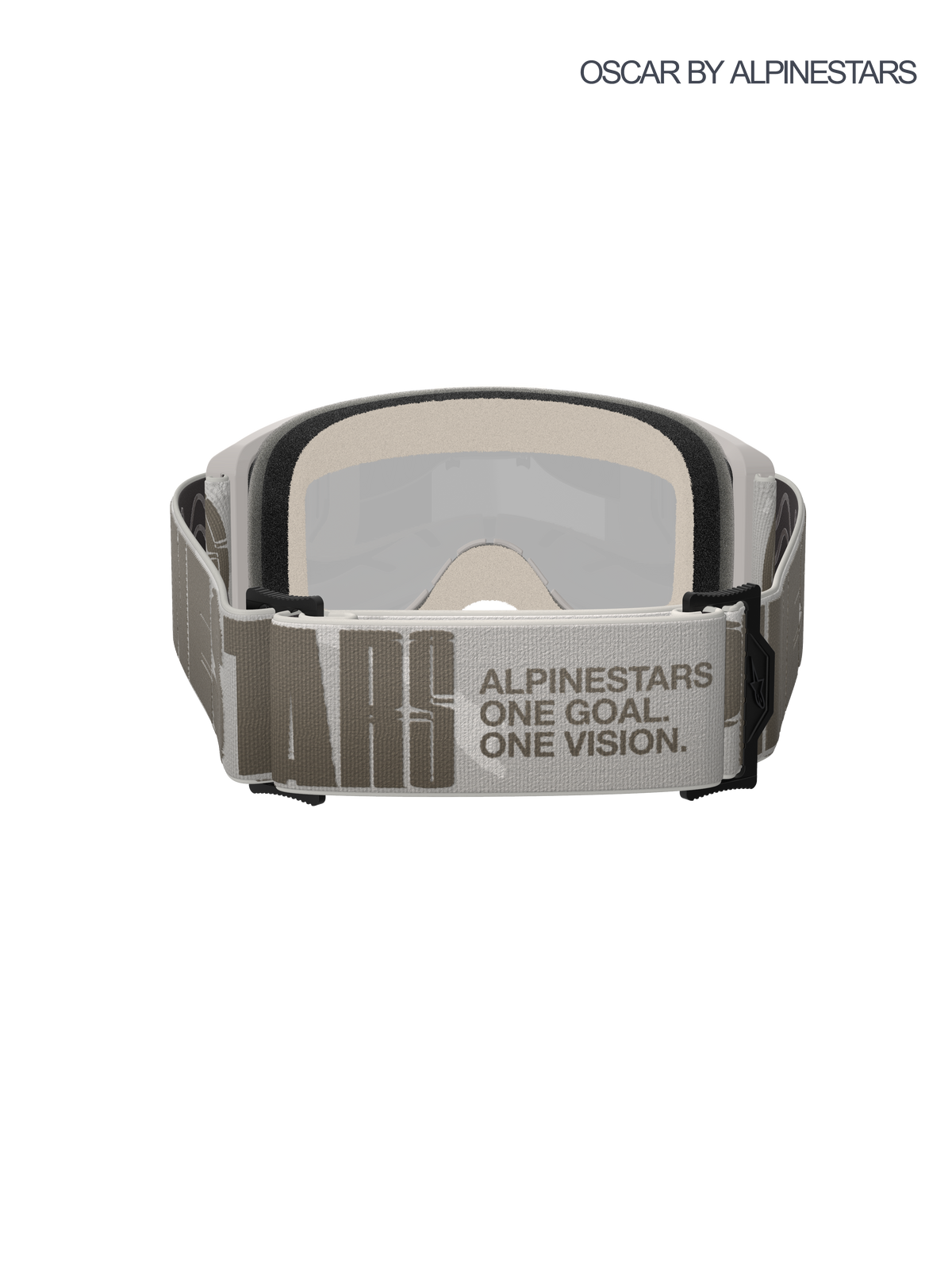
Motocross goggles should sit evenly inside the helmet eye port and create a consistent seal around the face without uncomfortable pressure points. A correct fit helps reduce dust entry, keeps the frame stable through rough sections, and maintains a wide field of view.
The strap should stay centered on the helmet and the foam should make even contact across the brow and cheeks. If the frame leaves gaps, rides too high, or presses heavily on the nose or temples, the fit is not correct. Riders comparing options can also explore MX helmets for proper helmet-and-goggle pairing.
Should I choose clear, tinted, or mirror motocross goggle lenses?
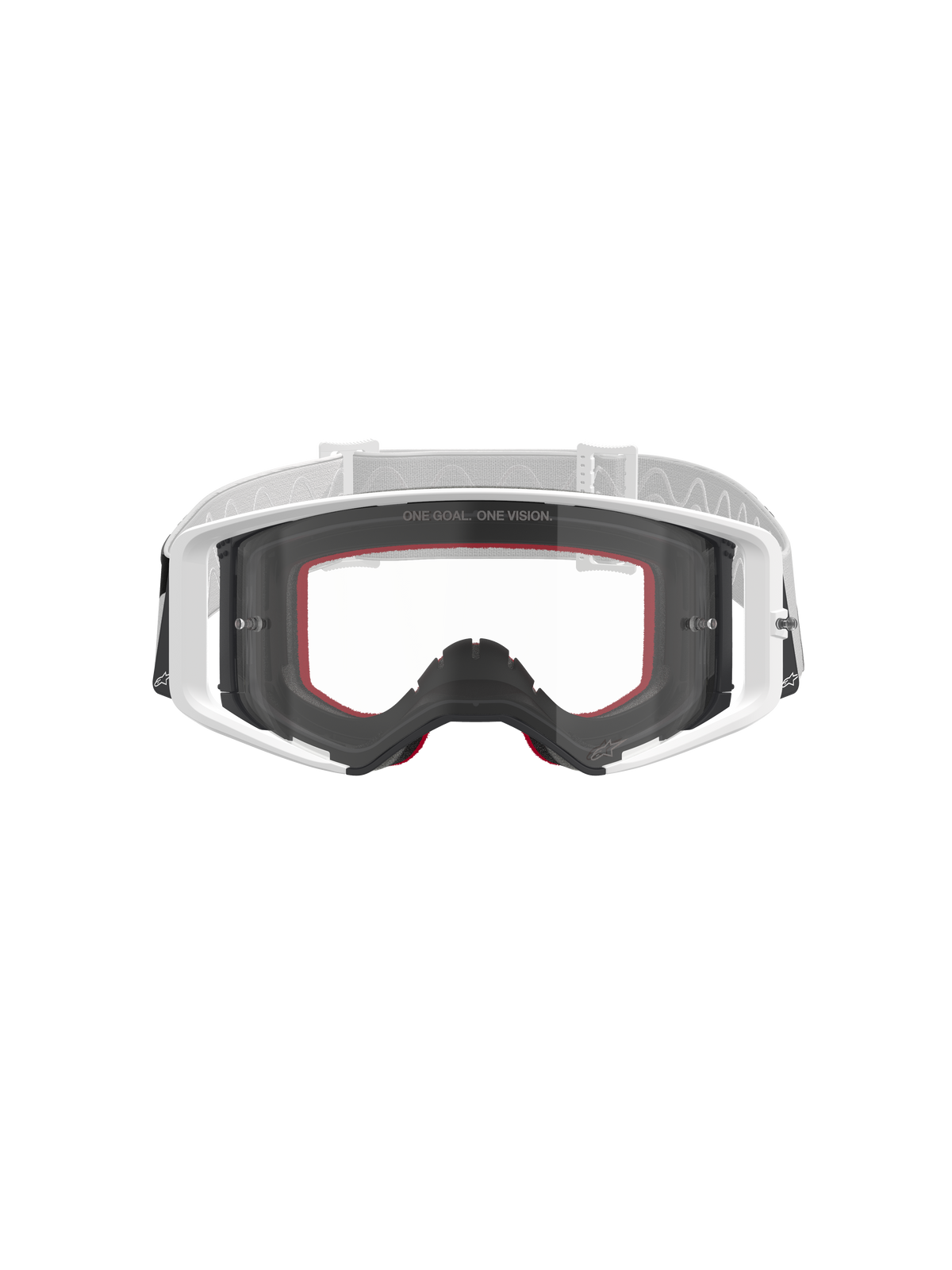
The best lens depends on light conditions and terrain. Clear lenses are typically the most practical choice for low light, overcast weather, woods riding, and evening sessions. Tinted and mirror lenses are better suited to bright sunlight, where reducing glare can help limit eye fatigue and improve terrain definition.
If you ride in mixed conditions, it is useful to choose goggles from a collection that supports replacement lenses. That gives more flexibility than relying on one lens tint for every ride.
What is the difference between tear-offs and roll-offs on motocross goggles?
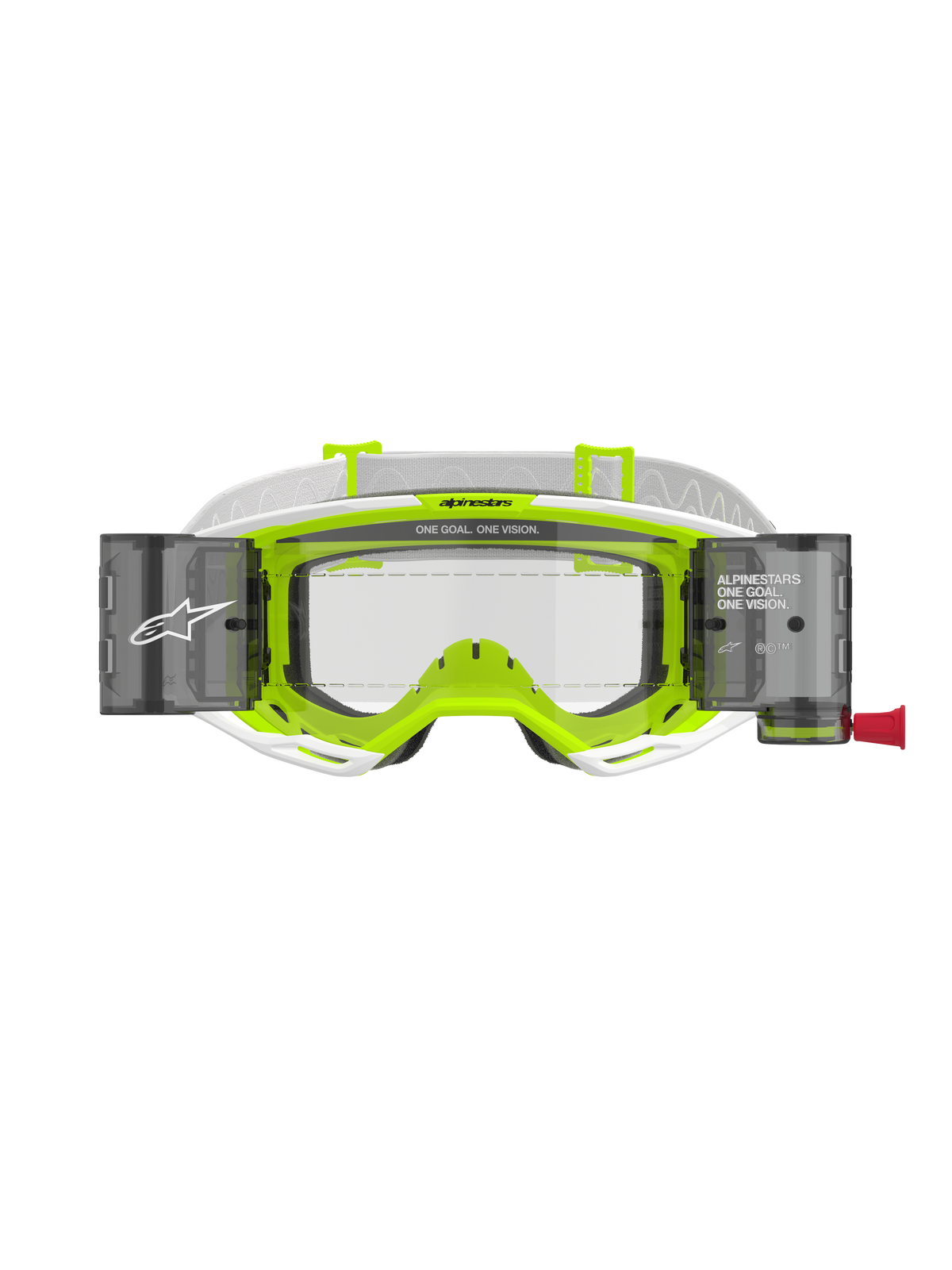
Tear-offs and roll-offs are both vision-management systems for off-road racing, but they suit different conditions. Tear-offs are usually preferred for dry, dusty tracks and shorter race sessions because they are simple, lightweight, and fast to use. Roll-offs are generally more effective in mud, rain, and heavy spray because they allow repeated lens clearing without stacking multiple films on the front of the goggle.
Compatibility depends on the frame and lens system, so not every goggle supports both options. If this matters for your setup, it is worth checking whether the collection includes access to compatible replacement lenses and race accessories through goggle accessories.
How do I stop motocross goggles from fogging and how should I clean them?
Fogging is usually reduced by a combination of good ventilation, a proper face seal, and the right lens construction for the conditions. In colder weather, humid environments, or high-effort riding, dual-pane and anti-fog lens options can help manage condensation more effectively than a standard single lens.
For cleaning, first rinse away dust or mud with clean water, then wipe the lens carefully with a soft microfiber cloth or lens-safe material. Avoid rubbing a dry dirty lens, using harsh chemicals, or exposing the goggles to direct heat, as these can damage coatings, foam, and frame finishes. Let the goggles air dry fully before storage.