
14 results
-
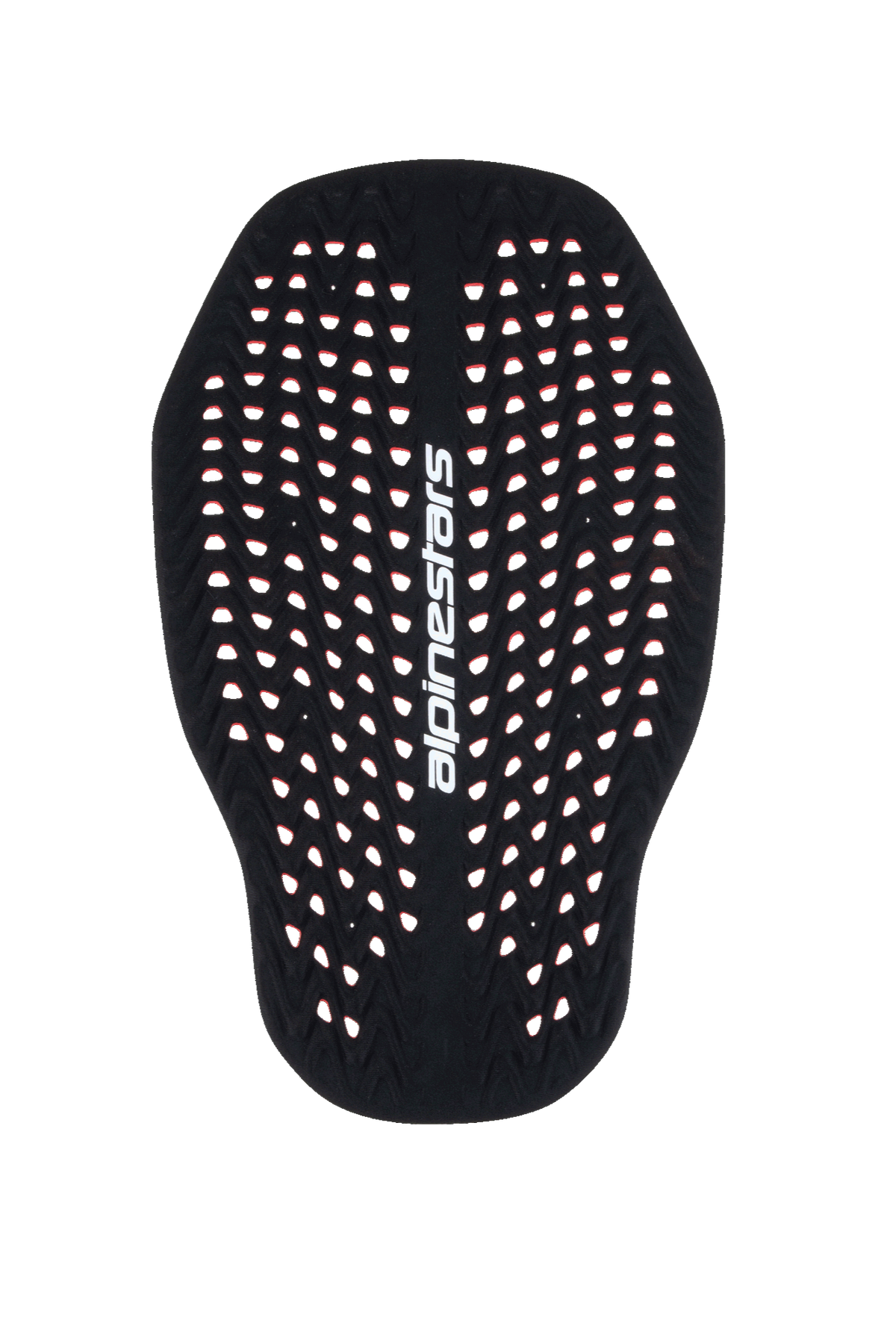
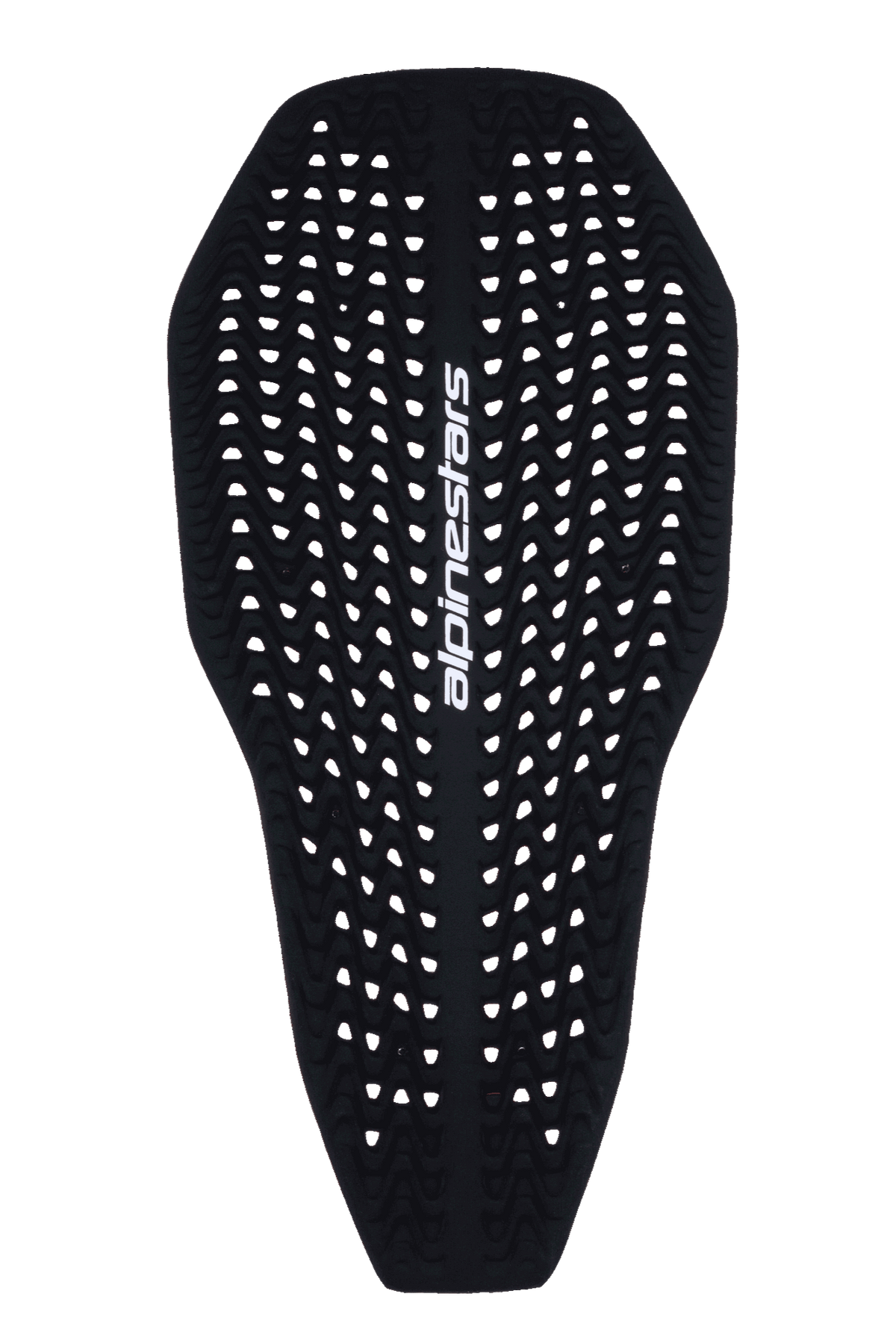
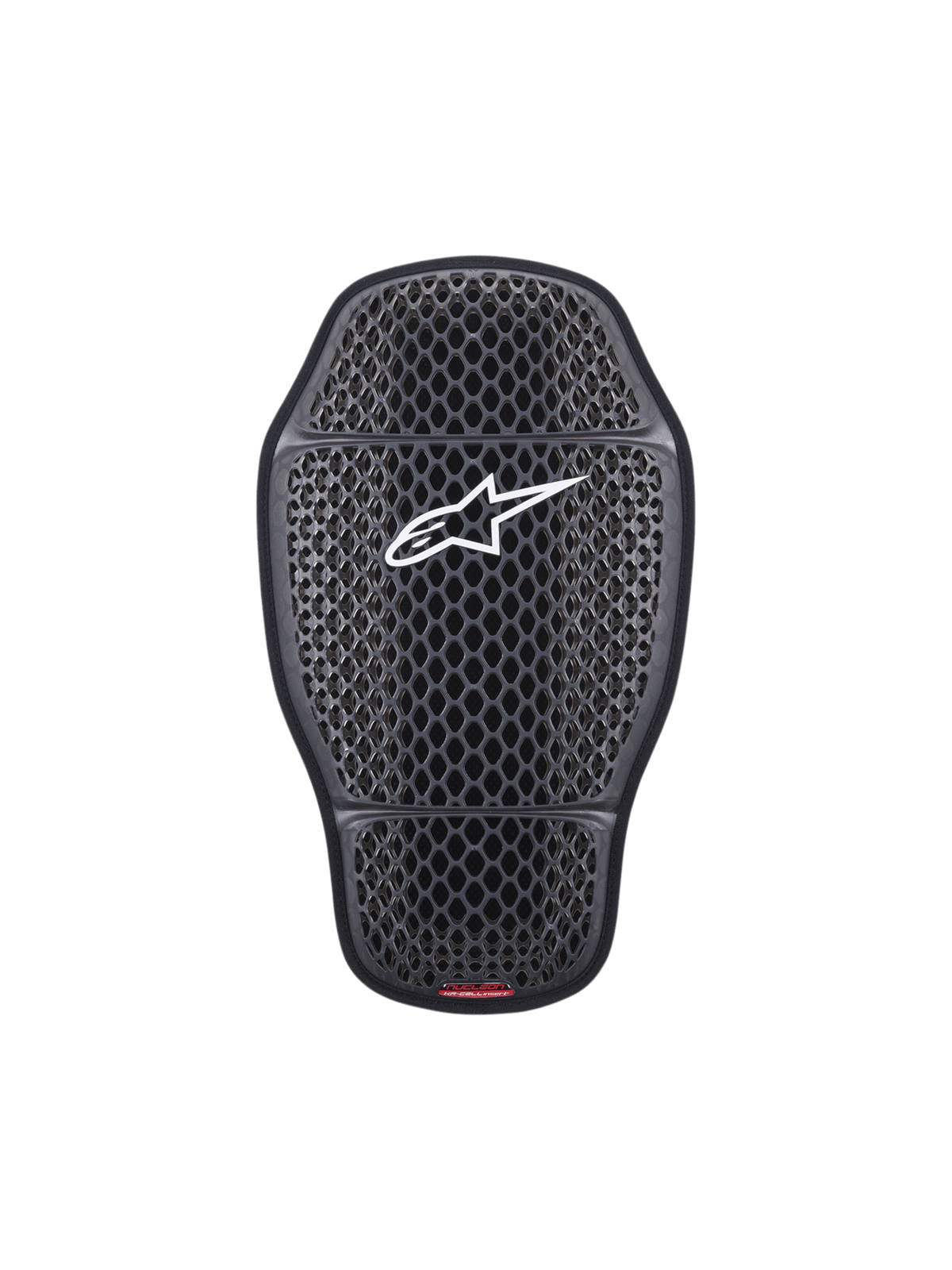
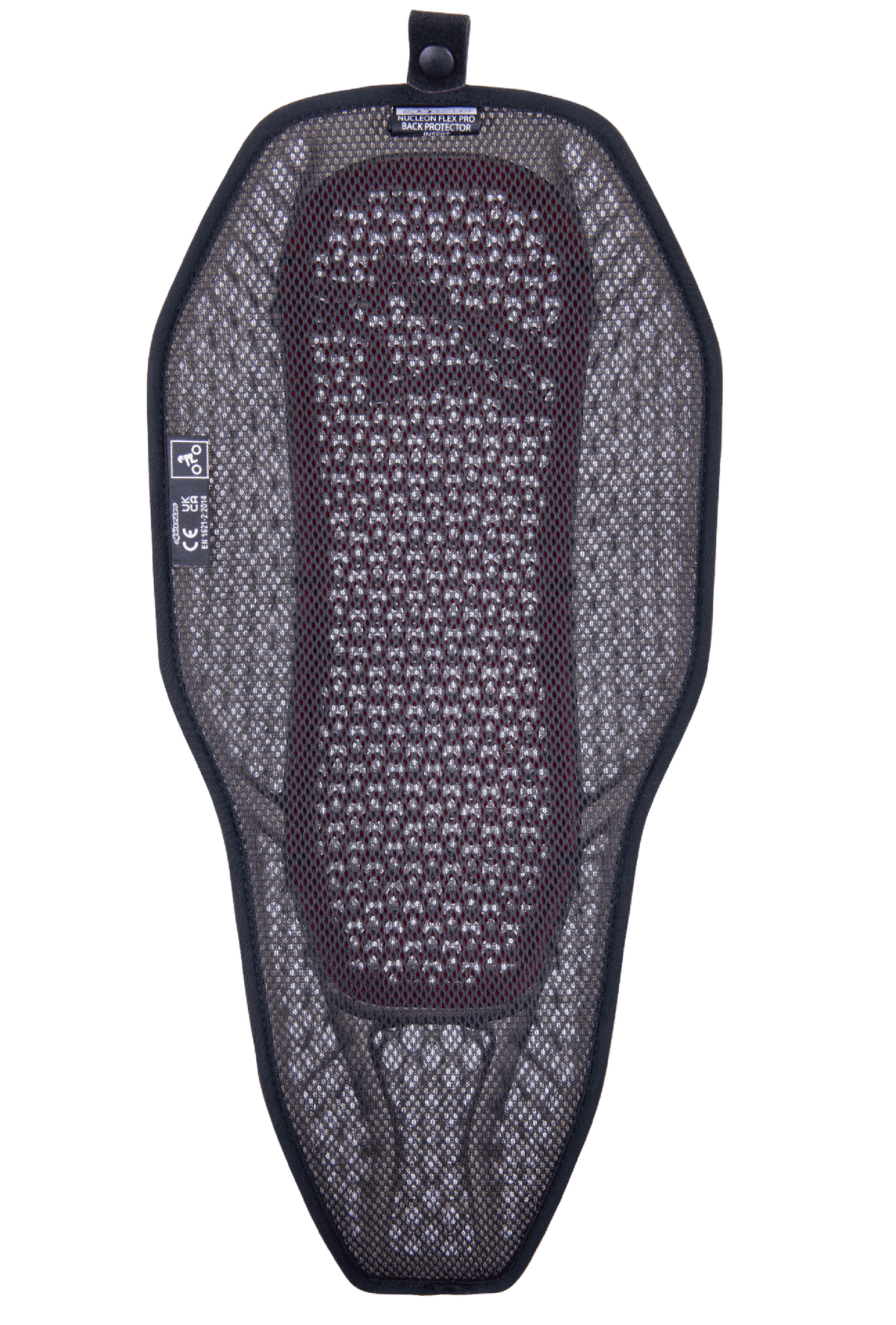
Nucleon Plasma Back Protector Insert -
Nucleon Plasma Full Back Protector Insert -
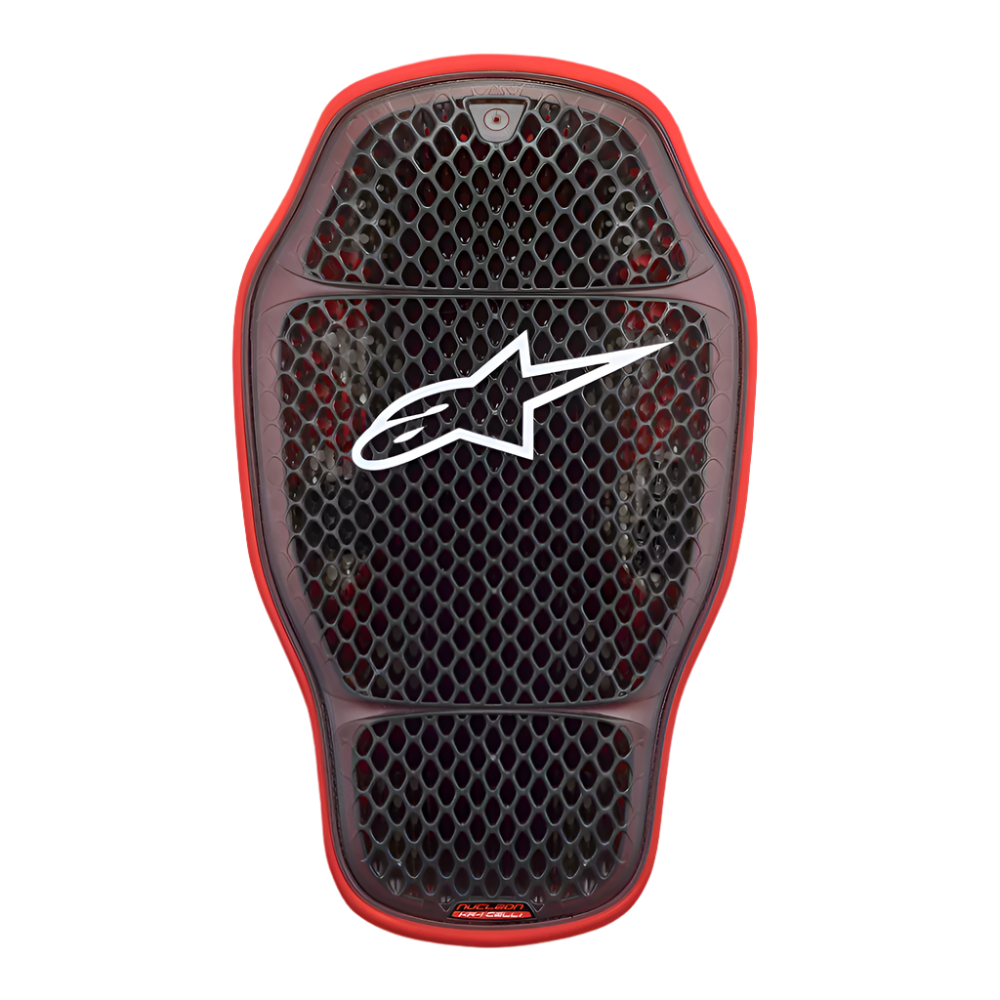
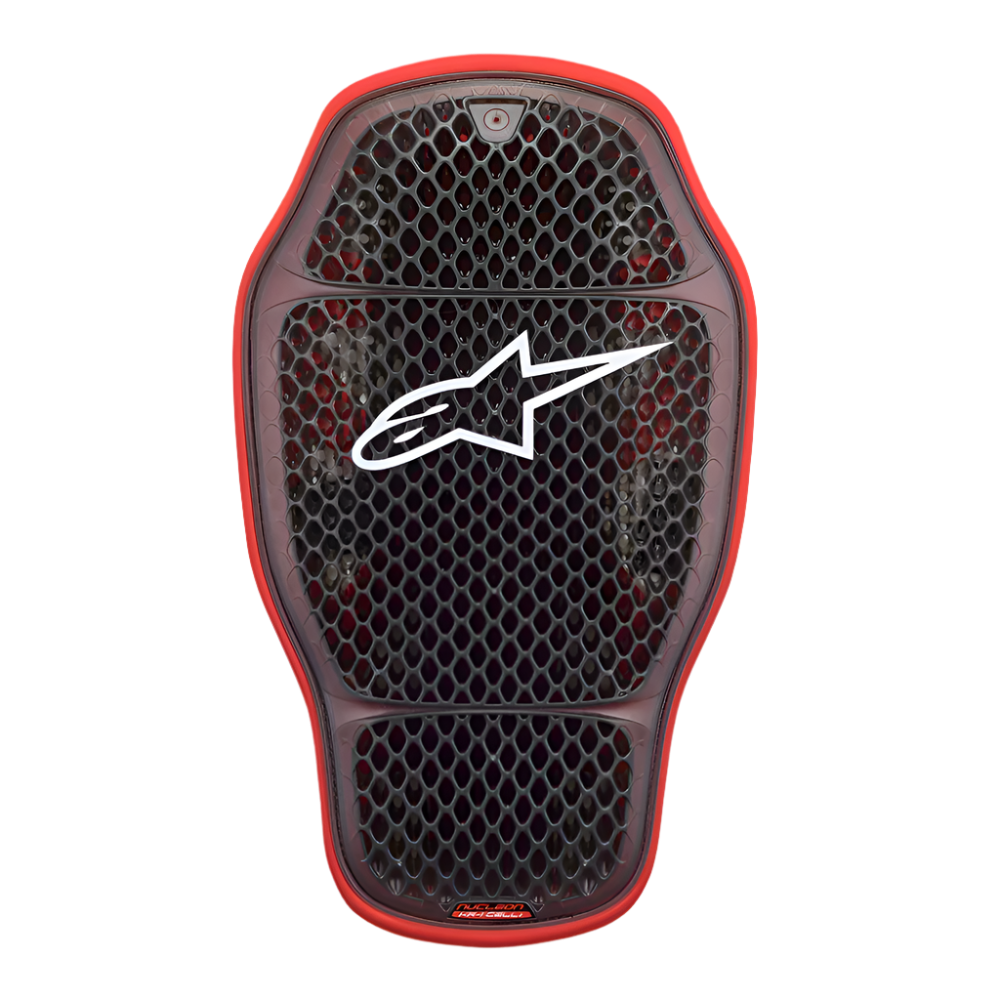
Nucleon KR-CELLi Back Protector Insert -
Nucleon Flex Pro Full Back Protector Insert -
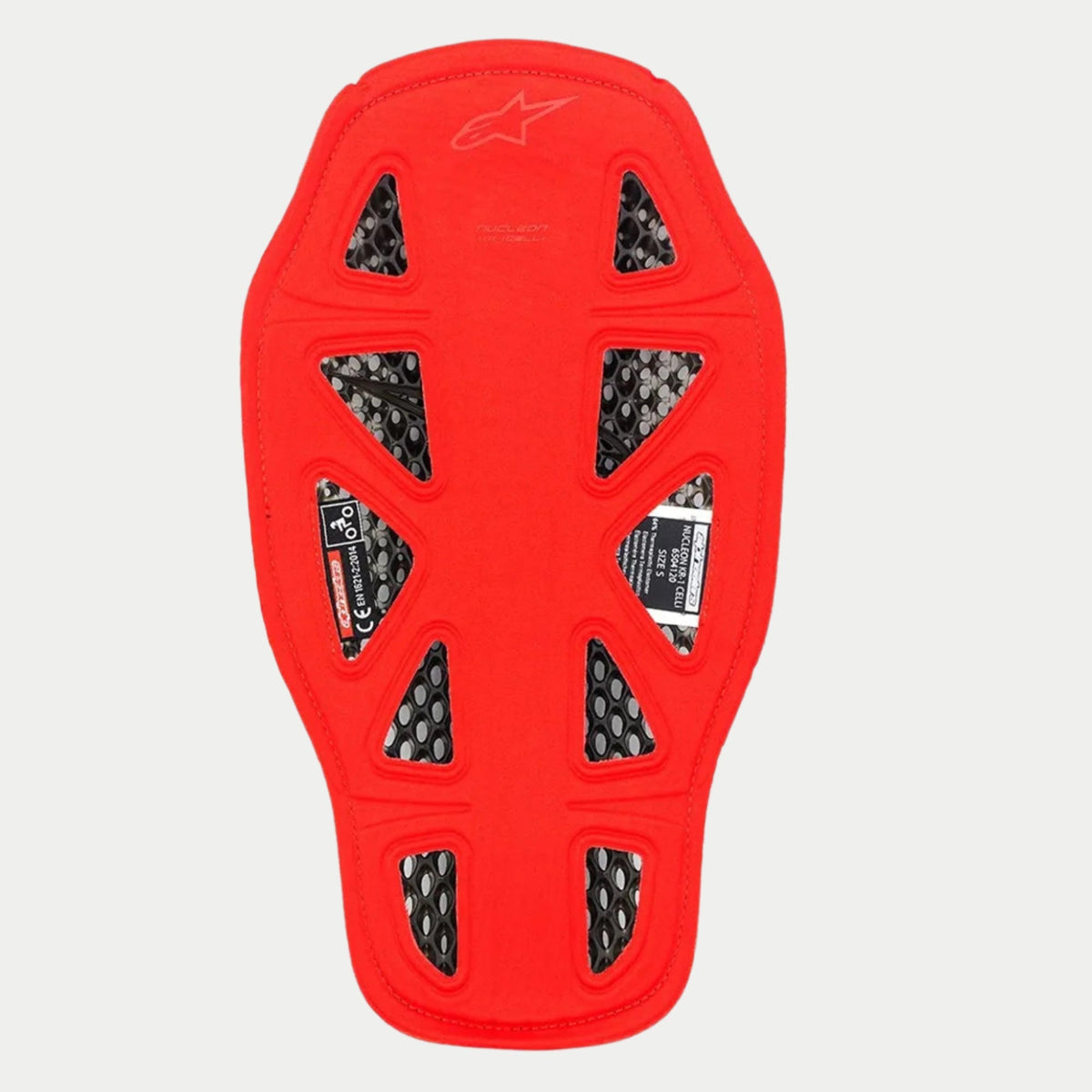
Nucleon KR-1 CELLi Back Protector -
Nucleon Kr-Cell Protector -
Nucleon KR-1 Cell Back Protector -
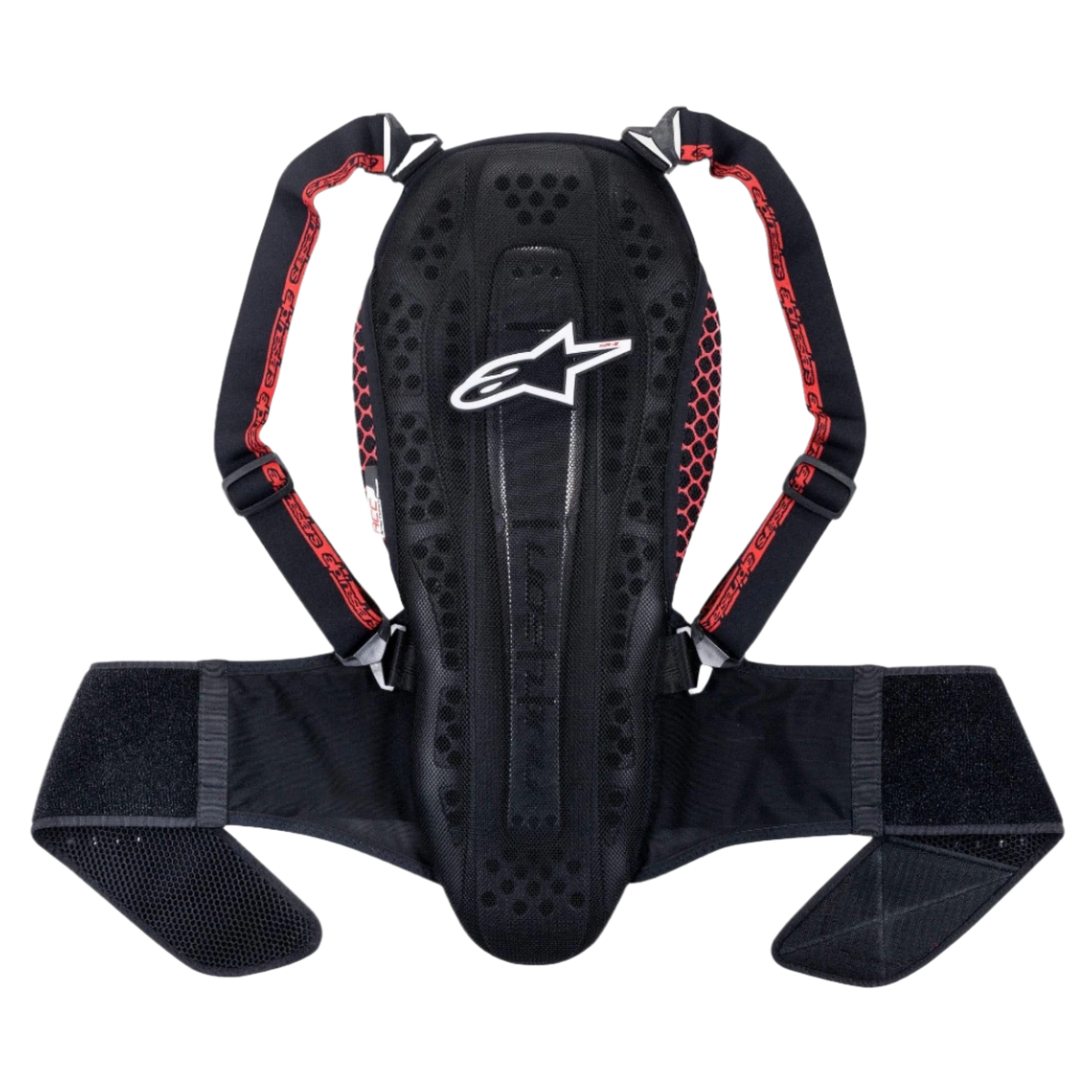
Nucleon Kr-2 Back Protector -
Nucleon Plasma Back Protector -
Nucleon Kr-3 Back Protector -
Touring Belt -
Nucleon Kr-2 Back Protector -
Nucleon Kr-Tb Tailbone Protector -
Youth Nucleon Kr-Y Back Protector












14 of 14 products
All products loaded
Frequently asked questions Hide FAQs
What is the difference between an insert motorcycle back protector and a standalone back protector?
This collection includes both insert back protectors and standalone back protectors. Insert protectors are designed to fit inside the dedicated back-protector pocket of a compatible motorcycle jacket or suit, while standalone back protectors are worn independently with shoulder straps or a waist retention system.
Insert designs are usually chosen for lower bulk and easier integration inside riding gear. Standalone designs are often preferred by riders who want dedicated spinal coverage that can be transferred between multiple jackets or used when a garment does not accept an insert.
How do I choose the right size motorcycle back protector?
For insert-style back protectors, start by matching the protector to your jacket or suit compatibility and garment size. The protector should sit flat inside the pocket without curling, folding, or leaving excessive empty space, and it should stay correctly positioned when you are in a riding posture.
For standalone back protectors, the fit should be close and stable over the spine, with coverage extending from the upper back toward the lumbar area without pushing against the helmet or interfering with the seat. A correctly sized protector should remain centered during braking, acceleration, and cornering.
What does EN 1621-2 mean, and should I choose Level 1 or Level 2 back protection?
EN 1621-2 is the European certification standard for motorcycle back protectors. It sets testing and performance requirements for impact attenuation, ergonomics, coverage, and labeling, so it is the main certification riders should check when comparing spine protection.
Level 2 back protectors transmit less force in impact testing than Level 1, making them the higher protection benchmark within the standard. Level 1 can still be a valid choice when lower bulk, easier layering, or greater flexibility is the priority, but many road, sport, and touring riders prefer Level 2 when comfort and fit remain acceptable.
Can I use a motorcycle back protector with a Tech-Air airbag system?
Compatibility depends on the specific Tech-Air system and the garment you are using. Some airbag systems already include extensive upper-body protection, and some compatible jackets or suits have clear instructions on whether a back protector insert should remain installed or be removed.
Because deployment space and internal garment layout are critical, back protectors should not be combined with airbag systems unless the setup is confirmed as compatible. If you ride with an airbag, use the Tech-Air® compatibility checker and review available Tech-Air® systems before layering passive armor and active protection together.
How do I clean and care for a motorcycle back protector?
If your back protector is an insert, remove it from the jacket or suit before washing the garment unless the care label specifically states otherwise. Clean the protector separately with a damp cloth and mild soap, then allow it to air dry fully away from direct heat, radiators, or dryers.
For standalone back protectors, wipe the protective panel, straps, and liner areas gently and let all components dry naturally before storage. Regular inspection is important: replace the protector if you notice cracking, permanent deformation, damaged fasteners, or retention systems that no longer hold the protector securely in place.