
117 resultat
-
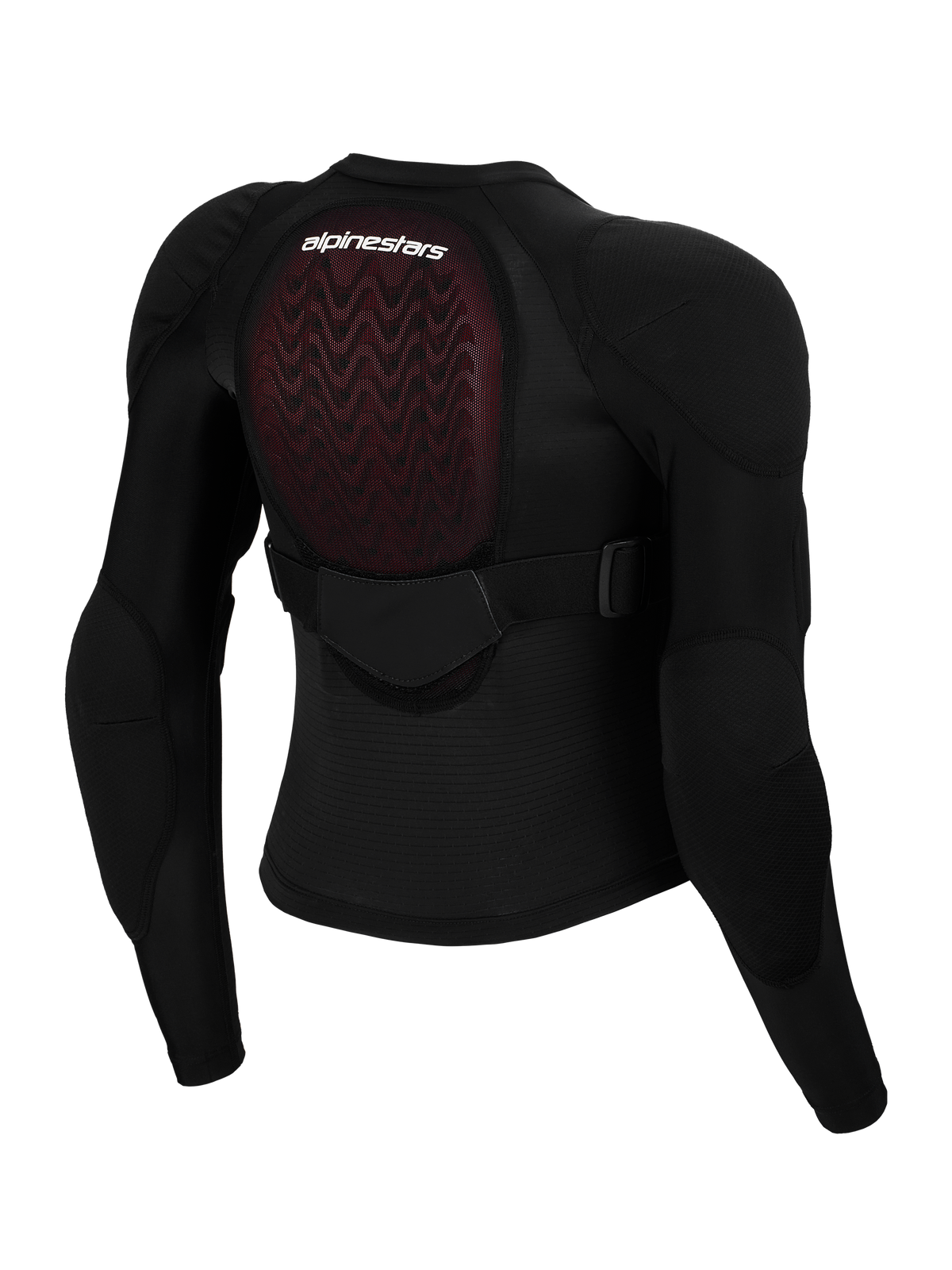
A-Impact Plasma Skyddsjacka -
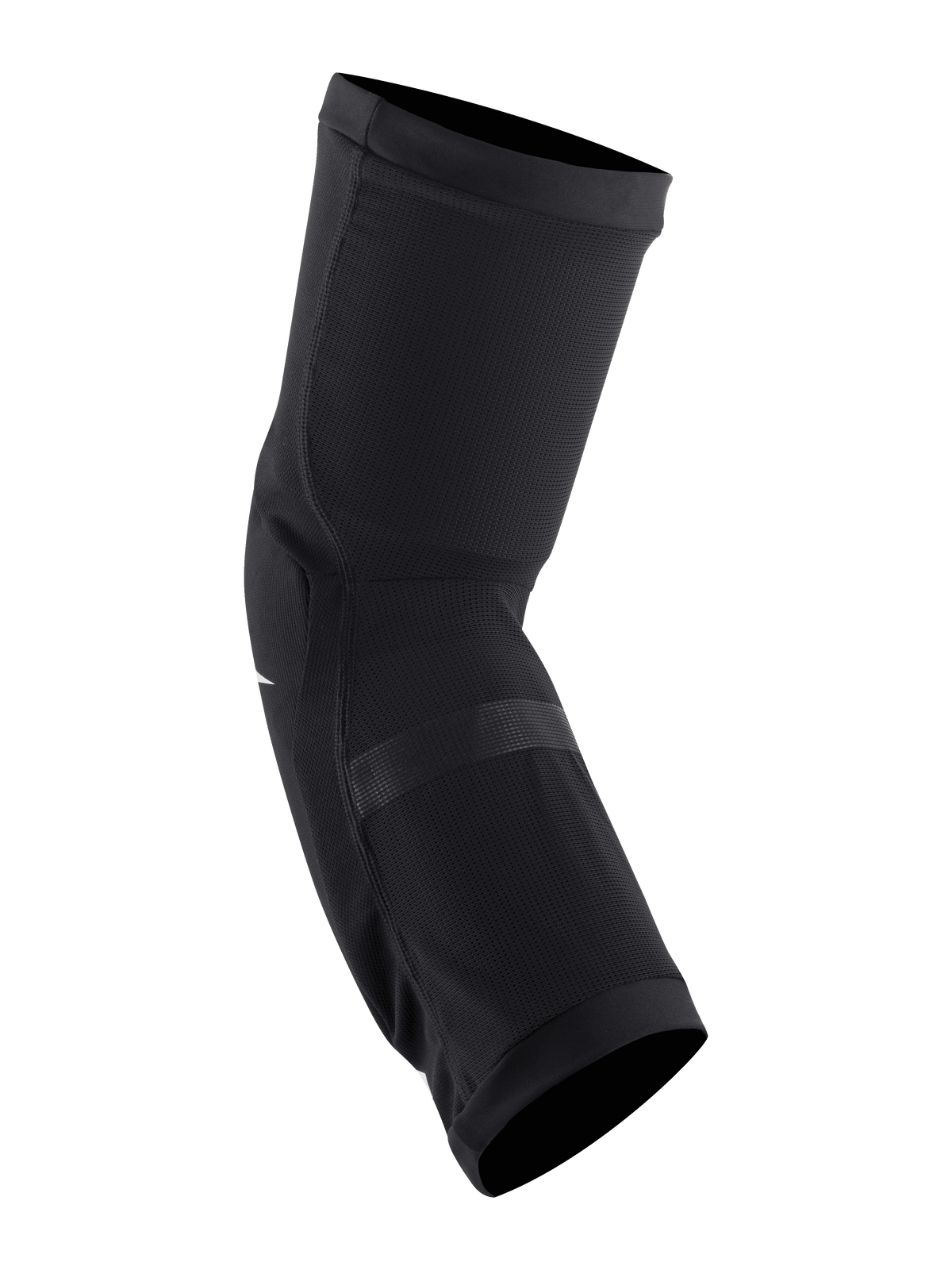
A-Motion Plasma Knäskydd -
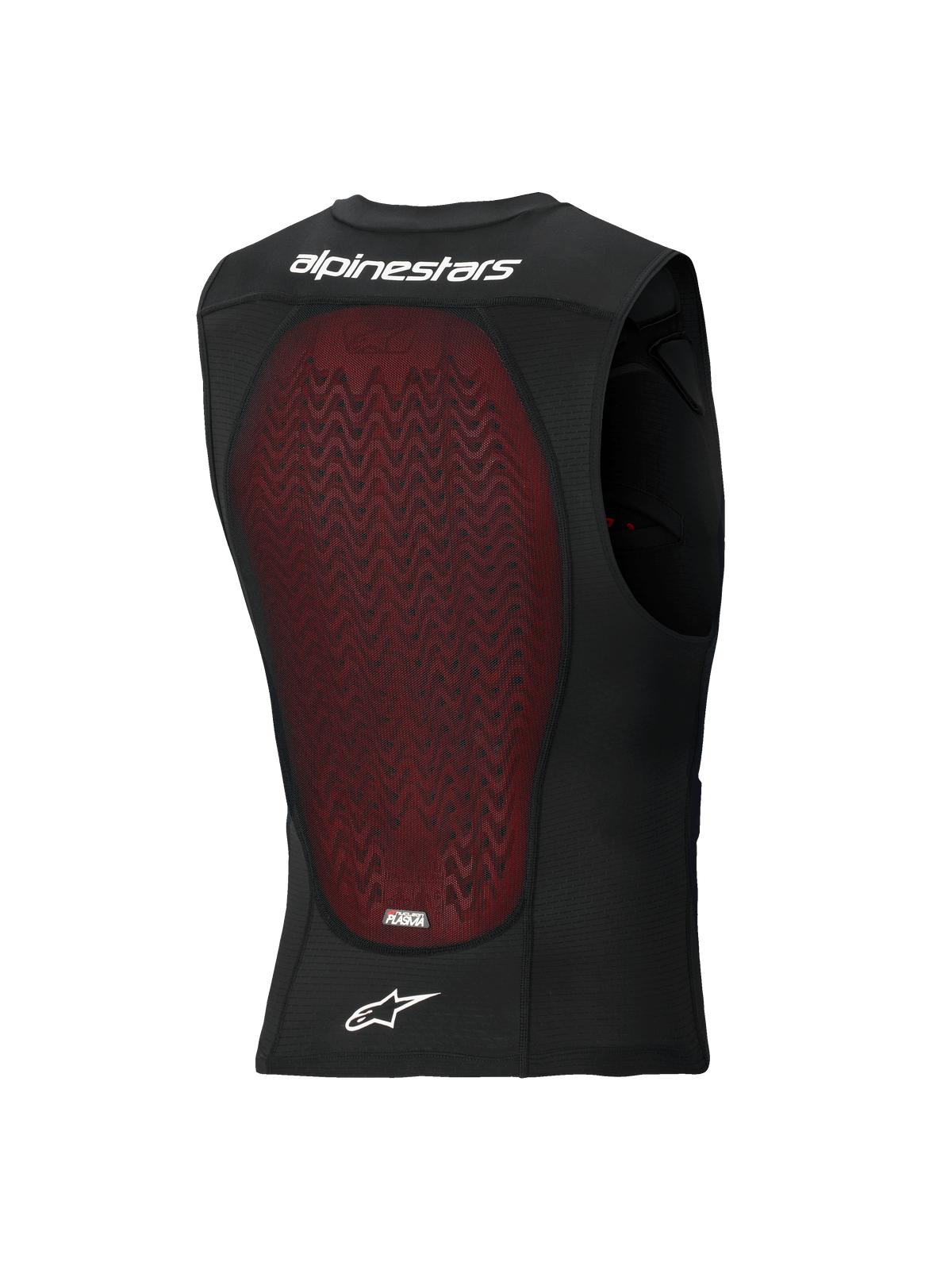
A-Motion Plasma Skyddsväst -
A-Motion Plasma Skyddsjacka -
A-Impact Plasma Pro Knä-/Benskydd -
A-Impact Plasma Pro Knäskydd -
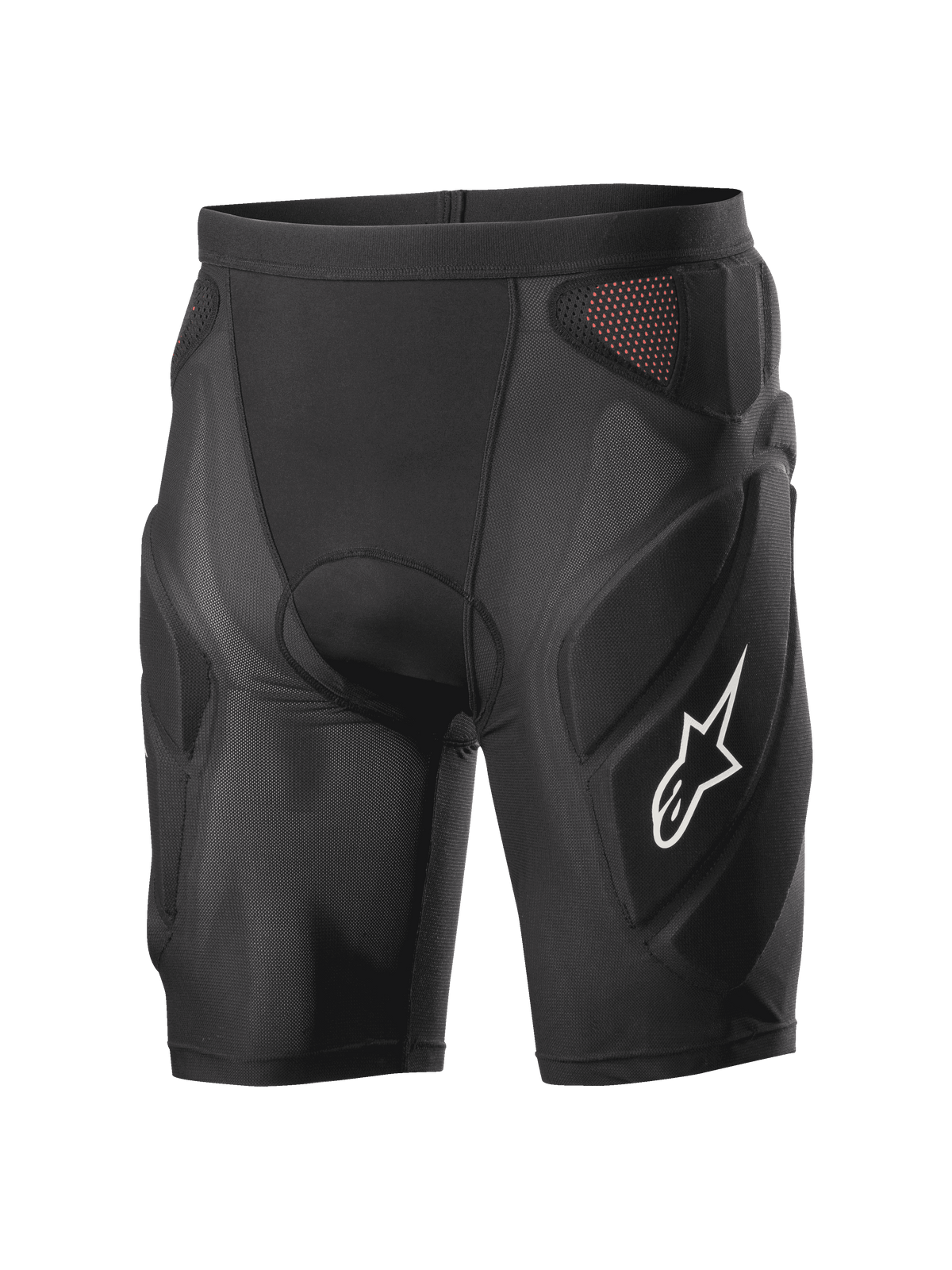
A-Motion Plasma Skyddande Boxershorts -
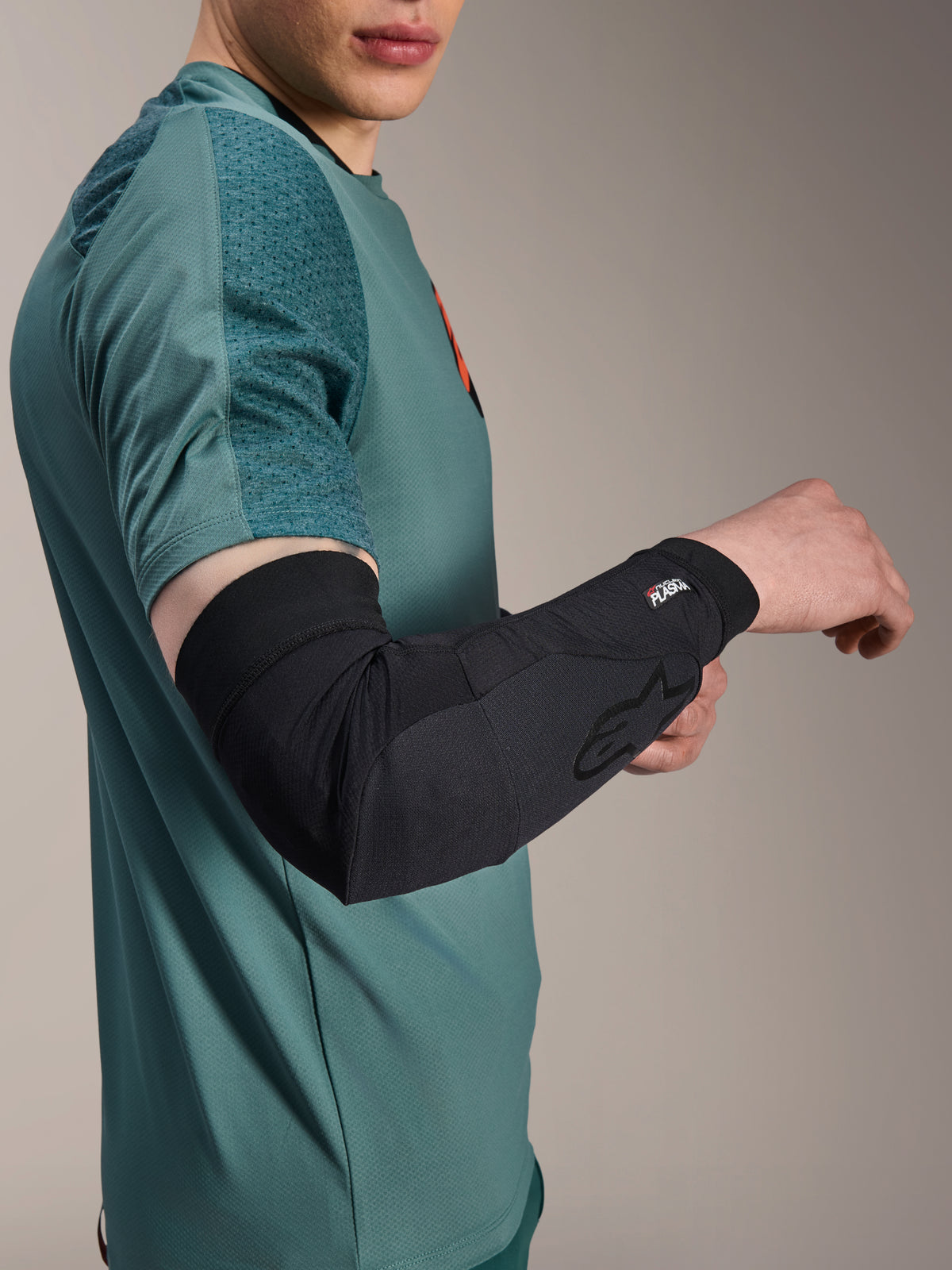
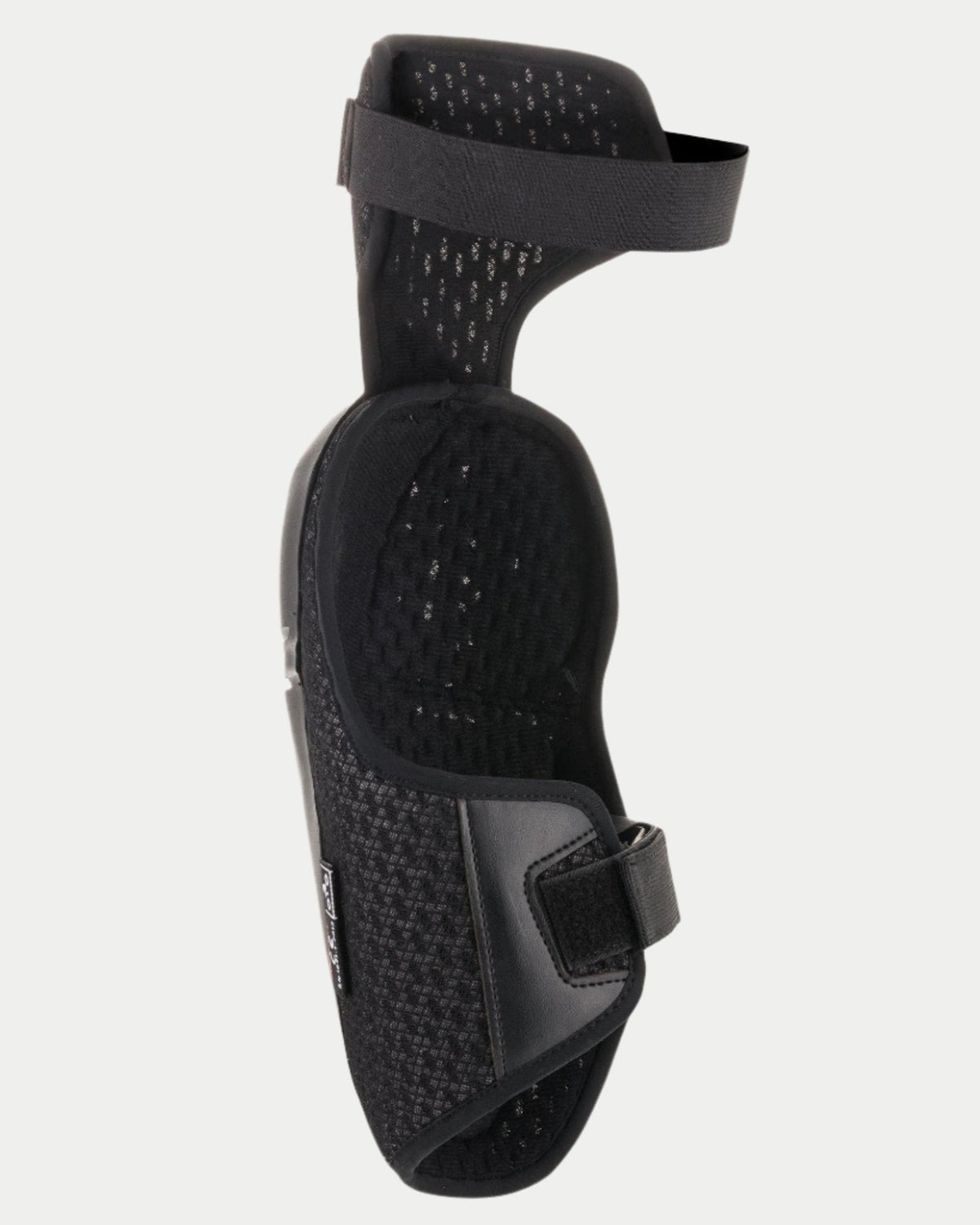
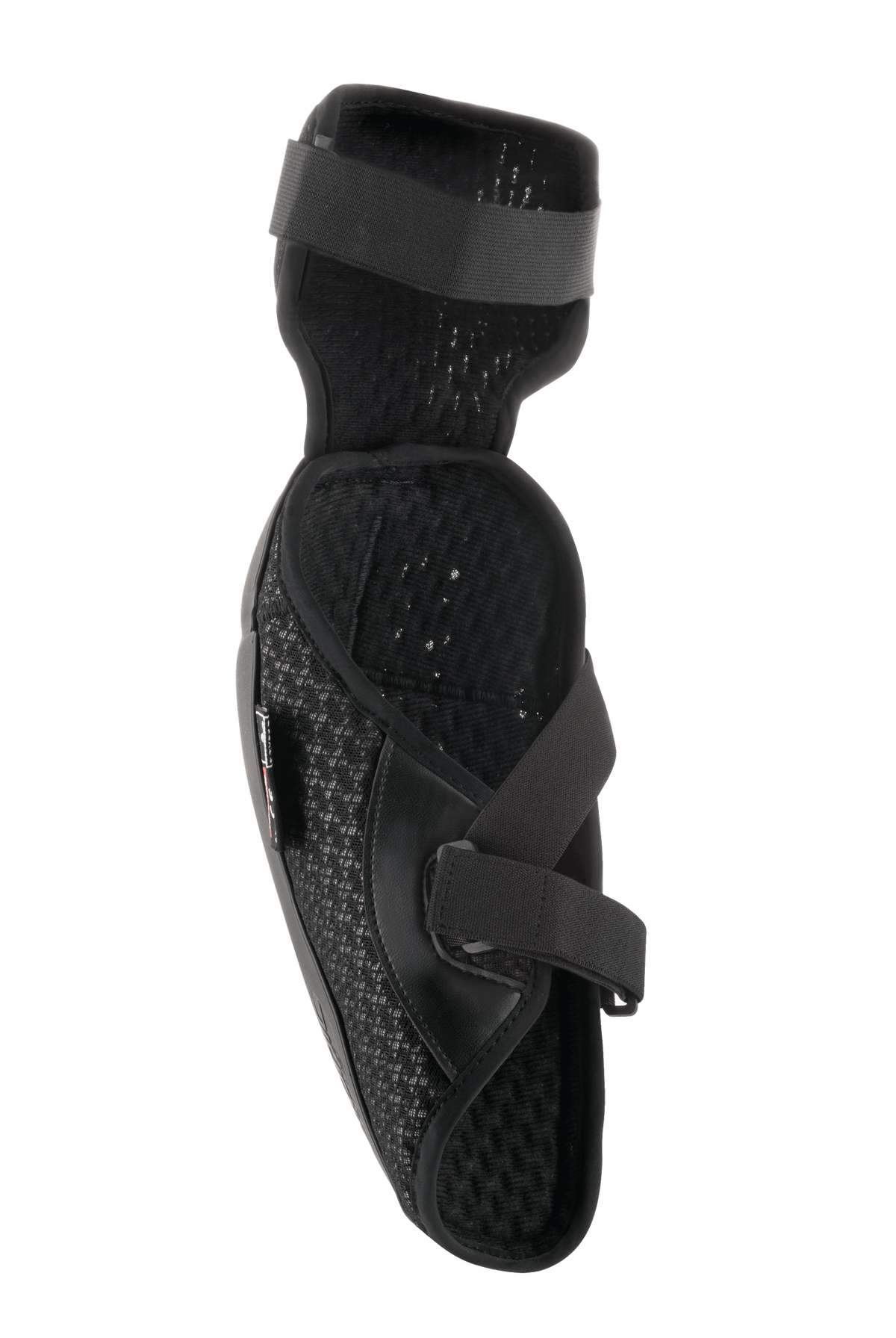
A-Motion Plasma Armbågsskydd -
Paragon Plus Knä-/Benskydd -
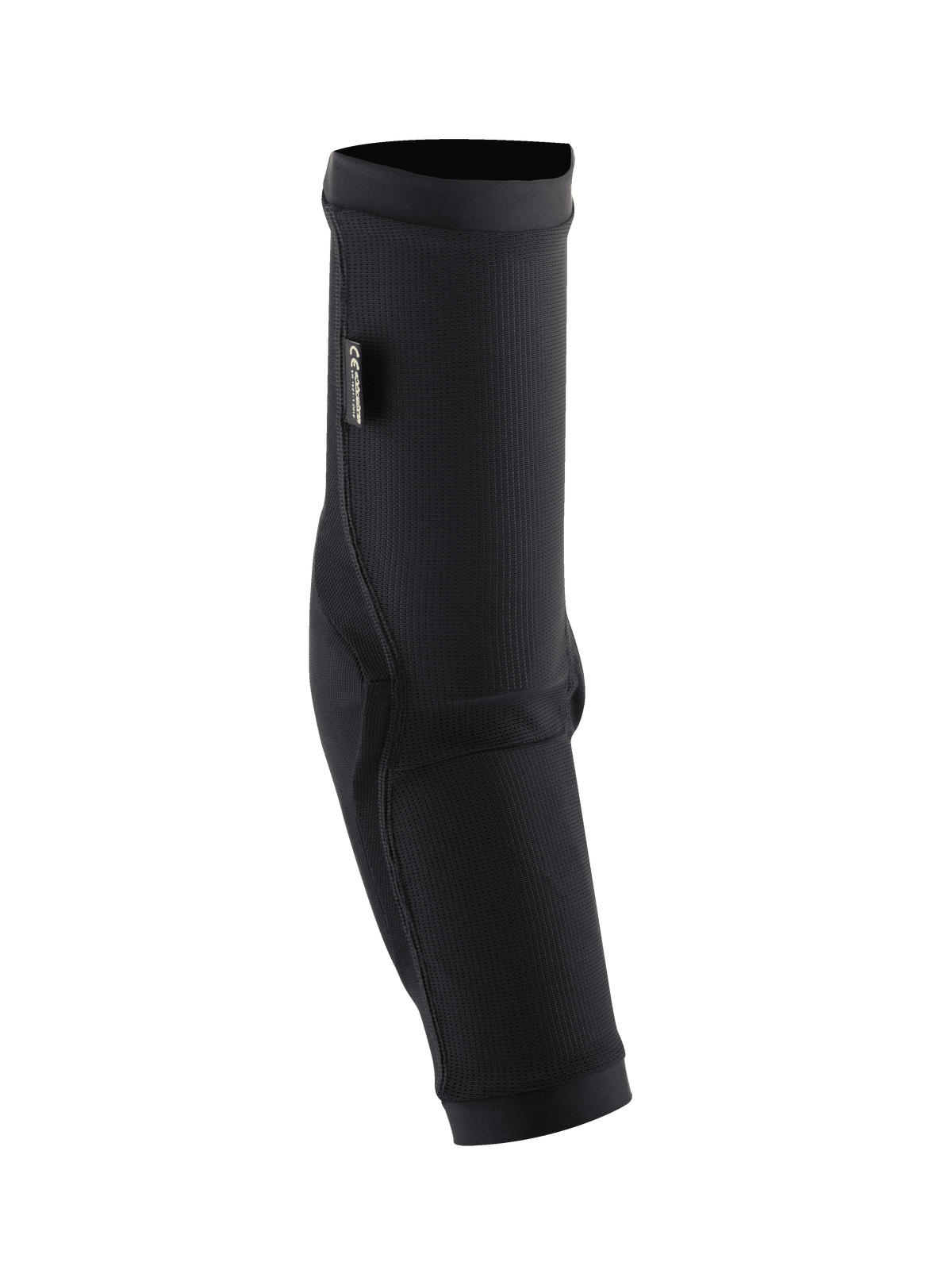
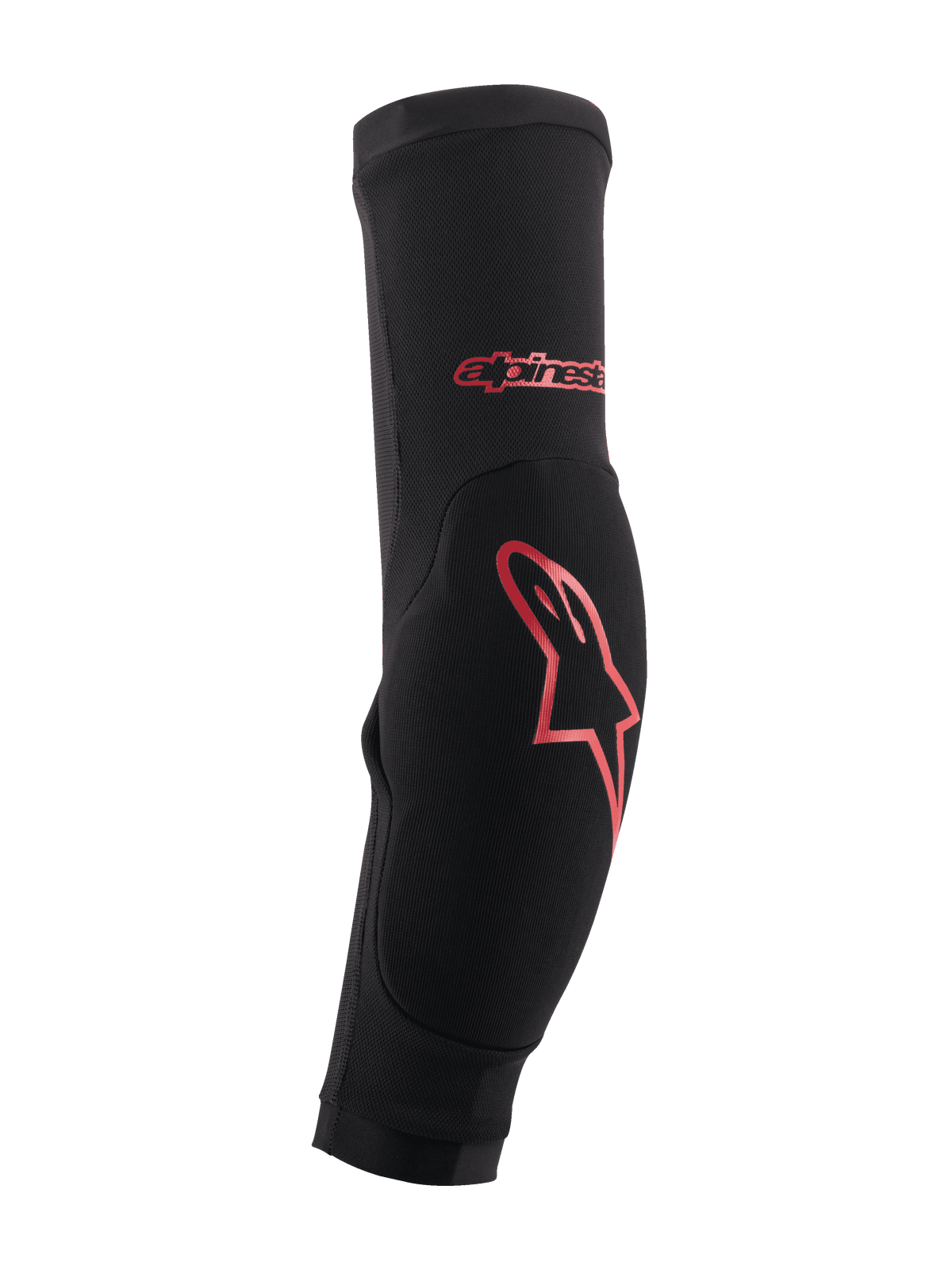
Paragon Plus Armbågsskydd -
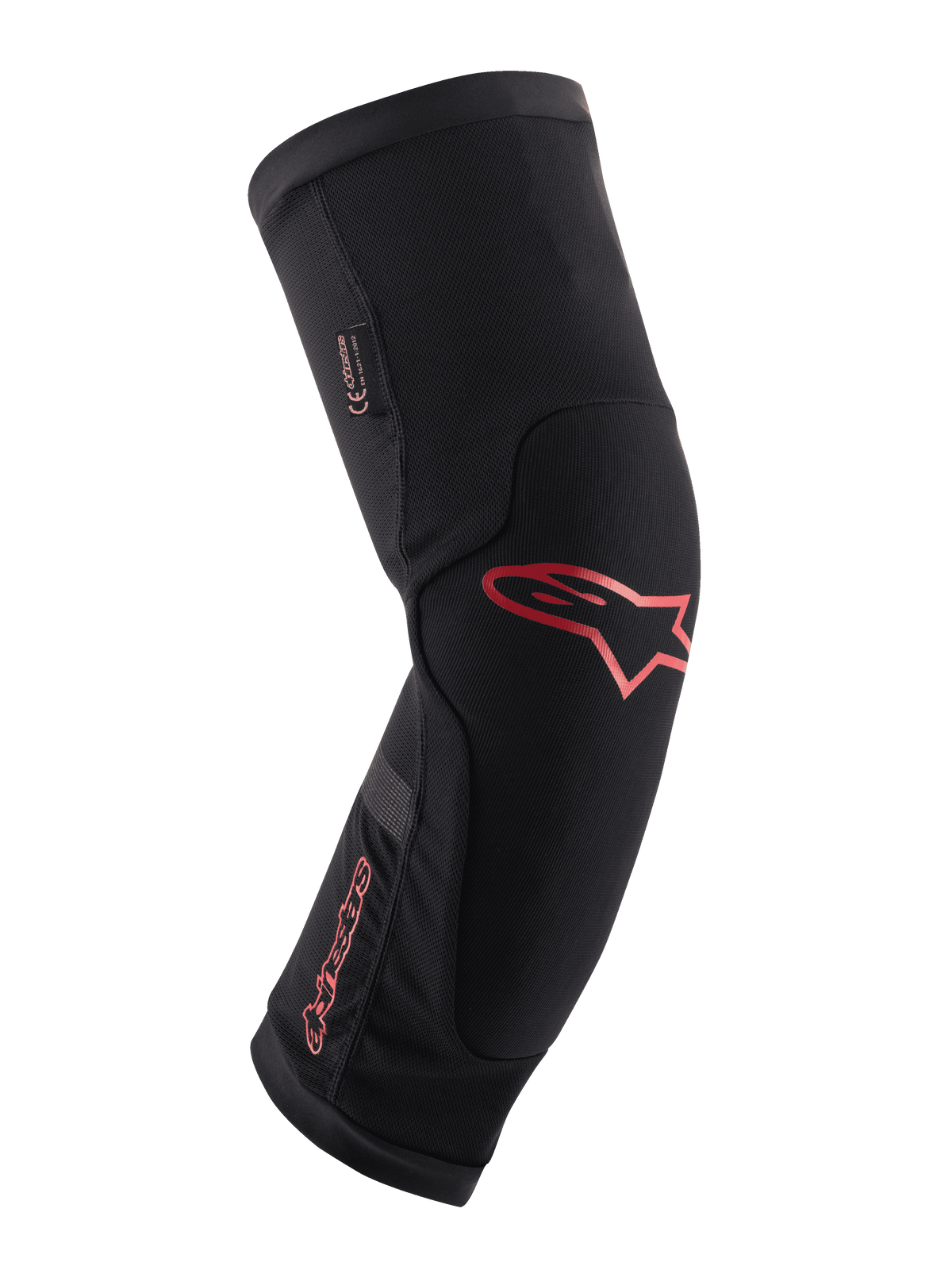
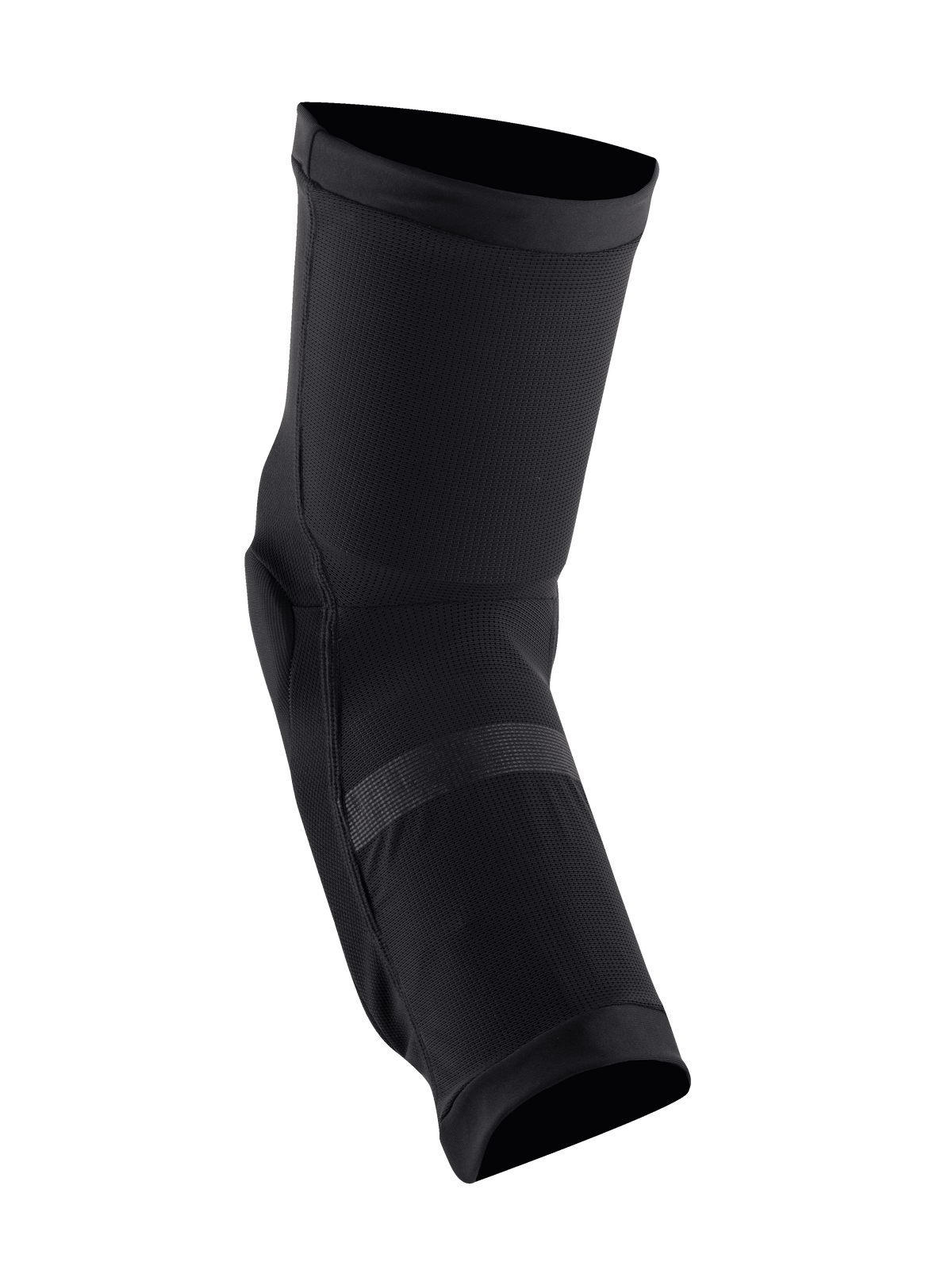
Paragon Plus Knäskydd -
Paragon Plus Armbågsskydd -
Paragon Plus Knäskydd -
Paragon Plus Armbågsskydd -
Paragon Plus Knäskydd -
Paragon Plus Knäskydd -
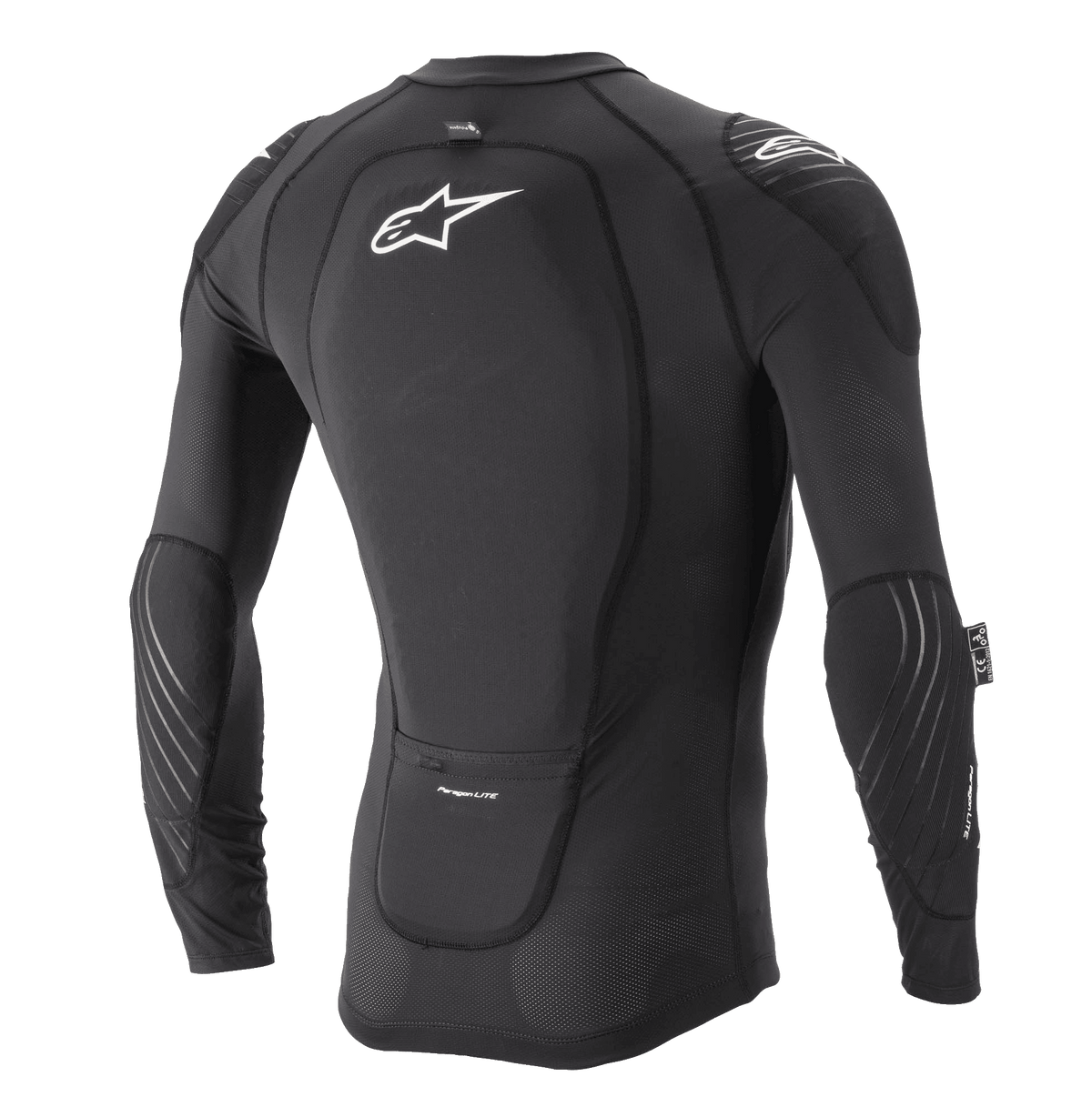
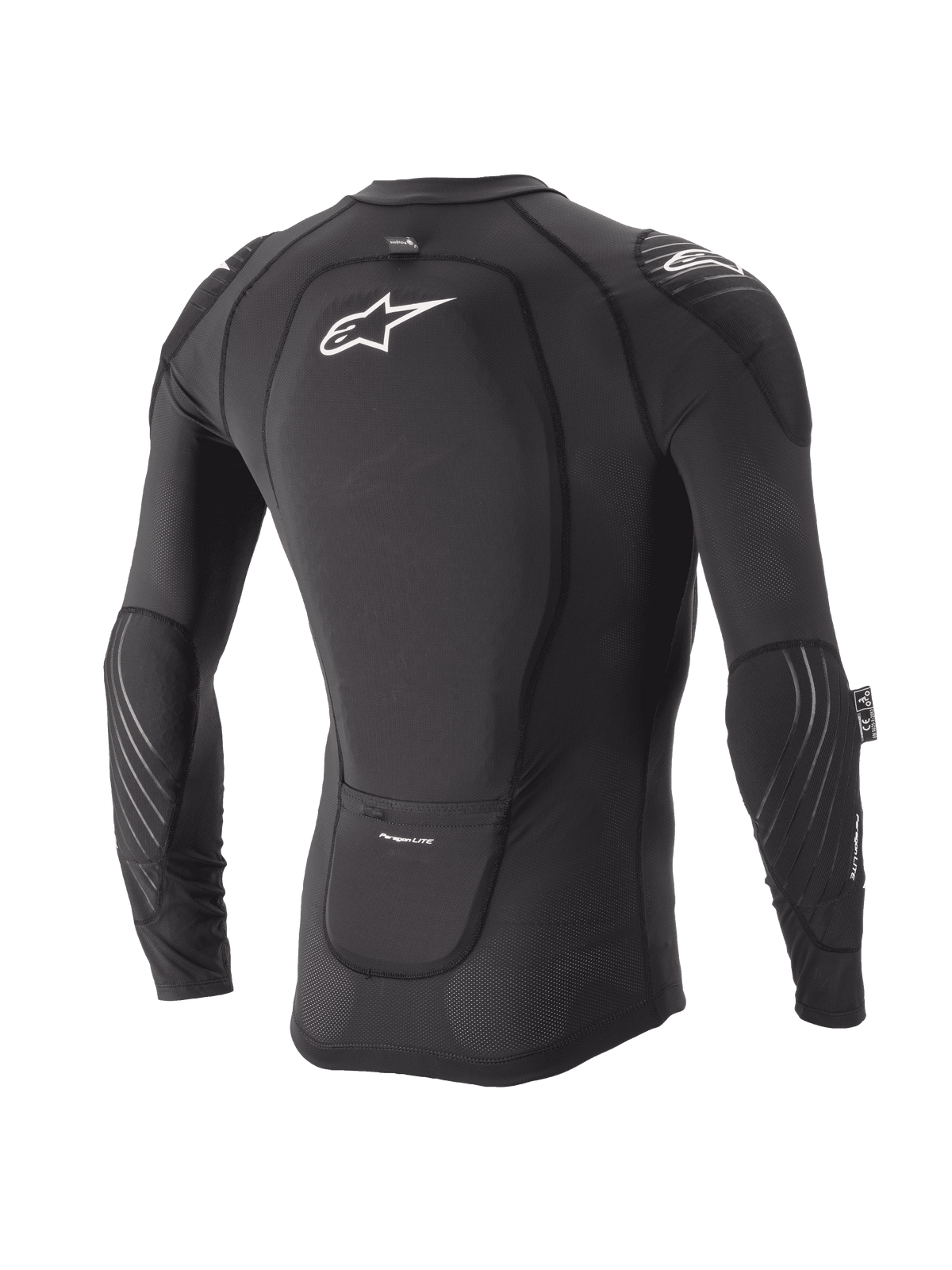
Paragon Lite Skyddsjacka -
Paragon Lite Skyddsjacka -
Ungdom Paragon Lite Skyddsjacka -
A-Impact Plasma Skyddsjacka -
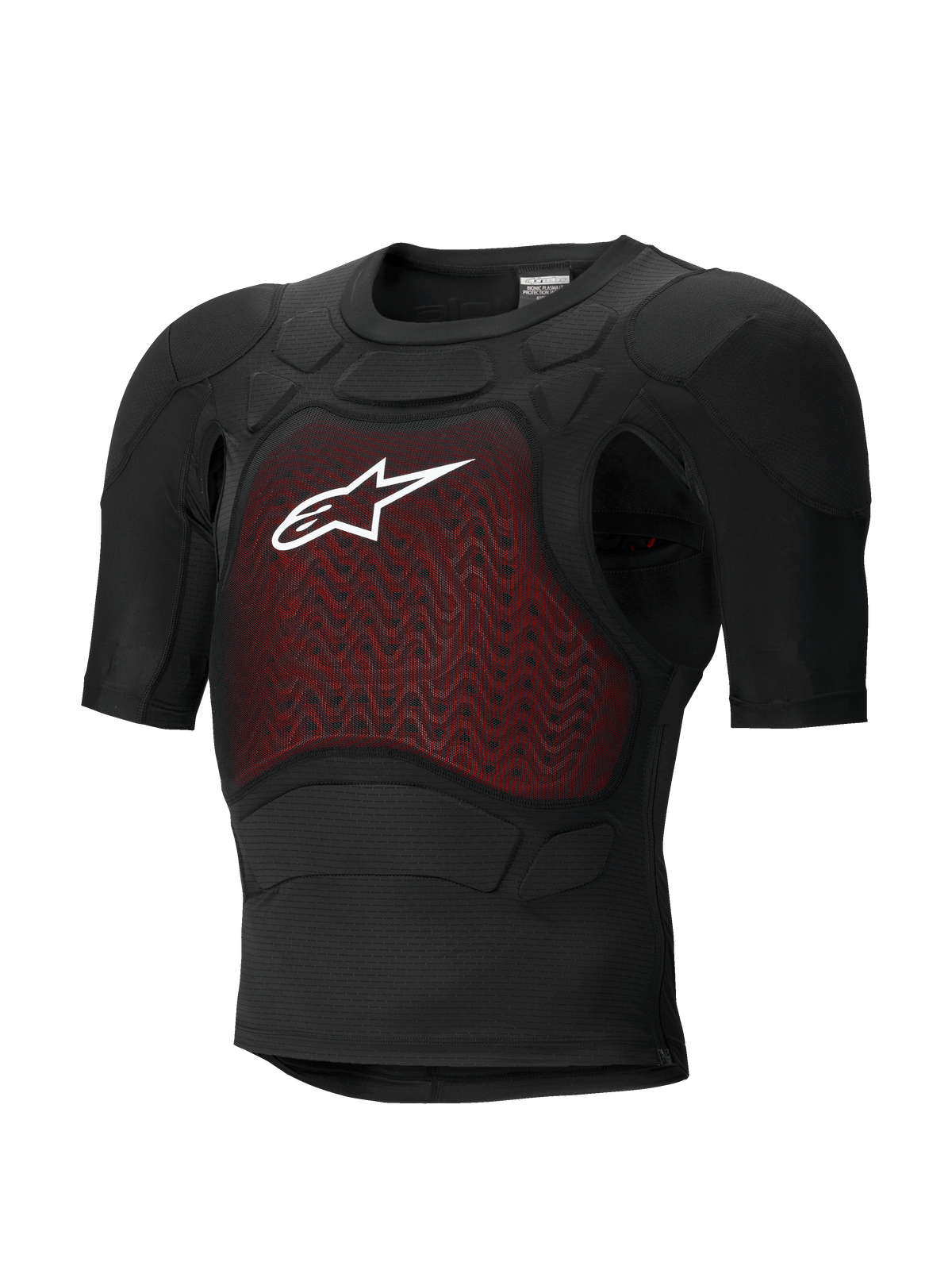
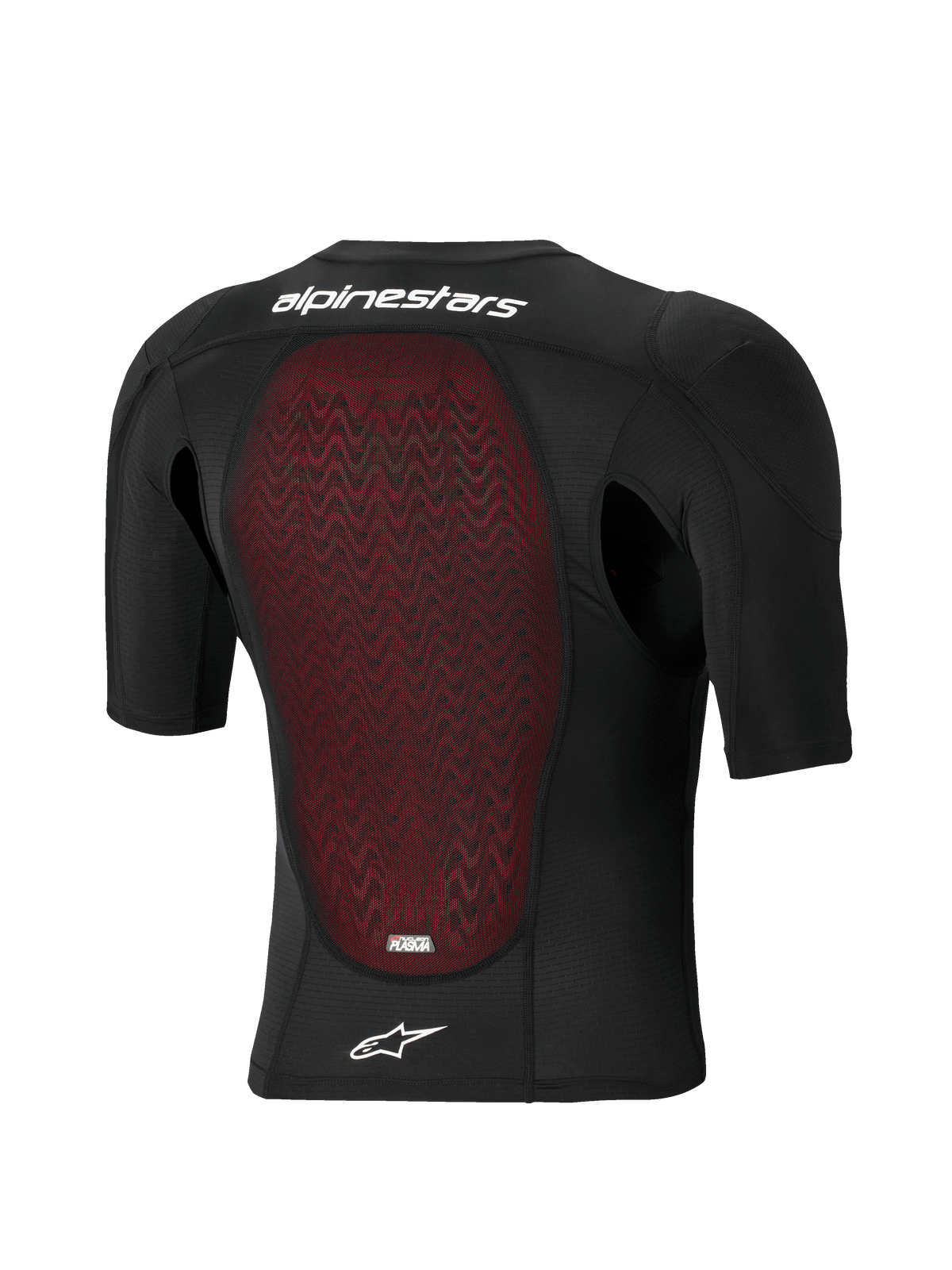
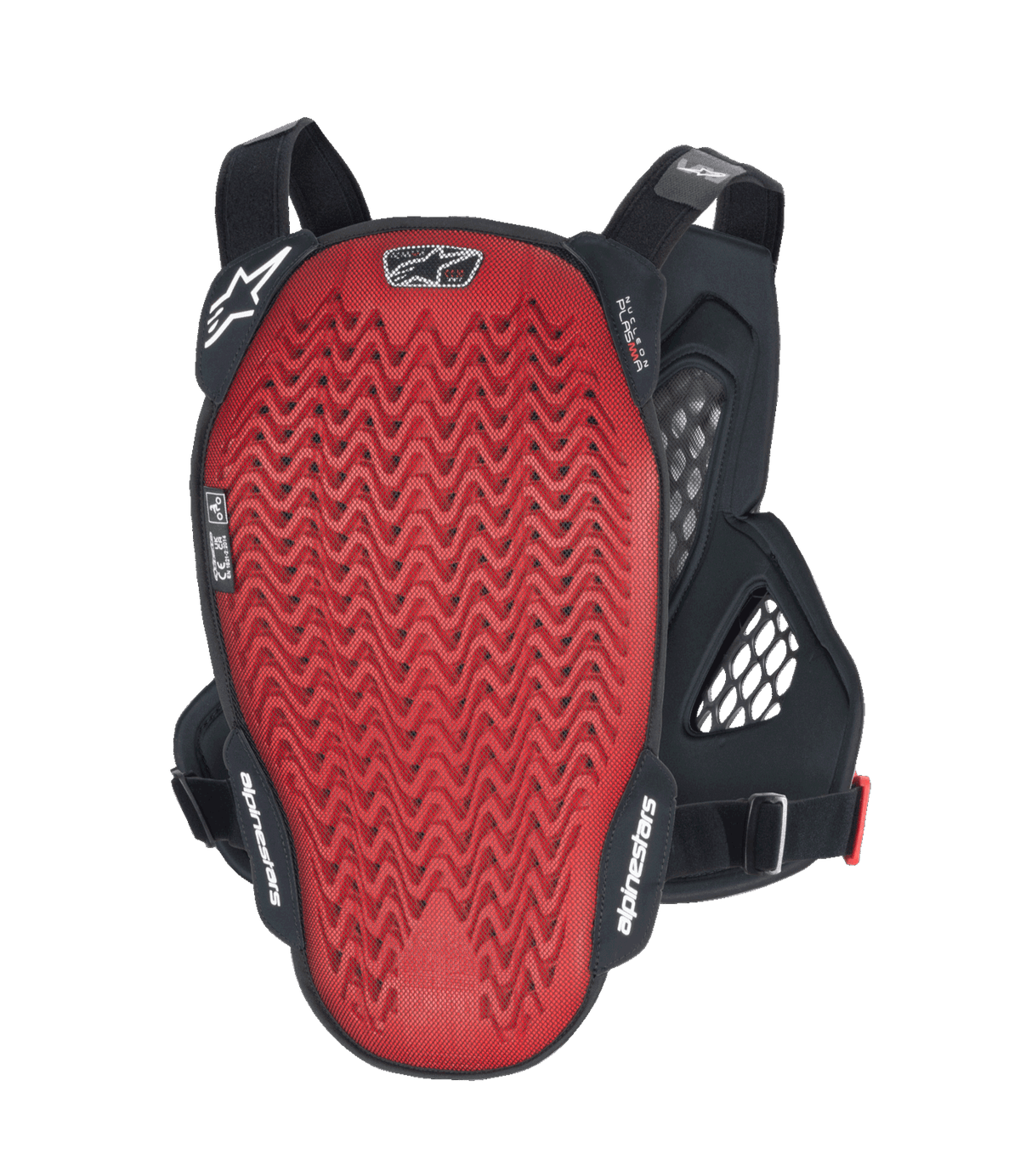
Bionic Plasma Light Skyddsväst -
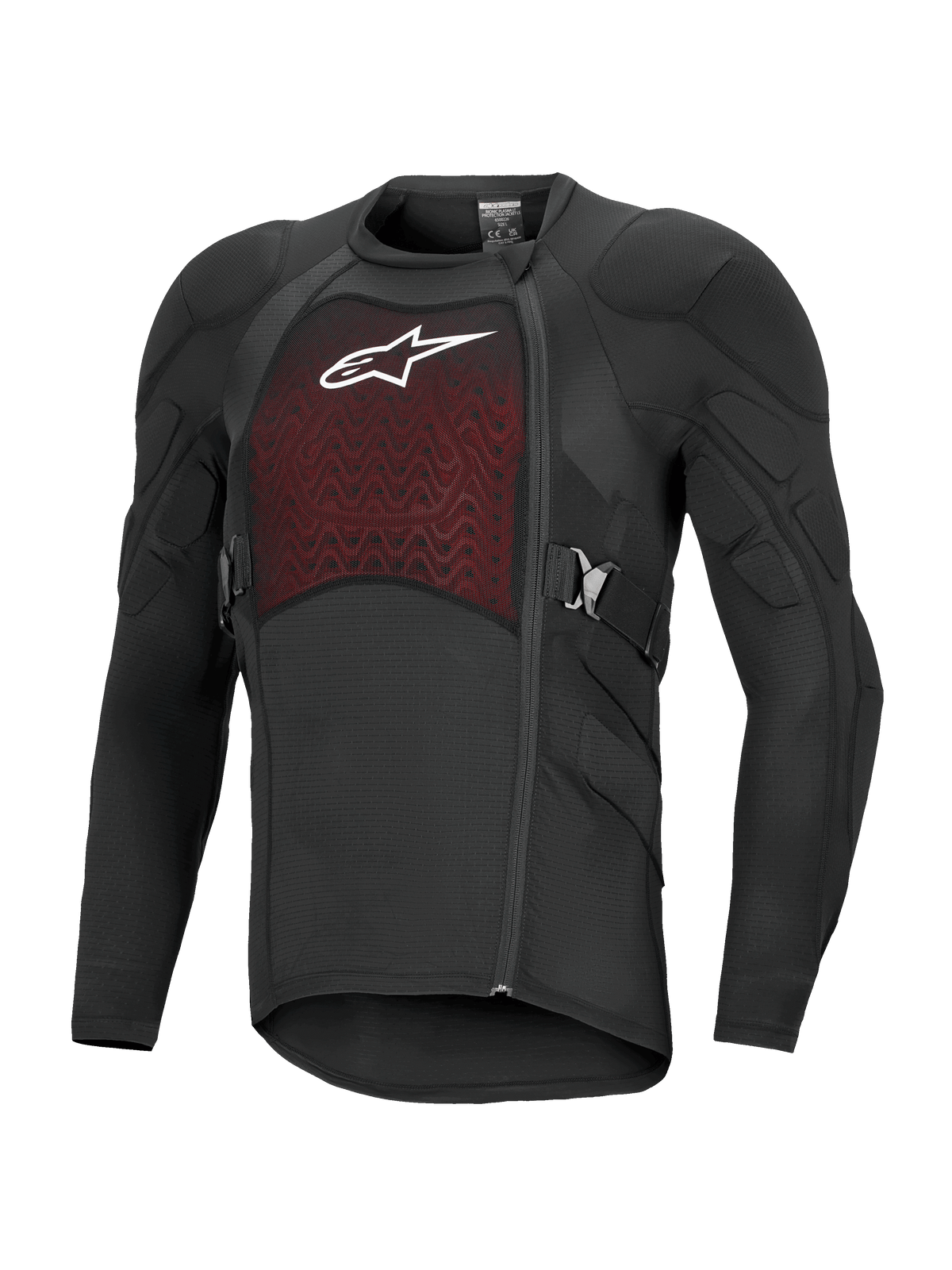
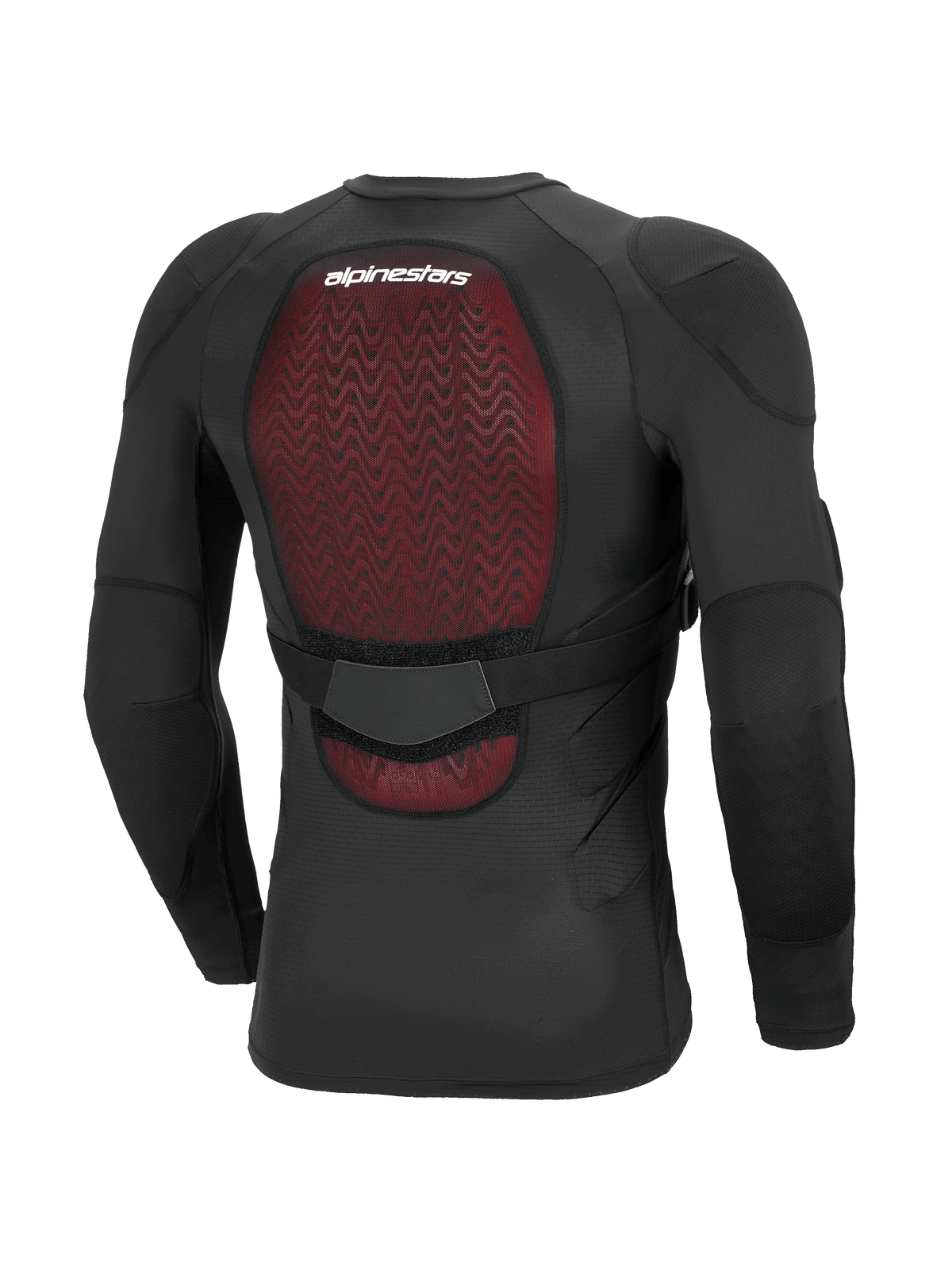
Bionic Plasma Light Skyddsjacka -
Bionic Plasma Light Skyddsjacka -
Bionic Plasma Light Ungdom Skyddsjacka -
Bionic Plus Knäskydd -
Bionic Plus Armbågsskydd -
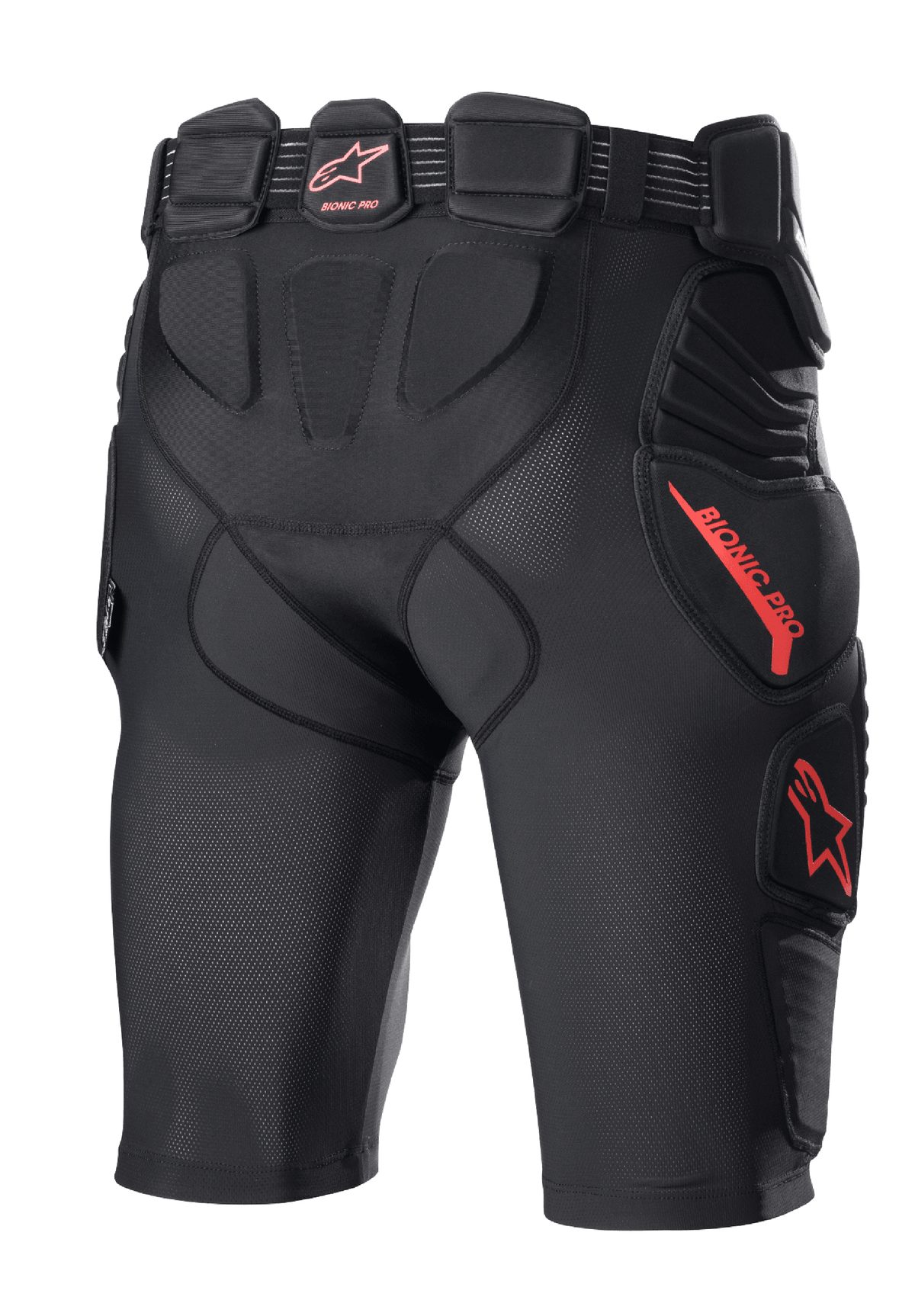
Bionic Pro Skyddsshorts -
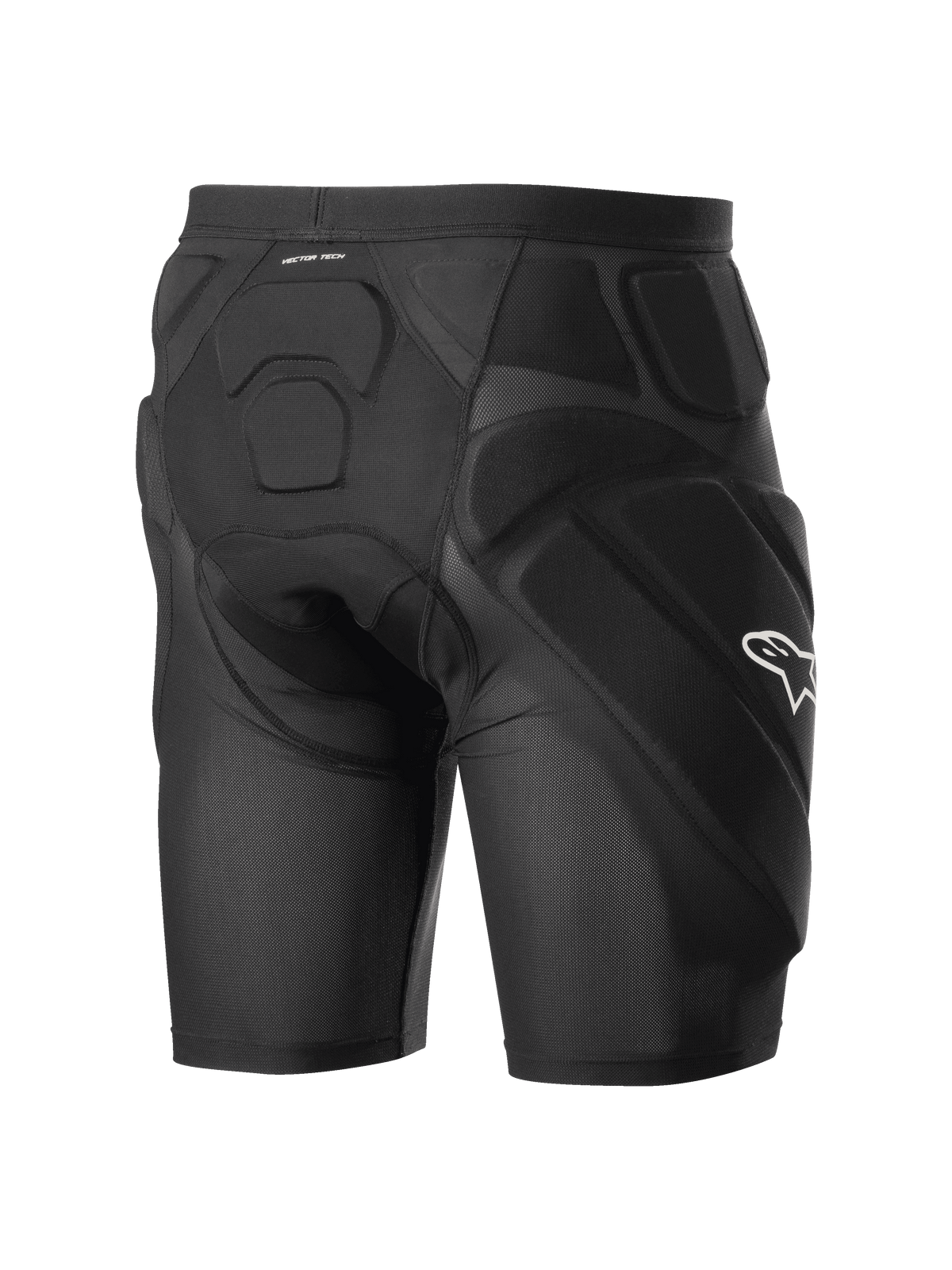
Vector Tech Skyddsshorts -
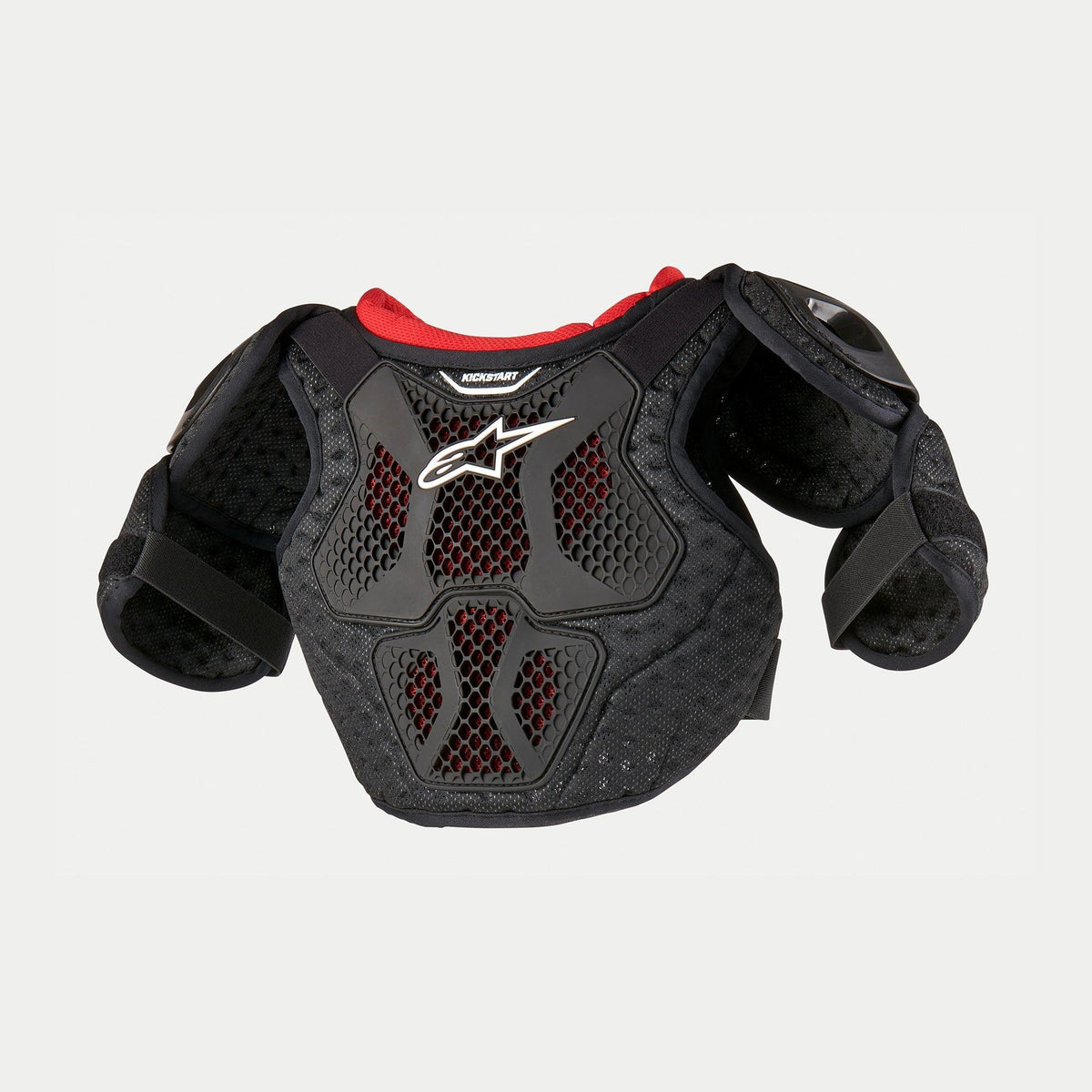
Ungdom Bionic Action Kickstart Bröstskydd -
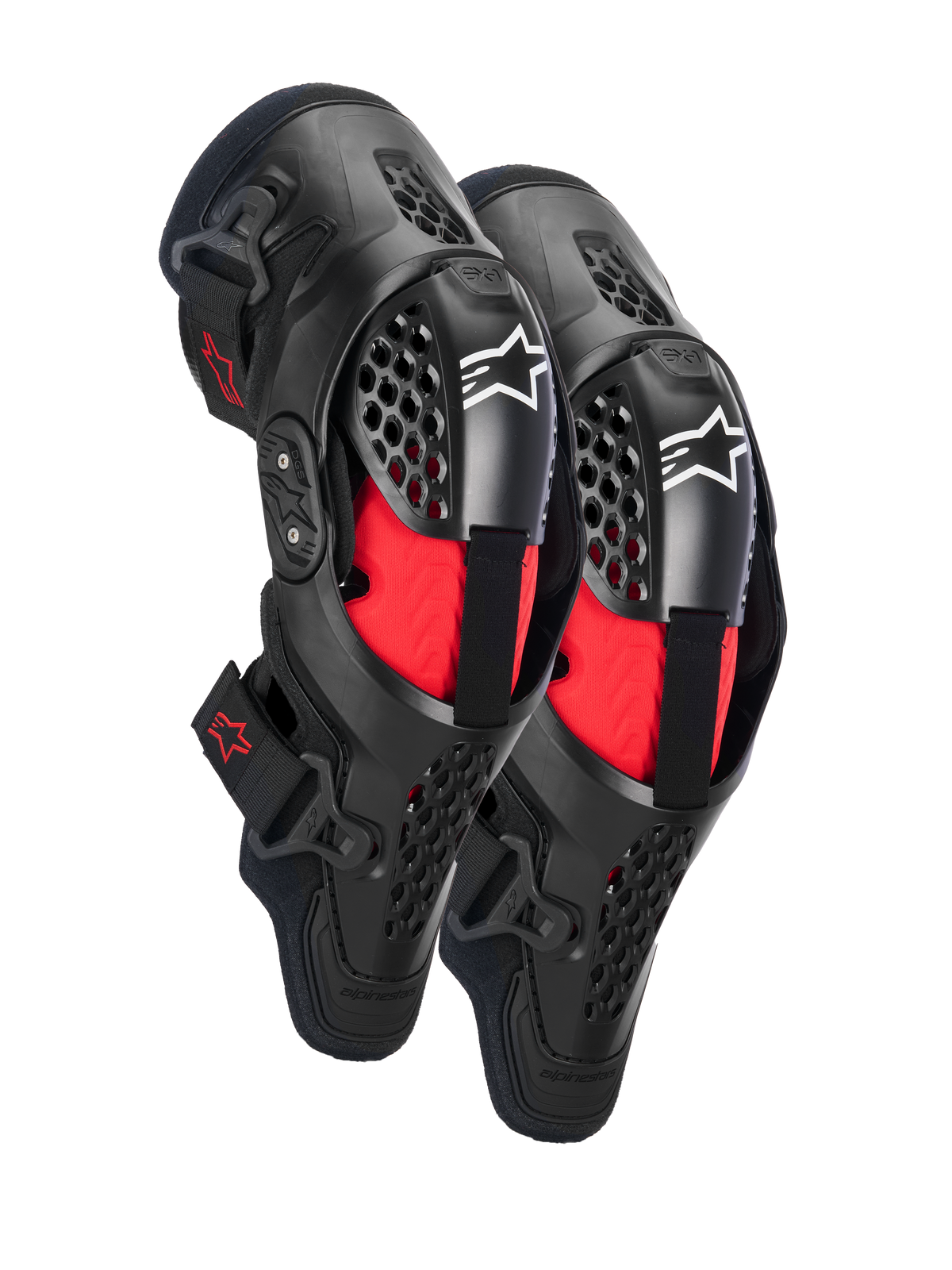
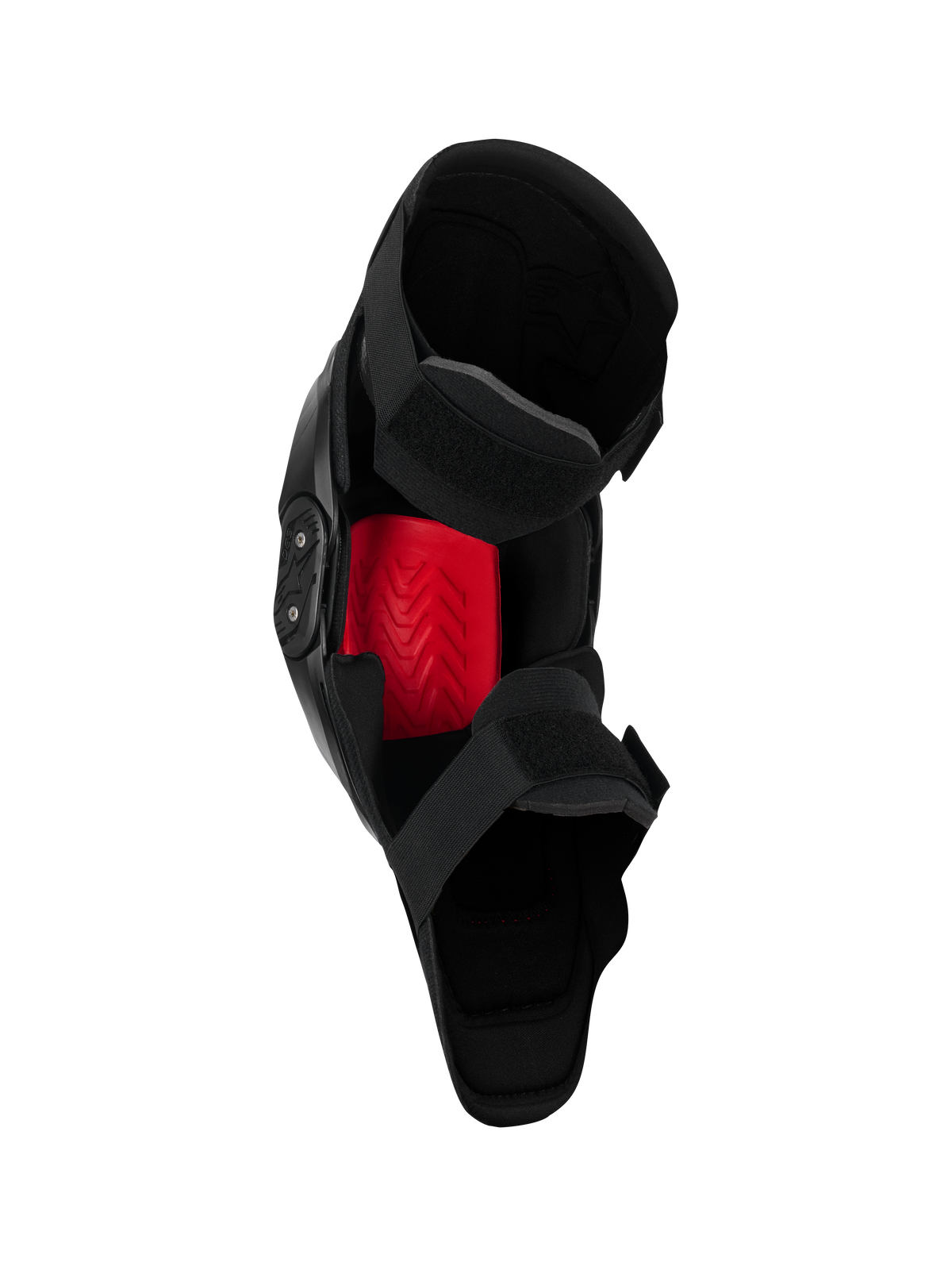
SX-1 Plasma Knäskydd -
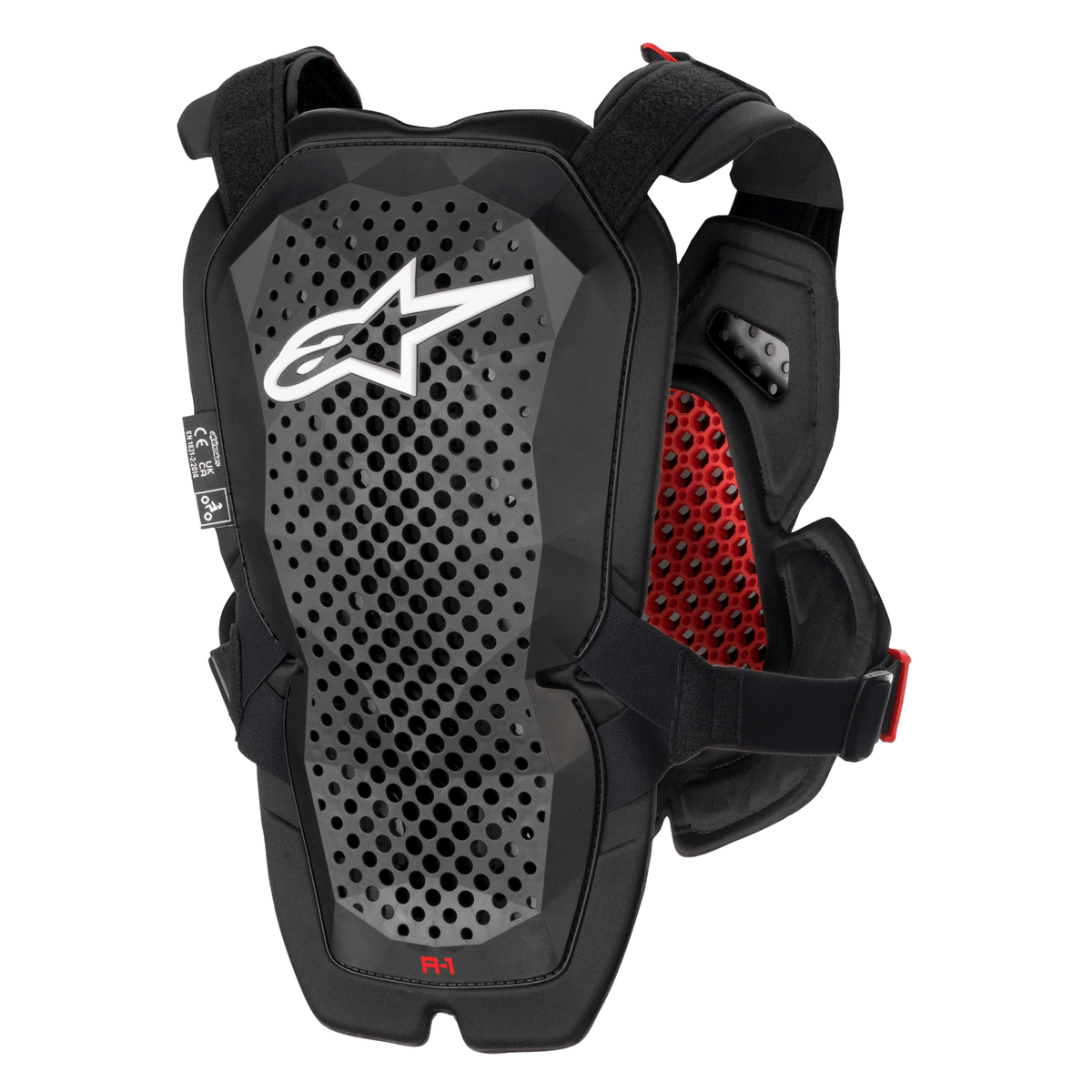
A-1 Pro Bröstskydd -
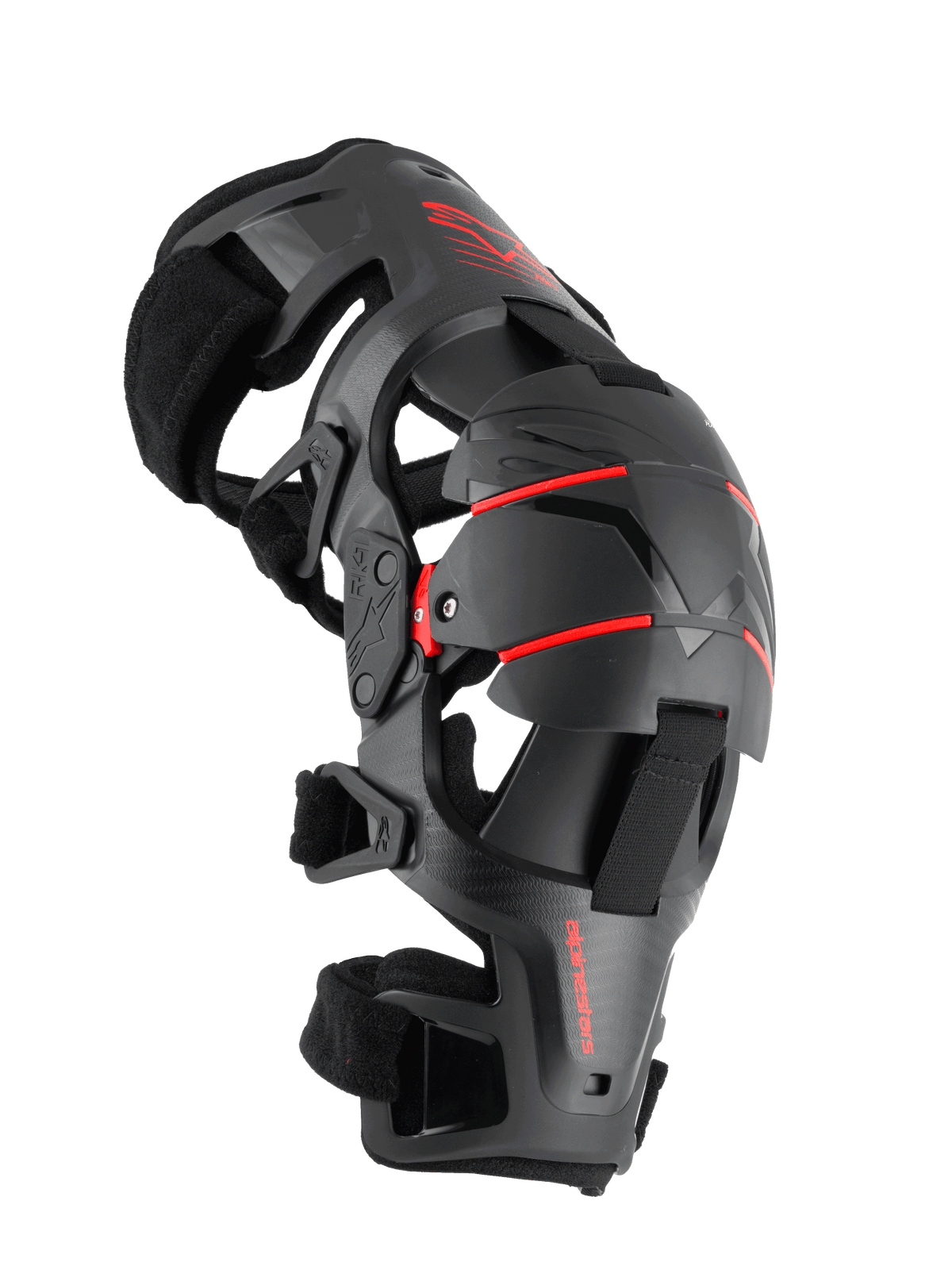
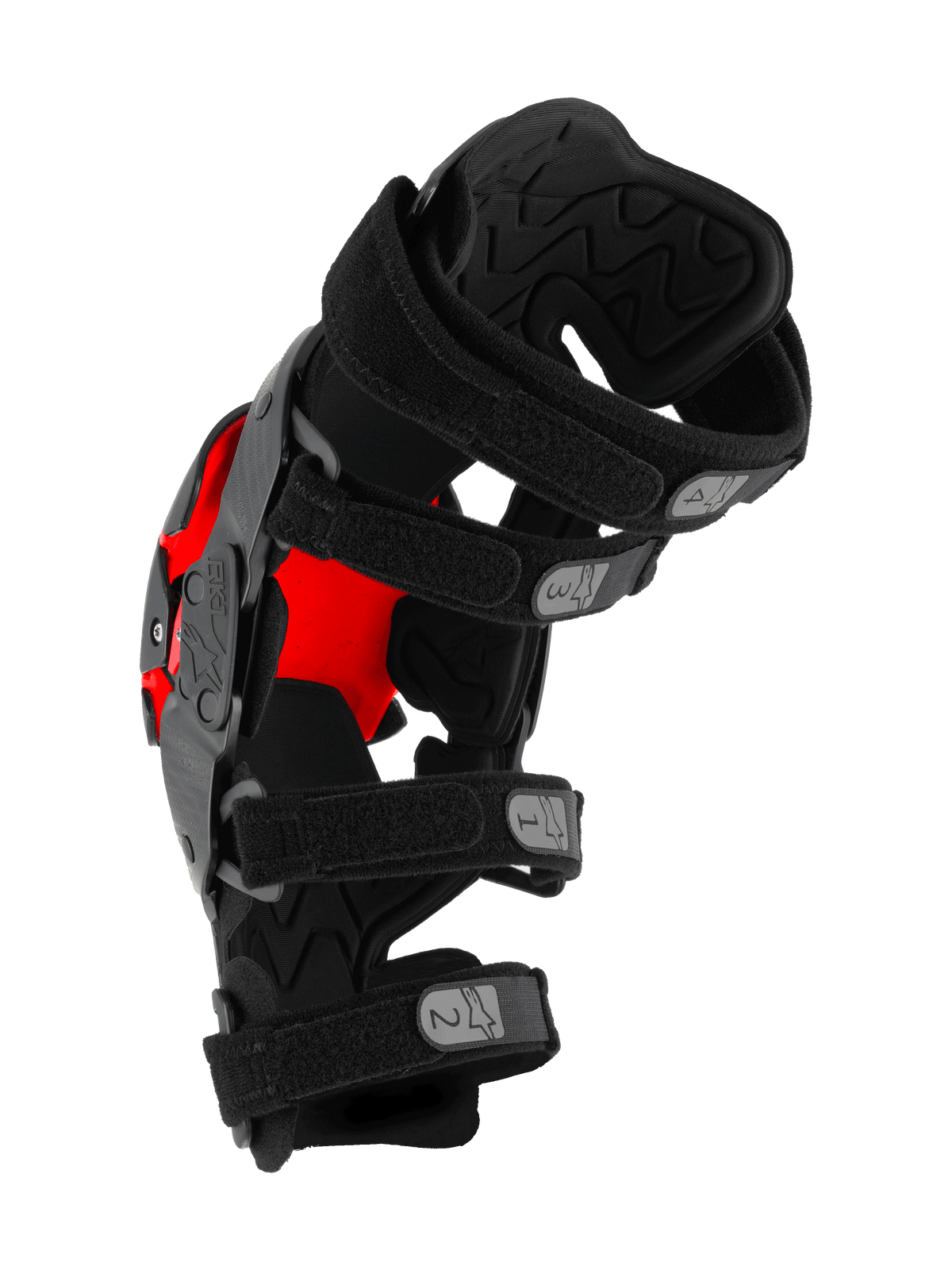
Rk-1 Plasma Knäskydd -
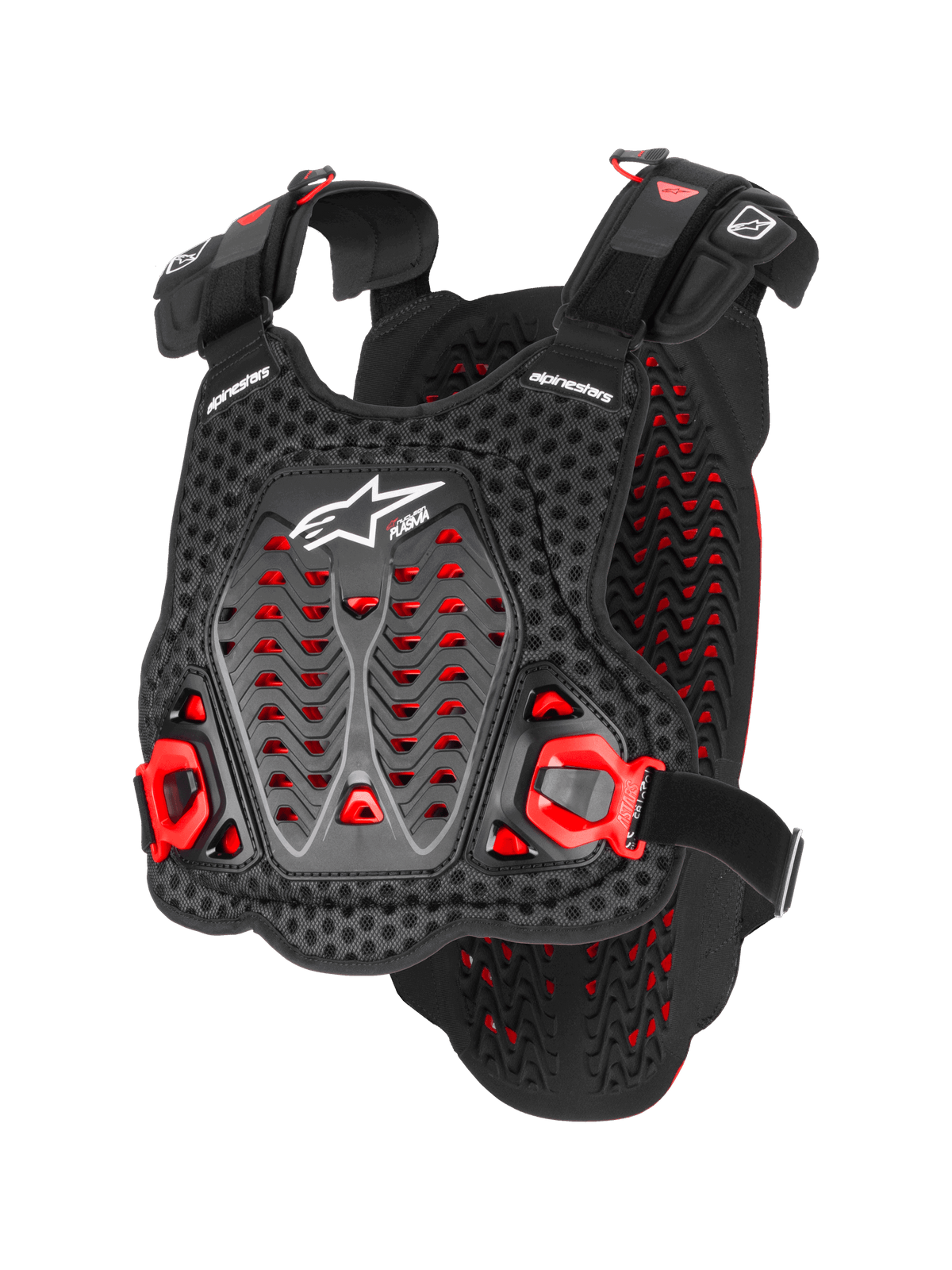
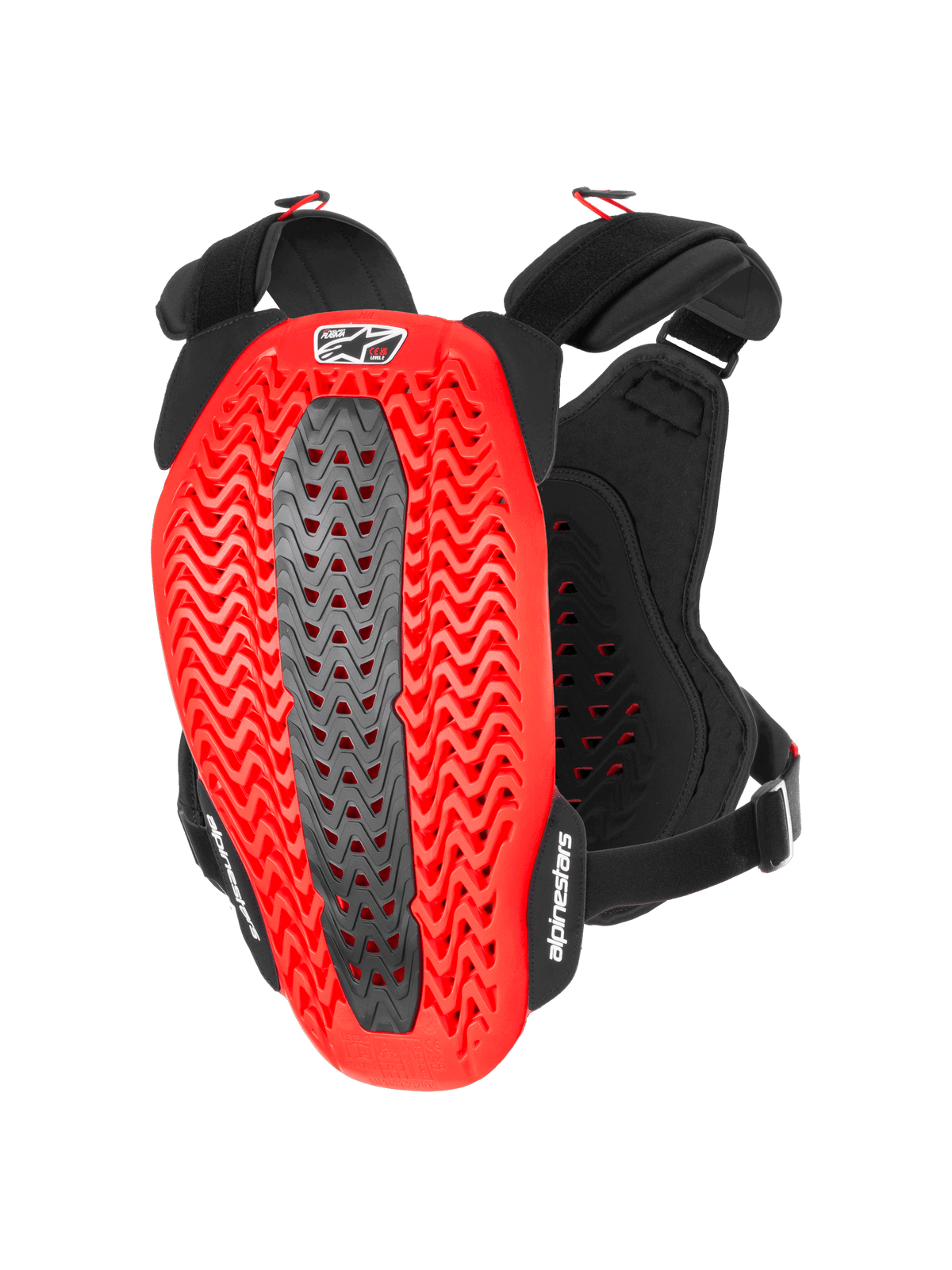
A-5 Plasma Bröstskydd -
A-6 Plasma Bröstskydd -
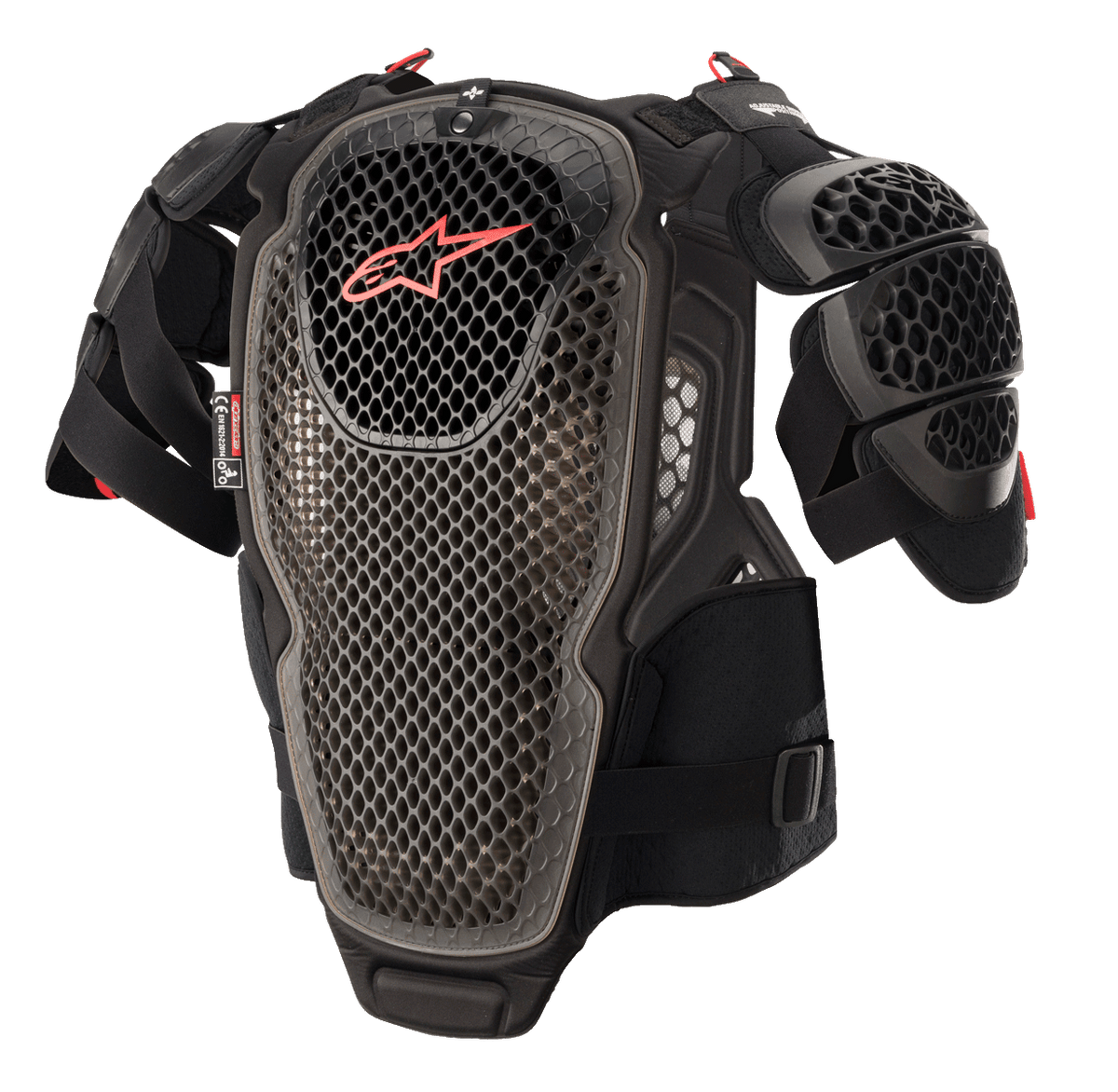
A-6 Bröstskydd -
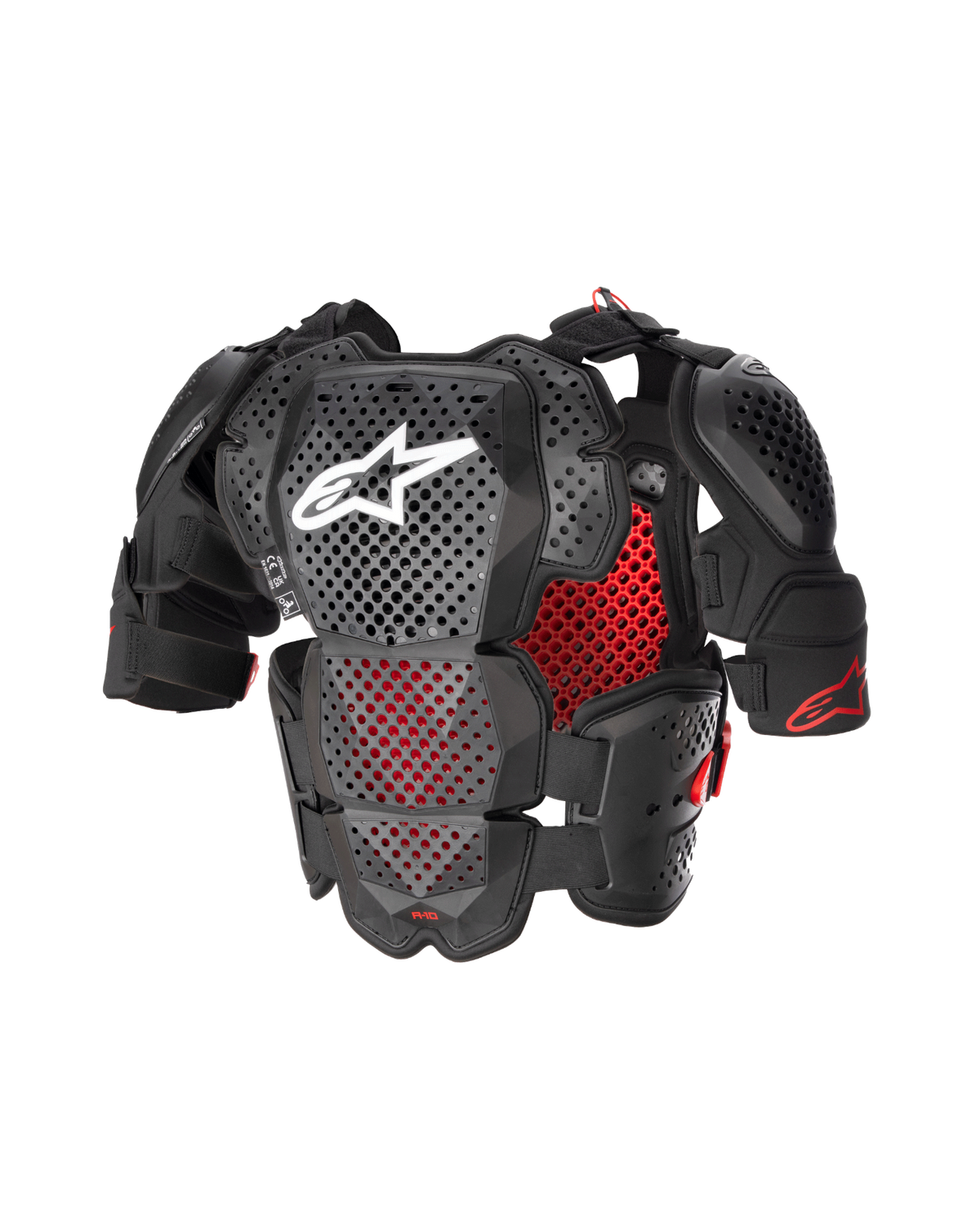
A-10 V2 Fullt Bröstskydd






















































Vanliga frågor Dölj vanliga frågor
Vilka typer av MTB-skydd ingår i den här kollektionen?
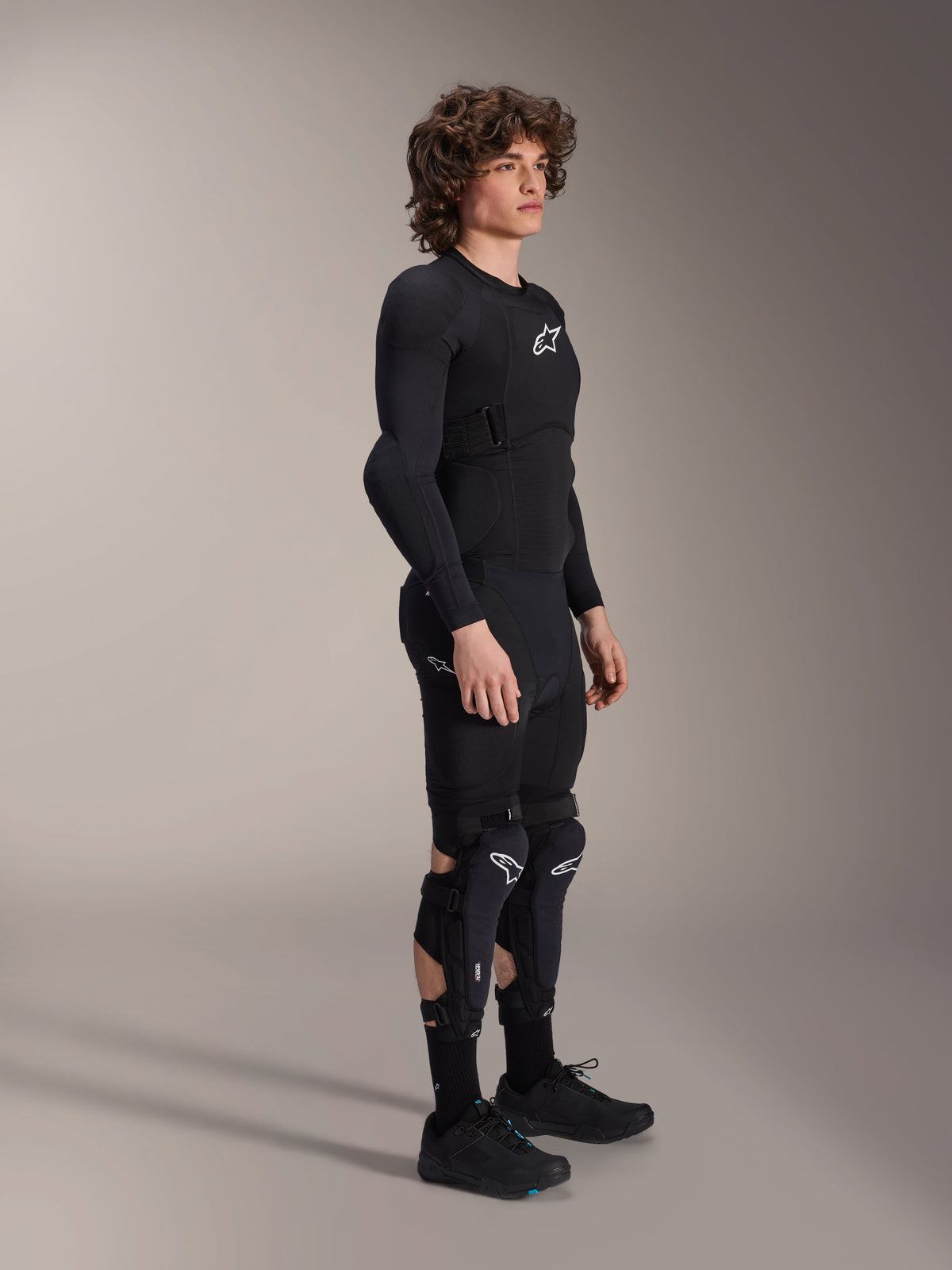
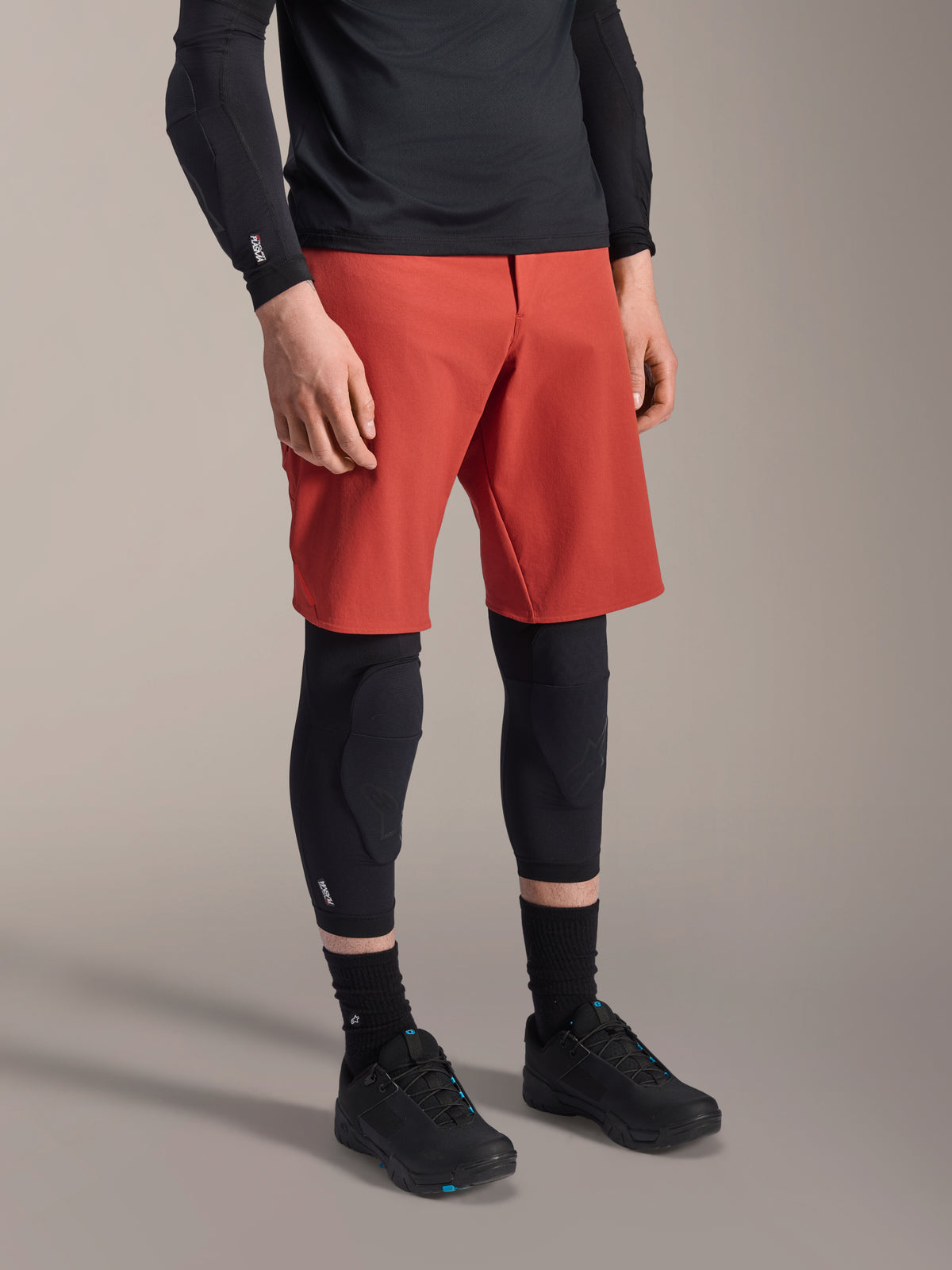
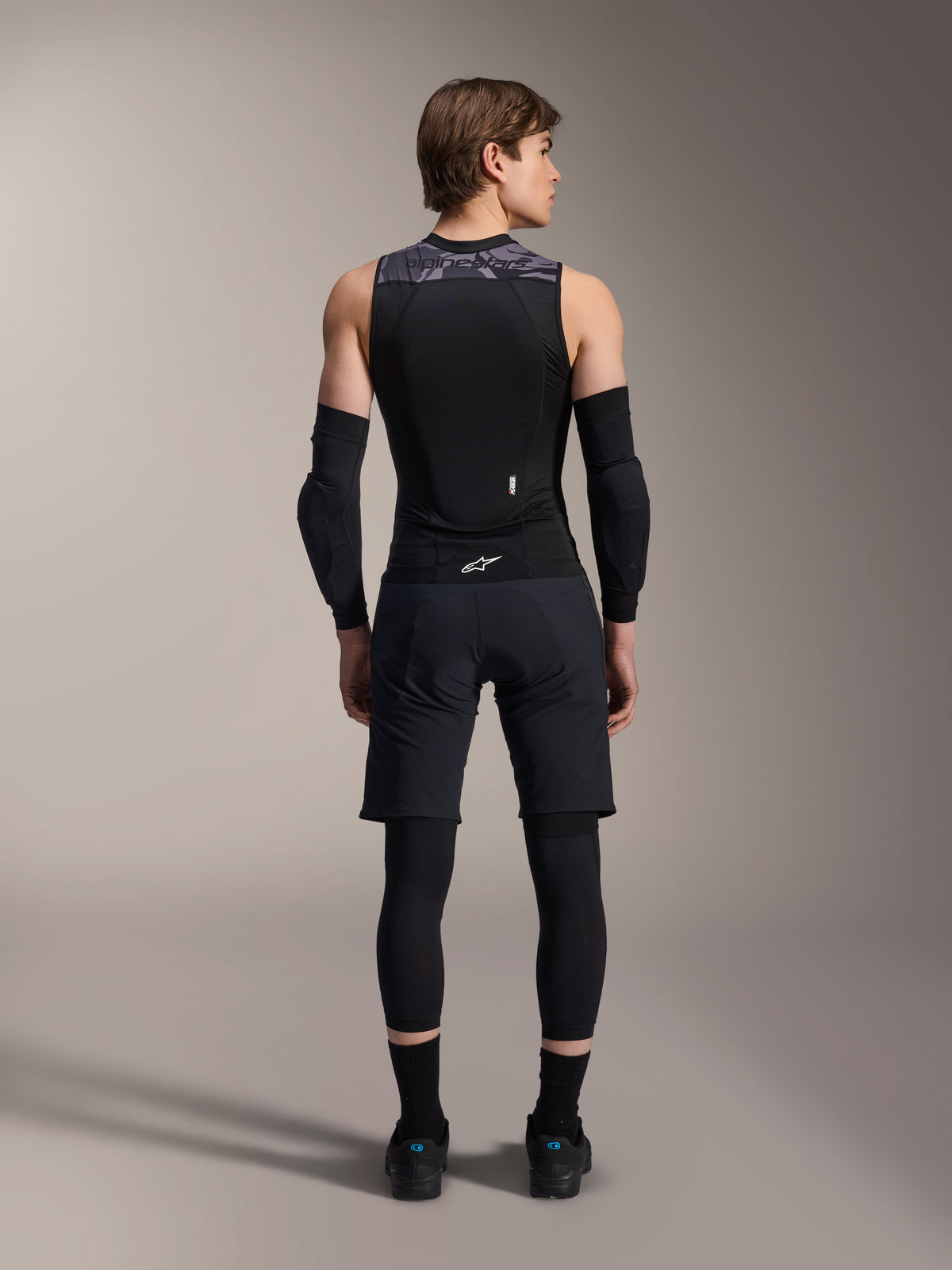
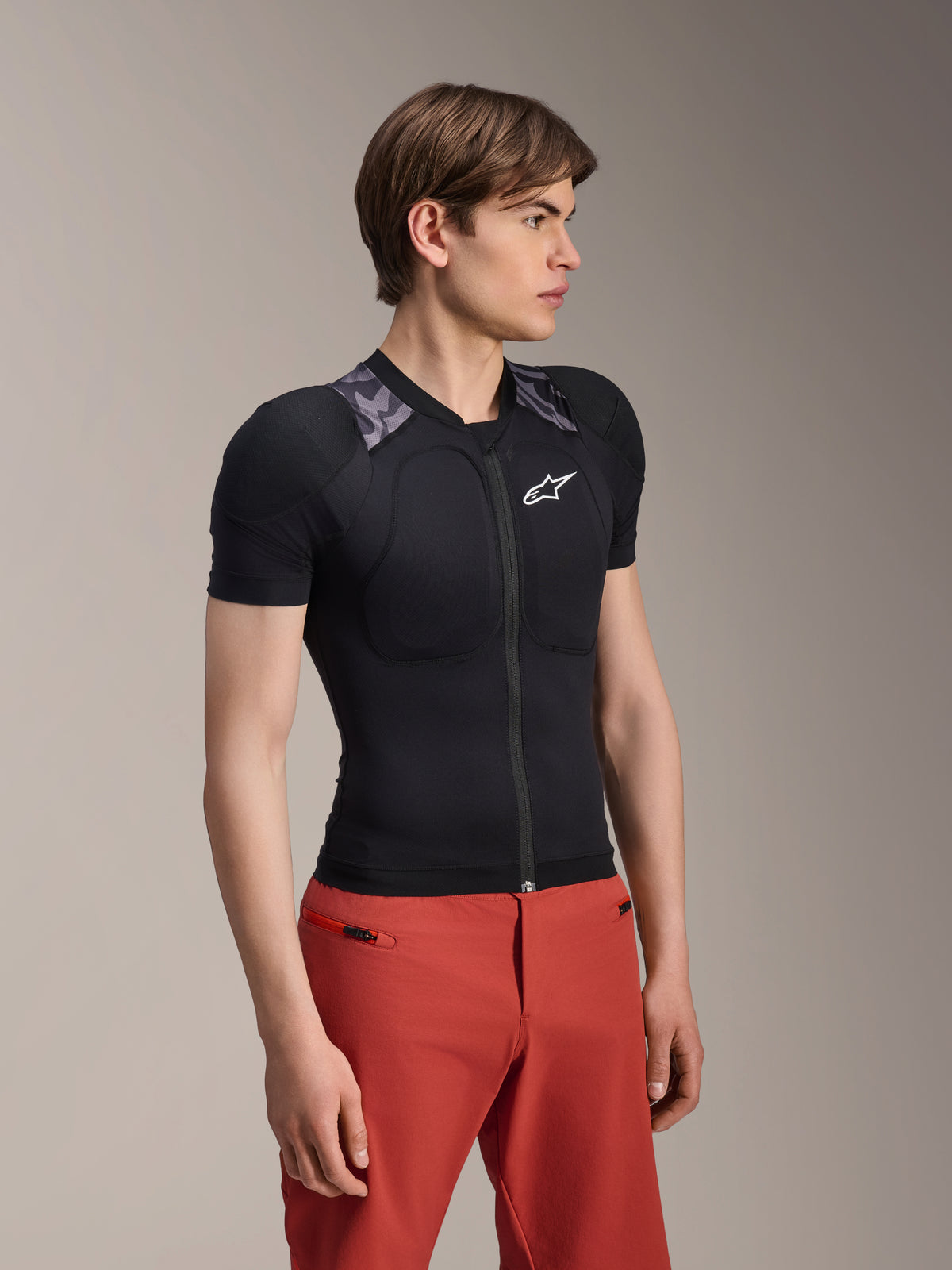
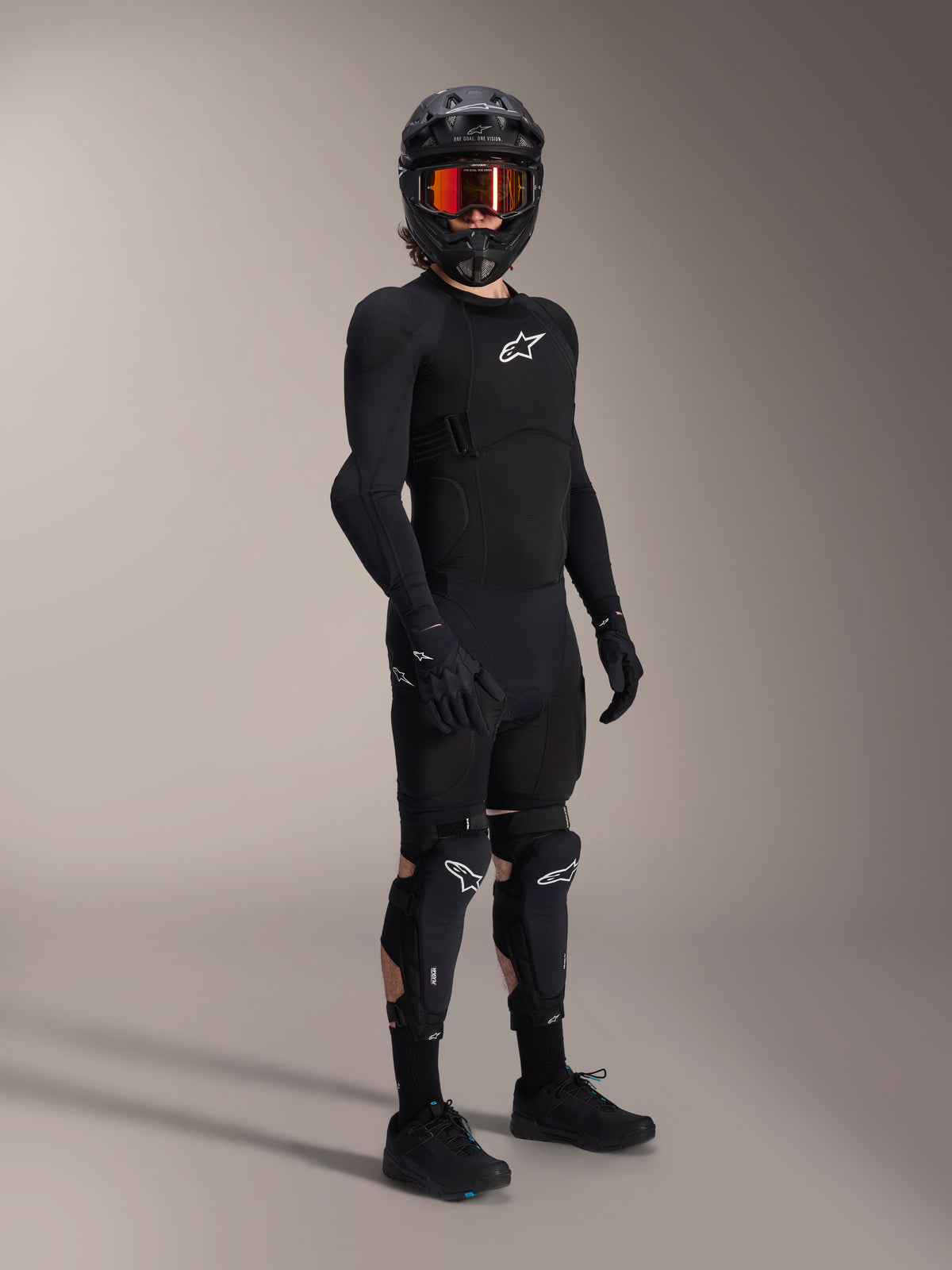
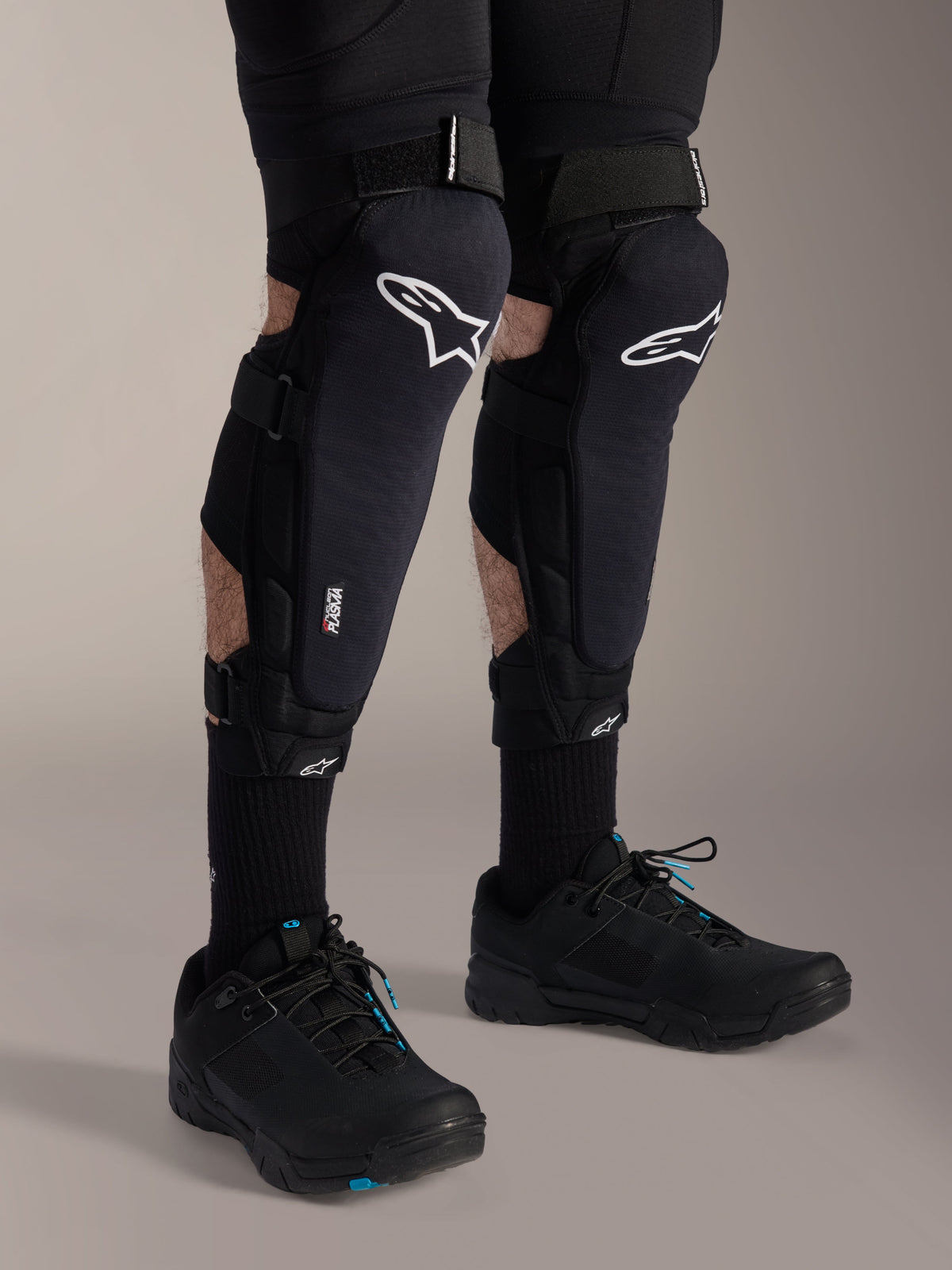
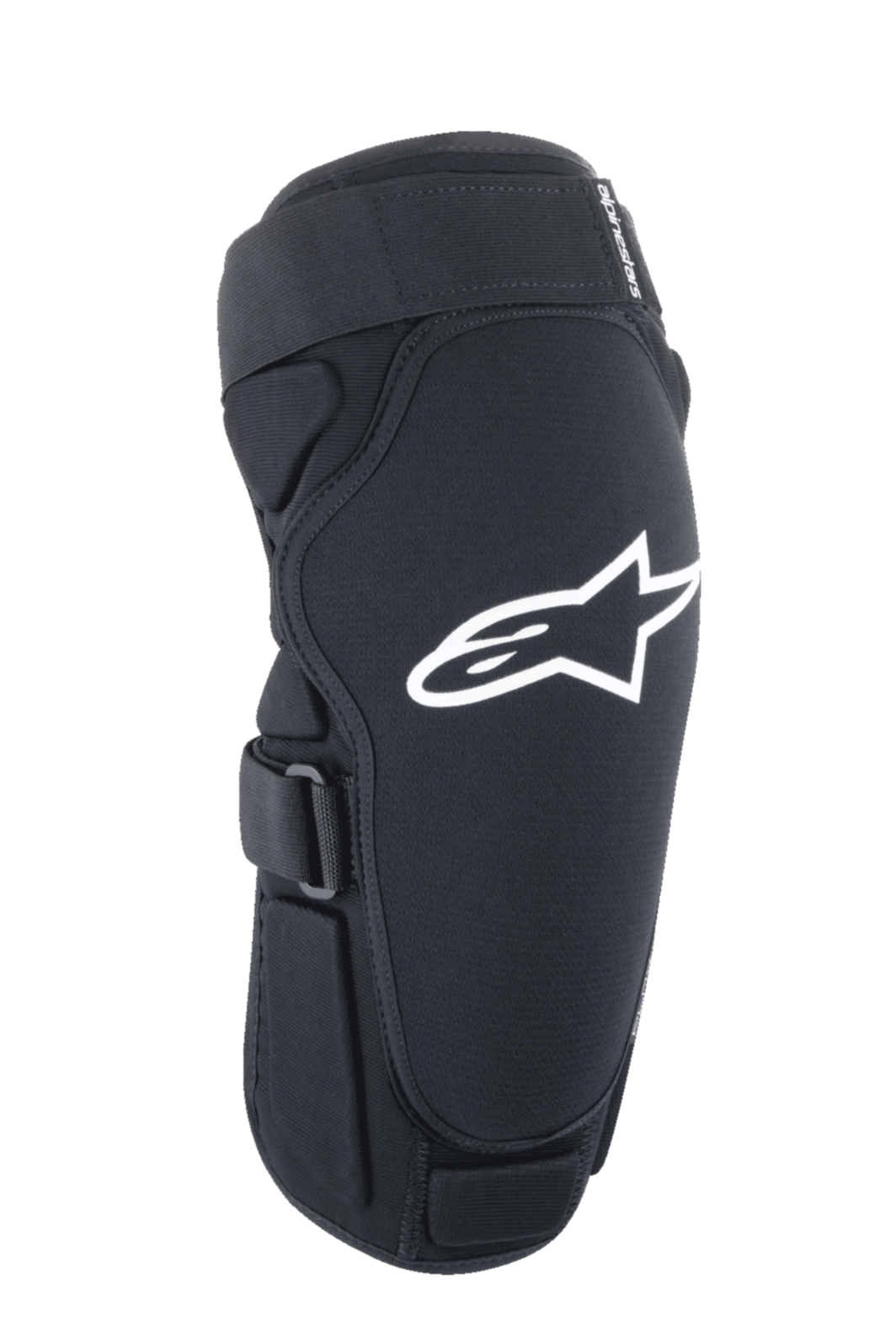
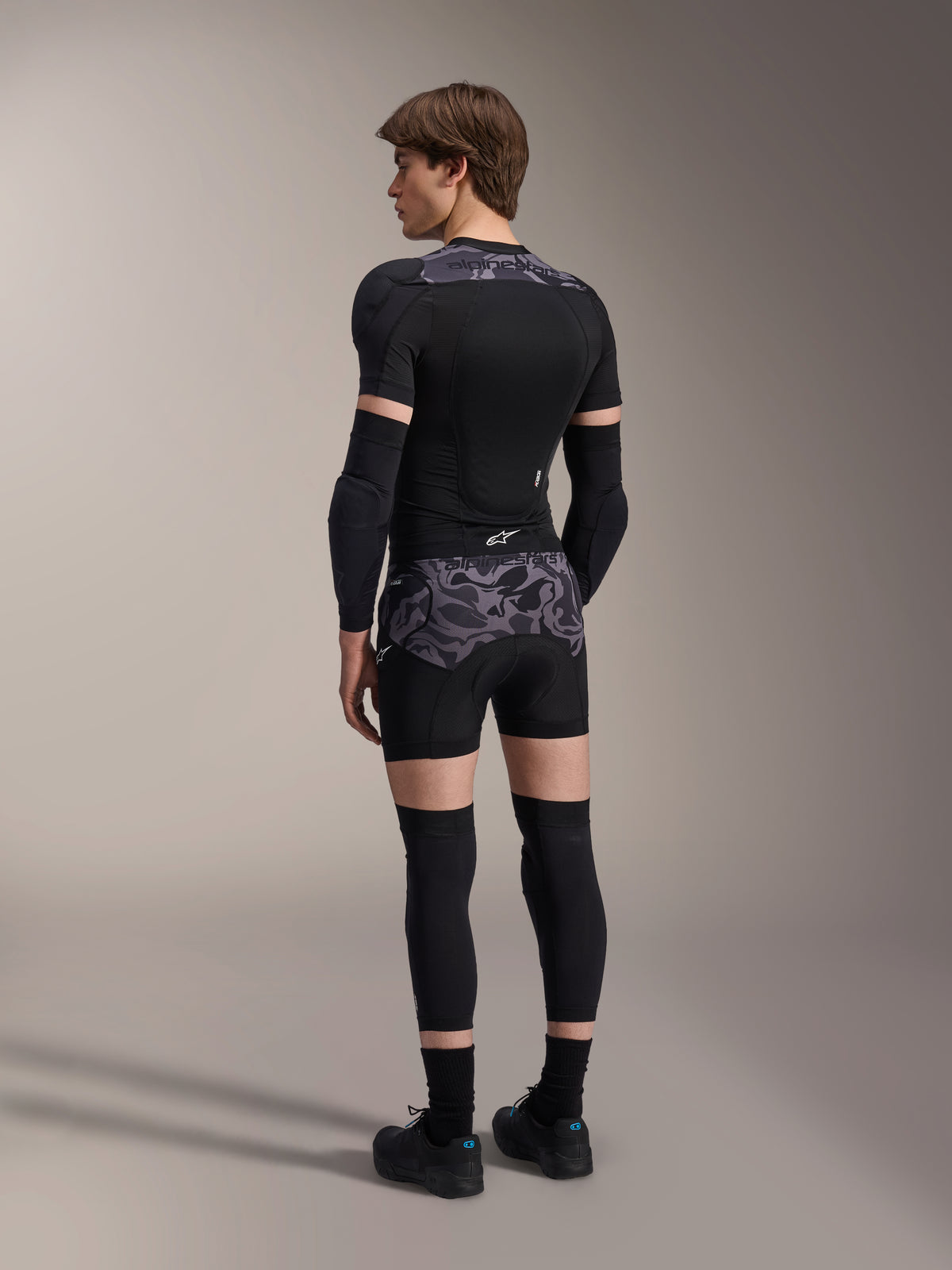
Den här kollektionen omfattar kroppsskydd för mountainbike som är utvecklade för trail-, enduro- och downhillkörning. Här hittar du knäskydd och armbågsskydd, ryggskydd och skyddsvästar, bröstskydd samt vadderade tekniska underställ som prioriterar stötdämpning, andningsförmåga och rörelsefrihet vid trampning.
Alternativen sträcker sig från lågprofilerade dra-på-skydd för långa klättringar till hybrid- och hårdskaldesigner för bike park och gravity-användning. Många delar använder ventilerande mesh, artikulerade paneler och silikongrepp för att sitta säkert på plats medan du cyklar.
Är dessa MTB-skydd CE-certifierade, och vad är skillnaden mellan Level 1 och Level 2?
Många MTB-skydd i den här kategorin använder CE-certifierat stötskydd enligt standarden EN 1621: EN 1621-1 för knän och armbågar, EN 1621-2 för ryggar och EN 1621-3 för bröst. CE Level 1 erbjuder vanligtvis lättare och mer ventilerad vaddering med lägre stötdämpning, medan CE Level 2 ger högre absorption av stötenergi, ofta med tjockare eller tätare material.
Välj Level 1 för heldags trailkörning och maximal tramkomfort, och Level 2 för enduro, bike park eller terräng med högre hastigheter där extra skydd föredras. Kontrollera alltid produktsidan för specifik certifiering och nivå.
Vilka skydd ska jag välja för trail-, enduro- eller downhillkörning?
Anpassa skyddets täckning och stötnivå efter terräng och hastighet. Trailcyklister föredrar generellt lättare, pedalvänliga skydd, endurocyklister väljer ofta hybriddesigner med utökad täckning, medan downhill- och parkcyklister vanligtvis använder de mest robusta skydden.
| Disciplin | Skyddsprofil | Typisk användning |
|---|---|---|
| Trail / All-Mountain | Lågprofil, andningsbar; ofta CE Level 1 | Långa klättringar, varierad singletrack |
| Enduro | Hybrid med mjuka/hårda zoner; CE Level 1–2 | Tidtagna sträckor, tekniska utförskörningar |
| Downhill / Park | Maximal täckning med hårdskalzoner; CE Level 2 | Liftburen åkning, körning i hög fart |
För kompletterande huvudskydd, utforska våra MTB-hjälmar.
Hur ska MTB-knäskydd och armbågsskydd sitta, och hur hittar jag rätt storlek?
Skydden ska sitta tätt så att de håller sig på plats genom trampning och stötar utan att begränsa blodcirkulationen. Mät runt lår och vad (för knän) eller biceps och underarm (för armbågar) på de punkter som anges i varje produkts storleksguide, och välj sedan den storlek som matchar dina mått.
När du provar dem, sitt och trampa för att kontrollera om de glider eller lämnar glapp över leden. Silikongrepp ska ligga mot huden eller ett tunt tekniskt underställ; remmarna ska sitta säkert men inte vara för hårt åtdragna. Om du ligger mellan två storlekar bör du välja utifrån vad du prioriterar: tajtare passform för gravity-användning eller lite mer utrymme för komfort vid långa tramppass.
Hur tvättar och sköter jag MTB-skydd och kroppsskydd?
Efter leriga turer ska du först avlägsna lös smuts och sedan handtvätta eller maskintvätta på skonsamt program med kallt vatten och milt tvättmedel. Stäng kardborreband, lägg produkterna i en tvättpåse vid maskintvätt och ta bort eventuella löstagbara insatser före rengöring. Undvik blekmedel och sköljmedel, eftersom de kan bryta ned tekniska skum och elastiska material.
Låt dem plantorka och håll dem borta från direkt värme eller solljus; torktumla eller stryk dem inte. Kontrollera skydden regelbundet för sprickor, permanent kompression eller trasiga sömmar och byt ut komponenter som visar tecken på skador för att bibehålla skyddsprestandan.